
Your kid wants to play golf, and you want to make the right call. Kids golf lessons come in dozens of formats, price points, and philosophies, and choosing wrong means wasted money and a frustrated child. This guide covers every decision you'll face: the right age to start, how to pick an instructor, what equipment to buy (and skip), and what realistic costs look like in 2026.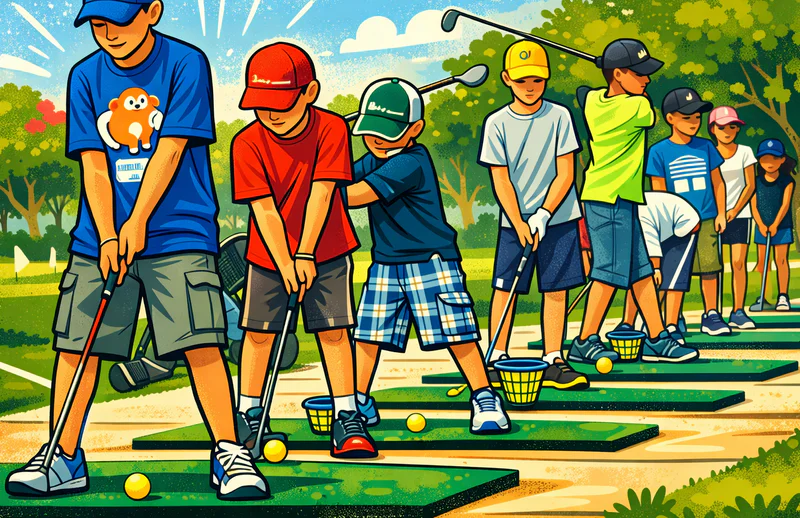
Find a Golf Coach Near You
Ready to get started? Browse local golf coaches and book your first lesson:
Los Angeles · San Francisco · Miami · Houston · San Diego · Austin · Toronto · Dallas · See all cities →
What Are Kids Golf Lessons and Why They Matter
Kids golf lessons are structured instruction designed specifically for players ages 3 through 17. Unlike adult lessons, which focus heavily on swing mechanics and score reduction, junior golf instruction emphasizes motor skill development, basic rules, and (most importantly) fun.
The distinction matters more than most parents realize. A coach who's great with a 45-year-old trying to break 90 may be terrible with a 7-year-old who can't focus for more than 10 minutes. Youth golf lessons require age-appropriate drills, shorter session lengths, and a teaching style built on encouragement rather than correction.
The numbers tell a clear story about youth golf's momentum. According to the National Golf Foundation's 2024 report, 3.4 million juniors (ages 6-17) played golf on a course in 2024, up 15% from pre-pandemic levels. Another 5+ million kids engaged with golf off-course through driving ranges, simulators, and programs like PGA Junior League.
Why golf specifically? Unlike team sports where playing time depends on coaches' decisions, golf gives every child the same opportunity to compete, improve, and track their own progress. That independence builds confidence in a way few other youth sports can match.
Developmental Benefits of Junior Golf Programs
Golf asks kids to coordinate their entire body in a single motion, making it exceptional for physical development. Specific benefits include:
Hand-eye coordination that transfers to academics (handwriting, typing) and other sports
Balance and core strength developed through the rotational swing movement
Fine motor control from grip adjustments, putting touch, and club selection
Focus and patience, since golf requires waiting, planning, and executing one shot at a time
Goal-setting habits, as kids track handicaps, personal bests, and skill milestones
Research from the Aspen Institute's Project Play consistently identifies individual sports like golf as strong contributors to long-term athletic development, particularly for children who struggle in high-pressure team environments.
Social and Character Building Through Golf
Golf is one of the few sports where players call penalties on themselves. That built-in honesty system shapes character in ways that basketball fouls or soccer offsides simply don't.
Kids learn to shake hands before and after rounds, stay quiet while others play, repair divots, and manage frustration without outbursts. These aren't just golf skills. They're life skills that show up in classrooms, job interviews, and relationships for decades.
Best Age to Start Golf Lessons for Kids
The most common question parents ask: "What age can my kid start golf?" The honest answer is that it depends on the child, not the calendar. But here's a practical breakdown by age group.
Toddler Golf Programs (Ages 3-5)
At this age, "golf lessons" really means "playing with golf-shaped toys on grass." And that's exactly right. Programs like PGA Junior Golf use foam balls, plastic clubs, and target games to build interest without overwhelming small bodies or short attention spans.
Don't expect a proper swing from a 4-year-old. Expect laughter, movement, and a positive association with the sport. That foundation matters more than any mechanical skill at this stage.
Elementary Age Golf Instruction (Ages 6-9)
This is the sweet spot. Kids ages 6-9 typically have enough coordination to learn a real grip, stance, and basic swing. They can understand simple rules, count their own strokes, and start playing short holes.
Group golf lessons for children work particularly well here because kids feed off each other's energy. A good instructor at this level uses games (closest to the pin, target challenges, putting contests) to teach mechanics without kids realizing they're "learning."
If you're wondering how to find the right golf coach for this age, prioritize personality over credentials. Your child needs someone patient and enthusiastic first, technically skilled second.
Pre-Teen and Teen Golf Development (Ages 10-17)
This is where junior golf lessons get serious for kids who want them to. Players in this bracket can handle full-length instruction, course management concepts, and competitive pressure.
The stakes rise too. According to the NCAA, there are roughly 2,000 men's and women's college golf scholarships available annually. Kids who start focused training by age 12-13 and play competitive junior tournaments have a legitimate path to college golf.
But not every teen golfer wants a scholarship. Many just want to play well enough to enjoy rounds with friends and family. A good instructor meets the kid where they are, not where the parent wishes they were.
Types of Kids Golf Lessons and Programs
Choosing the right format depends on your child's age, personality, goals, and your budget. Here's what each option actually delivers.
Private One-on-One Golf Instruction
Private lessons offer the fastest skill development because every minute focuses on your child. The instructor can spot and correct habits in real time, adjust difficulty on the fly, and build a progression plan unique to your kid's strengths.
The tradeoff is cost ($40-$100 per session in most markets) and the absence of peer interaction. For shy kids, one-on-one can feel intense. For focused kids who already have golf friends, it's ideal.
One-on-one coaching across sports consistently produces faster improvement than group settings, especially when correcting specific mechanical issues.
Group Golf Lessons for Children
Group lessons (typically 4-8 kids) cost $15-$40 per child per session and add a social element that keeps younger kids engaged. They also introduce a healthy dose of friendly competition.
The downside: less individual attention means bad habits can slip through unnoticed. The best approach for most families is to start with group classes for exposure, then add occasional private sessions once the child commits to improving.
Golf Summer Camps and Intensive Programs
Youth golf camps compress weeks of learning into 3-5 day programs. Day camps run $50-$150 per day. Overnight camps at dedicated golf academies can cost $500-$2,000+ per week.
Camps work best for kids ages 8 and up who already enjoy golf and want immersion. They combine instruction with on-course play, games, and social time. Many kids who attend a golf camp come home significantly more enthusiastic about the sport.
Indoor vs Outdoor Golf Lessons
Indoor facilities with simulators and launch monitors offer year-round consistency and instant data feedback (ball speed, launch angle, spin rate). For families in cold-weather states, indoor lessons keep progress moving through winter when outdoor courses shut down.
Outdoor lessons teach kids to read real conditions: wind, slopes, different lies, and actual distances. The ideal setup uses both: indoor for technical work, outdoor for on-course application.
How to Choose the Right Golf Instructor for Your Child
The wrong instructor can turn a curious kid off golf permanently. The right one can spark a lifelong passion. Here's what to evaluate.
Professional Qualifications and Certifications
Not all golf instructors hold the same credentials. Understanding the differences between PGA and non-PGA coaches helps you assess what you're paying for.
Key certifications to look for in a junior golf instructor:
PGA of America membership (requires playing ability tests, coursework, and apprenticeship)
US Kids Golf certified (specific training for teaching children ages 3-12)
TPI (Titleist Performance Institute) Junior Level (focuses on age-appropriate physical development)
SafeSport certification (abuse prevention training, increasingly standard)
A non-PGA instructor with 10 years of teaching kids can absolutely outperform a newly certified PGA pro who's only taught adults. Credentials indicate baseline competence, but experience with children specifically is what matters most.
Teaching Philosophy and Communication Style
Ask these questions before committing:
"How do you keep a 7-year-old engaged for 30 minutes?" A good answer involves games, variety, and movement. A bad answer focuses on drills and repetition.
"What does success look like after 10 lessons?" Look for realistic answers ("they'll have a consistent grip and enjoy being on the course") versus empty promises ("they'll be tournament-ready").
"Can I watch a lesson?" Any instructor who says no is waving a red flag.
The 3-lesson test: Book three sessions before purchasing a package. If your child doesn't ask about golf between lessons, the instructor probably isn't the right fit.
Essential Equipment for Kids Golf Lessons
Resist the urge to buy a full set before your child takes a single lesson. Most instructors provide clubs for early sessions, and many programs include loaner equipment.
Junior Golf Club Sets by Age Group
Brands like US Kids Golf and Callaway's junior lines offer properly fitted clubs at reasonable prices. Avoid cutting down adult clubs. The weight distribution is wrong, and it teaches bad habits.
Additional Golf Equipment and Accessories
Start minimal. Your child needs:
Golf balls: Use low-compression balls (Callaway Supersoft, Wilson DUO Soft) that travel shorter distances and feel better on contact
Golf shoes: Any athletic shoe with good traction works until age 10+, when proper golf shoes become worthwhile
A glove: One glove for the lead hand, sized for kids. Replace when it wears through the palm
Sun protection: Hat, sunscreen, and sunglasses. Non-negotiable for outdoor lessons
Skip the expensive rangefinder, the custom bag, and the matching outfit. Those are parent purchases, not kid necessities.
Cost of Kids Golf Lessons: Complete Pricing Guide
Let's talk real numbers. Golf lesson pricing in 2026 varies significantly based on lesson type, instructor experience, and location.
Average Costs by Lesson Format
Prices skew higher in metro areas (New York, San Francisco, Miami) and lower in suburban or rural markets.
Hidden Costs and Budget Planning
The lesson itself is rarely the full expense. Plan for:
Range balls: $5-$15 per practice session, 2-3 times per week for serious juniors
Course fees: $10-$25 for junior rounds at public courses
Tournament entry: $30-$75 per event for junior competitive players
Equipment upgrades: Every 2-3 years as kids grow, plan $150-$300 per upgrade cycle
Travel: Gas, food, and occasional hotels for away tournaments
A realistic annual budget for a casual junior golfer (weekly group lessons, occasional course play): $1,000-$2,000. For a competitive junior (private coaching, tournaments, travel): $3,000-$8,000+.
Finding Kids Golf Lessons Near You
Searching "kids golf lessons near me" returns a flood of options. Here's how to filter them.
Public Golf Courses vs Private Clubs
For most families starting out, public course programs or independent instructors offer the best value. Platforms like TeachMe.To make it easy to search local instructors by sport, location, and specialization, so you can find youth-focused coaches without cold-calling every course in your area.
Specialized Youth Golf Academies
Dedicated junior golf academies (like TPC Junior Programs, PGA Junior League facilities, and regional academies) offer the most structured development path. They typically combine instruction, practice time, on-course play, and competitive preparation into semester or year-long programs.
These work best for kids ages 10+ who've already decided golf is "their sport" and want to pursue it seriously.
Getting Started: First Lesson Preparation
The first golf lesson sets the tone for everything that follows. A little preparation goes a long way.
Pack water, sunscreen, and a snack. Dress your child in comfortable athletic clothing and closed-toe shoes. Arrive 10 minutes early so they can see the facility without feeling rushed.
Setting Realistic Expectations
Here's what a typical first lesson looks like for different ages:
Ages 3-5: 20 minutes of putting games, rolling balls toward targets, holding a club correctly. Success = smiling at the end.
Ages 6-9: 30-45 minutes covering grip, stance, and making contact with the ball. Success = hitting a few solid shots and wanting to come back.
Ages 10+: 45-60 minutes of swing assessment, basic instruction, and hitting balls. Success = understanding 2-3 things to work on.
Tell your child beforehand: "Golf is hard for everyone at first. We're going to have fun trying." That single sentence removes more pressure than any pep talk.
A note for parents: Stay close enough to observe but far enough that your child interacts with the instructor, not you. Resist coaching from the sideline. You hired a professional for a reason.
Golf gives kids something rare: a sport they can play at age 5 and still love at age 85. The right kids golf lessons, matched to your child's age and personality, build skills that go far beyond the course. Whether your child becomes a competitive junior golfer or simply someone who enjoys a weekend round, the investment in quality instruction pays off for decades. Browse local junior golf instructors on TeachMe.To and book a first lesson this week.