I spent two months searching for a tennis coach last year, calling local clubs and scrolling through websites that promised "certified professionals" without explaining what that actually meant. The breakthrough came when I realized I was asking the wrong questions, I needed to understand certifications first, then figure out where qualified coaches actually hang out.
Finding a qualified tennis coach requires understanding what certifications matter, how to vet credentials, and where to look beyond the obvious Google search. Multiple pathways exist: online platforms that pre-screen instructors, local clubs with established programs, community centers with affordable options, and word-of-mouth networks that reveal hidden gems.
This guide covers the certification types that separate serious coaches from weekend warriors, the real cost factors beyond hourly rates, where to search efficiently, and the evaluation criteria that predict whether you'll click with an instructor.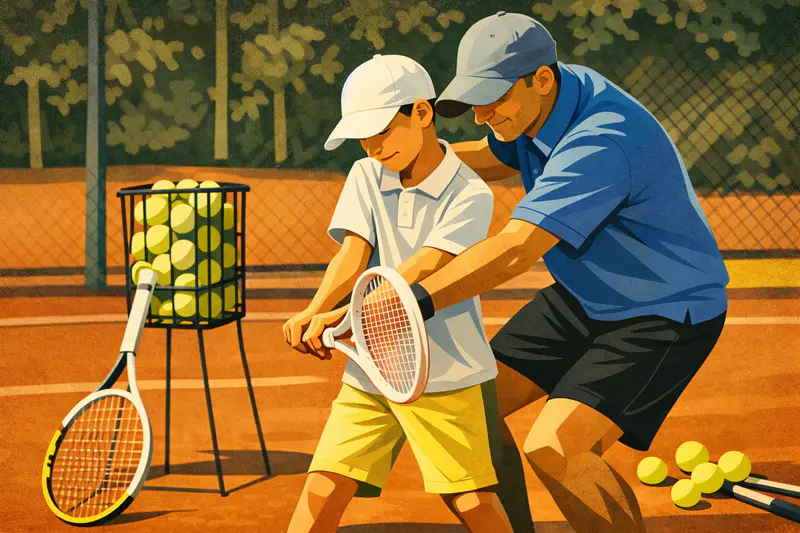
Understanding Tennis Coach Certifications
Major Certification Bodies (USPTA vs PTR)
The two primary organizations certifying tennis coaches in the U.S. are USPTA (now RSPA) and PTR, each with distinct philosophies about what makes great instruction. PTR has built a network of over 16,000 members across 125 countries, earning trust from clubs, schools, and recreational centers nationwide. The USTA awarded PTR full accreditation for certifying U.S. teaching professionals, validating their standards at the highest level.
USPTA focuses on professional development and business skills, preparing coaches to run sustainable teaching practices. PTR emphasizes player development and inclusive coaching methods, training instructors to adapt techniques for different learning styles. USPTA certifies coaches to teach all skill levels and age groups, while PTR certifies for specific age or skill levels, allowing deeper specialization.
Certification Levels and What They Mean
USPTA offers three progressive levels: Professional, Elite Professional, and Master Professional. Elite Professional requires candidates to be at least 22 years old and hold prior Professional certification, ensuring maturity and foundational experience. Master Professional demands 10+ years at Elite level plus 80 hours in specialty courses, representing the pinnacle of coaching expertise.
USPTA requires six education credits every three years for maintenance, keeping coaches current with evolving techniques and sports science. This continuing education requirement separates active professionals from those coasting on outdated knowledge.
Safe Play Requirements and Background Checks
All USTA coaches must complete Safe Play, which includes background screening, policy acknowledgment, and SafeSport training. Safe Play compliance is mandatory for certified coach status by accrediting organizations, protecting players from potential harm. Basic certification requirements include minimum age 18, demonstrated playing proficiency, and passing a comprehensive background check.
Where to Find Tennis Coaches
Online Booking Platforms (TeachMe.To, PlayYourCourt)
TeachMe.To connects students with verified coaches through a platform offering transparent pricing and flexible scheduling that eliminates the back-and-forth of traditional booking. The platform delivered 61,312 lessons in 2024 with a TrustScore of 4.8 across 601 Trustpilot reviews, demonstrating consistent quality across thousands of student-coach matches. TeachMe.To pre-vets instructors for certifications and teaching experience, then surfaces detailed profiles showing specializations, availability, and student feedback that reveal coaching styles before you commit to a lesson pack.
The platform's booking system lets you filter by location, skill level, and lesson type (private or group), then book directly without phone tag or email chains. Students can read reviews from players at similar skill levels, giving insight into whether a coach excels with nervous beginners or pushes intermediate players past plateaus. TeachMe.To handles payment processing and scheduling changes through the platform, reducing administrative friction that often derails consistent lesson attendance.
PlayYourCourt matches certified instructors based on fit, with coaches traveling to any court location you choose. Members contact coaches within 24 hours for scheduling, streamlining the initial connection process.
Local Tennis Clubs and Facilities
Local clubs pre-vet instructors, offering a reliable starting point for finding coaches who meet facility standards. The USTA website allows facility searches and includes a Safe Play coach directory for verifying credentials. Many clubs offer junior programs tailored for young players, with coaches specializing in age-appropriate instruction methods.
Community Centers and Parks
Community centers and local parks often run tennis programs with certified instructors at lower price points than private clubs. The USTA website search includes community facility options, expanding your search beyond premium venues.
Word-of-Mouth and Social Recommendations
Friend recommendations provide insights on coach strengths, weaknesses, and actual fees that websites don't always reveal. Social media groups and forums prove useful for recommendations when you lack tennis connections in your area. Internet searches combined with reviews effectively surface local coaches, though verifying credentials remains essential.
How Much Do Tennis Lessons Cost?
National Average Pricing
The national average ranges from $62-$204 per hour, with most paying around $113. Typical pricing falls between $60-$150 per hour depending on location and instructor credentials. Nationwide, private coaches charge $25-$90 per hour with a $45 average, though these lower rates often indicate uncertified instructors. Beginner lessons start at $60, while advanced training commanding $100+ reflects the specialized expertise required for competitive play.
Factors That Affect Lesson Costs
Cost factors include instructor experience, geographic location, and lesson frequency, with each variable significantly impacting final pricing. USPTA or PTR certified instructors charge more than uncertified coaches, reflecting their investment in training and ongoing education. Private instruction represents the most expensive option because students receive exclusive instructor time and customized feedback. Major cities like NYC, LA, and Chicago cost substantially more than smaller towns due to higher operating costs and demand.
Private vs Group Lesson Pricing
Group lessons with friends or family reduce per-person costs, making tennis more accessible for budget-conscious players. Group formats prove economical but offer less individual attention, typically resulting in slower skill progression. Lesson packages cost $200-$500 for five 1-hour sessions, providing modest savings over single-lesson pricing.
Travel fees add approximately $15-20 when instructors come to your preferred court location. Private club court reservations may require additional $10-$20 per session on top of lesson fees.
What to Look for in a Tennis Coach
Certifications and Credentials
Ask about USPTA or PTR certifications, which indicate rigorous training and adherence to industry standards. A good coach sets the tone for your tennis journey by teaching proper techniques early, preventing bad habits that become harder to fix later. Certification builds credibility and trust while providing coaches access to better job opportunities and professional networks.
Teaching Style and Communication
Evaluate communication skills and personal compatibility during initial conversations or trial lessons. Coaching style preferences vary widely: some players thrive with enthusiastic encouragement, while others prefer demanding, disciplined instruction. Your comfort level with a coach determines long-term success more than their resume, since awkward dynamics undermine even expert technical guidance.
Quality coaches demonstrate enthusiasm, deep technique knowledge, and genuine passion for tennis that makes lessons engaging rather than mechanical.
Experience with Your Skill Level
Consider whether coaches specialize in specific age groups or skill levels matching your needs. Advanced players need highly qualified coaches with proven track records developing top-level competitors. Beginners benefit from patient coaches with strong fundamentals knowledge and the ability to make learning fun rather than intimidating.
Availability and Location
Weigh proximity versus experience: a neighborhood coach offers convenience, while a distant expert might justify the commute. Find instructors offering lessons that match your schedule availability, since inconsistent timing derails progress. Assess coach responsiveness when inquiring about experience and availability, as slow communicators often prove frustrating for scheduling changes.
Questions to Ask Before Hiring a Coach
About Their Experience and Qualifications
Ask about coaching experience and the types of players they've coached, from beginners to competitive juniors. Inquire about USPTA, PTR, or other organization certifications, requesting specific credential levels. Ask how they stay current with tennis developments, since the sport's technical understanding evolves with biomechanics research and equipment changes.
About Their Coaching Philosophy
Request a description of their coaching style and philosophy to assess alignment with your learning preferences. Ask how they handle different ages and skill levels in group settings if you're considering that format. Inquire about technology and data analysis integration in their coaching, which separates modern instructors from those relying solely on traditional methods.
About Logistics and Pricing
Discuss schedule availability and whether it aligns with your needs before committing to packages. Ask about pricing structures, package deals, and cancellation policies to avoid surprises. Inquire about their responsiveness and rescheduling ease, since life inevitably conflicts with standing lesson times.
Understanding Tennis Skill Level Ratings
What is NTRP?
NTRP provides a numerical tennis ability indicator from 1.5 (beginner) through 7.0 (touring pro) in 0.5 increments. This official system determines USTA League Program competition levels, ensuring fair matches. The system helps classify skill levels for compatible matches, appropriate group lessons, league play, and tournament brackets, though it's used exclusively in the U.S.
NTRP Rating Levels Explained
A 1.5 player has limited experience and is still working on getting the ball into play consistently, not yet competition-ready. A 3.0 player achieves consistency with medium-paced shots but lacks execution for directional control, depth, and pace variation. A 6.0 player has undergone intensive training, competed in international tournaments or top collegiate competitions, and typically holds a national ranking.
Levels 6.5 and 7.0 represent world-class players competing professionally.
How to Determine Your NTRP Level
Visit the TennisLink League Homepage and click the Self Rate button to complete a questionnaire assessing your abilities. When uncertain between levels, place yourself in the higher category to ensure competitive matches. Ratings help find matching partners and select appropriate equipment, since manufacturers design racquets for specific NTRP levels. TennisLink is the only valid NTRP Rating source, so disregard other websites claiming to provide ratings.
What to Expect as a Beginner
Your First Tennis Lesson
Your first lesson covers court layout, simple strokes, and hand-eye coordination drills that build foundational skills. Arrive 10-15 minutes early for court familiarization and a quick warm-up that prepares your body for movement. Expect limited ball-hitting but a solid foundation that sets you up for success in subsequent lessons.
Focus on the split-step during your first lesson, as this fundamental movement pattern underlies every stroke you'll develop.
Essential Skills Beginners Learn
Proper grip, stance, and basic stroke production form the foundation all future skills build upon. Supportive environments where players feel encouraged and motivated prove essential for maintaining enthusiasm through the learning curve. Bring a racquet (borrowing is available), athletic clothing, tennis shoes for ankle support, water, and a towel.
Consider a hat for sun protection and weather-specific clothes like a sweatshirt or leggings for cooler conditions.
Timeline for Improvement
After a few lessons, serving, scoring, and baseline rallying become achievable for most students. Playing three times per week develops an adult's tennis game quickly, accelerating skill acquisition through repetition. Age proves irrelevant for recreational tennis since you can start at any point and play into old age.
Most beginners starting tennis are around age 40, though adults ranging from 25 to 83 have successfully taken up the sport.
Vetting Coach Credentials
Verifying Certifications Online
Verify coaches on the USTA website via the Safe Play approved coach search, confirming their credentials are current. PTR certified credentials earn trust from clubs, schools, players, and recreation centers nationwide, providing third-party validation.
Insurance and Liability Coverage
Coaching certification includes insurance and liability plans with annual dues, protecting both coaches and students. USPTA and PTR offer approximately $6 million coverage for on-court practice injuries, providing financial protection against accidents. USTA Coaching offers $1M/$3M Commercial General Liability, $1M Professional Liability, and $1M Player Liability, creating comprehensive protection.
Frequently Asked Questions
Do I need a certified coach or can I learn on my own?
Wall practice is possible for drilling, but a certified coach teaches proper basics, scoring rules, and helps determine if tennis fits your interests. Good coaches set your journey's tone by teaching correct techniques early, helping you avoid bad habits that become ingrained. Certification isn't legally required for private lessons but is expected for facility employment, so independent coaches may lack formal credentials.
Should I take private or group lessons?
Private lessons offer personalized attention and tailored coaching that addresses your specific weaknesses. Group lessons cost less but provide limited individual attention, typically resulting in slower progress. Group formats create community and motivation as you learn alongside peers facing similar challenges. The right choice depends on your skill level, learning preferences, and budget constraints.
What's the difference between USPTA and PTR certification?
USPTA focuses on professional development and business skills, while PTR emphasizes player development and inclusive methods. USPTA certifies coaches for all skill and age levels, while PTR certifies for specific age or skill levels. Both organizations are nationally recognized and help members develop as tennis coaching professionals. Both offer online and in-person courses plus access to professional networks and continuing education.
Can I find a coach in smaller areas?
TeachMe.To and PlayYourCourt connect students with coaches across various locations, including smaller markets without major tennis facilities. PlayYourCourt allows finding coaches even when traveling, expanding access beyond local clubs. The USTA website search finds facilities and Safe Play coaches locally, covering most geographic areas. Community centers and local parks often run certified instructor programs, providing options beyond private clubs.
Find a Tennis Coach Near You
Ready to get started? Browse local tennis coaches and book your first lesson:
Los Angeles · New York · San Francisco · Houston · Seattle · Toronto · Boston · Dallas · See all cities →
Conclusion
Multiple pathways exist for finding certified coaches: online platforms like TeachMe.To that streamline vetting and booking, local clubs with established programs, and community centers offering affordable options. Each approach offers distinct advantages depending on your priorities around convenience, cost, and coaching specialization.
Verify certifications through official channels, evaluate teaching style during trial lessons, confirm availability and pricing structures, and assess personal compatibility before committing to lesson packages. The right coach combines proper credentials with a teaching approach that matches your learning style and goals, whether you're a nervous beginner or an intermediate player pushing past a plateau.