Your 10-year-old wants to play football. You search "youth football camps near me" and get 47 results ranging from $200 weekend clinics to $3,000 elite academies. One promises "NFL-caliber coaching." Another guarantees "character development." A third just has a grainy photo of kids in oversized helmets.
Choosing the right football training for your child shouldn't feel like a gamble. The decision hinges on understanding what you're actually buying, who's teaching, and whether the program matches your child's age, ability, and goals.
Understanding Your Options: Camps vs. Academies vs. Private Instruction
What is a Youth Football Camp?
Football camps are short-term programs running anywhere from a single day to several weeks, typically during summer or school breaks. They focus on fundamental skill development through intensive daily sessions lasting 3-4 hours, with players grouped by age and ability. These programs work well for seasonal training bursts or trying football without a long-term commitment.
What is a Football Academy?
Football academies provide structured, year-round player development with regular weekly sessions and competitive play opportunities. Most academies run 2-3 sessions per week with weekend matches against other academy teams, covering technical skills, tactical understanding, physical fitness, and mental preparation through a comprehensive curriculum. The commitment level is significantly higher than camps, demanding several hours of practice weekly plus additional fitness work.
Private Football Lessons and Instructors
One-on-one training delivers personalized attention for specific skill gaps that team practices rarely address. Platforms like TeachMe.To connect families with verified local coaches who offer flexible scheduling and customized instruction tailored to your child's position and development needs. Private lessons excel when your child needs targeted work on quarterback mechanics, receiver routes, or defensive positioning that gets lost in group settings.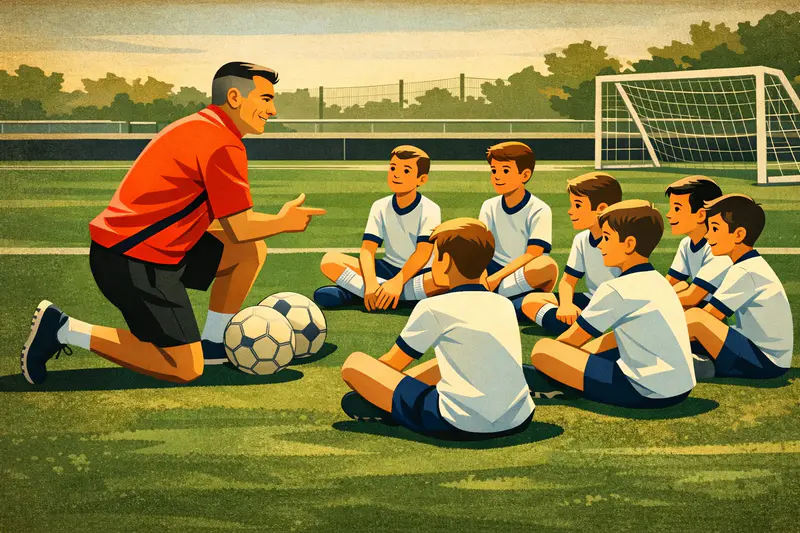
Evaluating Coach Qualifications and Experience
Essential Coaching Certifications to Look For
USA Football certification represents the baseline standard for youth coaches, covering both tackle and flag football instruction through safer, more inclusive training pathways. CPR and first aid certification should be non-negotiable requirements, as many states mandate this training for youth sports coaches. SafeSport training, which covers abuse prevention and reporting protocols, has become mandatory under federal law for youth sports organizations.
Playing and Coaching Background That Matters
Professional and college playing experience provides technical expertise, but youth development training matters equally for age-appropriate instruction. A former NFL player might understand advanced route concepts, but if they can't break down footwork for an 8-year-old or keep practice engaging, that pedigree loses value. Look for coaches who combine playing credentials with demonstrated experience teaching young athletes.
Questions to Ask About a Coach's Philosophy
Ask directly whether the coach prioritizes development over winning at youth levels. At younger ages, the final score shouldn't matter, though expectations shift as players reach high school and beyond. Find out how they make training enjoyable, because studies show young athletes play sports to have fun, be with friends, learn new skills, and be active in that order.
Assessing Program Structure and Curriculum
Age-Appropriate Training Methods
The USA Football Development Model establishes age-based progression that helps coaches teach athletes based on their developmental stage. Between ages 6-9, focus on agility, balance, and coordination through varied movements rather than complex plays. Ages 9-11 can handle basic fitness and conditioning exercises, while teenage players develop tactical understanding and position-specific skills.
Skill Development vs. Competitive Focus
Technique-focused programs benefit younger players more than win-oriented teams. Learning proper technique has immediate and lasting benefits for consistent game performance, while tactics change based on opponent and situation. If a program for 9-year-olds talks constantly about rankings and tournament wins rather than footwork and fundamentals, that's a mismatch.
Training Frequency and Session Duration
Consider your family's schedule realistically before committing. Academies typically require 2-3 weekly sessions plus weekend games, while camps offer concentrated daily training during specific weeks. Limiting sessions to 2-3 per week helps prevent burnout and allows time for recovery, schoolwork, and other activities.
Safety Standards and Protocols
Required Safety Certifications and Background Checks
The Safe Sport Act requires youth organizations to establish reporting systems, provide annual abuse prevention training for all adults, offer awareness training for minors, and run background checks on applicable adults. Any program that can't clearly explain their compliance with these requirements should raise immediate concerns.
Emergency Preparedness and Medical Support
Verify that programs maintain emergency action plans with clear protocols for medical emergencies, severe weather, and unexpected situations. At least one staff member should be present at all practices and games who knows CPR and can identify heat illness and sudden cardiac arrest. Concussion protocols should be documented and explained to parents before the first session.
Equipment and Facility Safety
Faulty or worn-out equipment poses serious risks, so programs should conduct regular inspections with documented findings. Check that playing surfaces are properly maintained, protective gear fits correctly, and facilities meet basic safety standards. These aren't exciting details, but they matter more than any coach's resume when your child takes a hard hit.
Cost Considerations and Value
Typical Pricing for Camps and Academies
Private football lessons range from $40-100 per hour across most of the United States, with urban areas averaging $75-100 and smaller communities around $40-65. Coaches with professional or college experience charge premium rates as high as $120-200 per hour. Group training reduces individual costs to $30-60 per athlete by spreading the coach's time across multiple players.
What You're Paying For: Breaking Down Program Costs
Camp and academy fees cover coaching expertise, facility access, equipment, liability insurance, and curriculum development. Football academies vary in cost depending on reputation and location, with elite programs charging significantly more for access to better facilities and more experienced staff. Understanding these cost components helps you evaluate whether a program's pricing reflects genuine value or inflated marketing.
How TeachMe.To Offers Flexible, Affordable Alternatives
TeachMe.To backs every booking with a 100% satisfaction guarantee, allowing families to assess coach compatibility before committing financially. The platform sells lesson packs with multi-lesson discounts through verified local instructors, with multi-lesson packages typically saving 10-15% compared to booking individual sessions. You can browse instructor profiles, read reviews from other parents, and schedule sessions that fit your calendar rather than conforming to fixed camp dates.

Location, Scheduling, and Accessibility
Finding Programs Near You
Start your search with local community centers, school facilities, and online directories before considering distant specialty programs. The convenience of a 15-minute drive versus an hour-long commute compounds over weeks and months of training. Maximum recommended travel time is 1 hour for ages 9-11 and 1.5 hours for ages 12-16, balancing access to quality instruction against family logistics.
Balancing Training with School and Family Life
Football training should enhance your child's life without consuming it. Two to three weekly sessions provide meaningful development while preserving time for homework, family dinners, and other interests. Watch for signs that the schedule has become unsustainable: declining grades, constant fatigue, or resentment toward practice.
Red Flags and Warning Signs
Signs of Poor Program Quality
The clearest indicator of a poor youth sports organization is absence of genuine commitment to player development, prioritizing winning over skill enhancement. If all you hear is wins, rankings, and exposure rather than developmental milestones, that's a red flag. Lack of clear curriculum, inadequate safety emphasis, or fostering unhealthy competitive pressure that leaves young athletes feeling overwhelmed and anxious should prompt you to look elsewhere.
Coach Behavior Concerns
Any coach who uses demeaning communication, shame, or guilt with children crosses a line that no amount of football knowledge justifies. Watch for favoritism toward the parent-coach's own child, which manifests as significantly more practice time and attention devoted to one player. Resistance to parent questions or lack of communication about your child's progress suggests a coach who views feedback as interference rather than partnership.
When Your Child's Response Tells You Something's Wrong
The most obvious red flag is a newly unhappy child who doesn't want to participate and has lost their enthusiasm for the sport. Sudden changes in attitude, avoidance behavior before practice, or complaints about specific coaches warrant serious conversation. Your child's emotional response provides data that transcends any program's marketing materials.
Find a Soccer Coach Near You
Ready to get started? Browse local soccer coaches and book your first lesson:
Houston · Los Angeles · Dallas · See all cities →
Making Your Final Decision
Matching Program Type to Your Child's Goals
Private lessons work best for targeted skill development, like a quarterback perfecting throwing mechanics or a linebacker learning to read offensive formations. Camps provide intensive short-term development during summer or breaks, ideal for players preparing for upcoming seasons. Academies suit athletes committed to long-term competitive preparation who can handle the time demands of regular training and weekend matches.
Trial Periods and First Sessions
Use introductory sessions or trial periods to assess coach fit and program quality before committing. Watch how coaches interact with players, whether they provide individual feedback, and if your child seems engaged or bored. One session reveals more about a program's culture than any website copy.
How to Get Started with a Verified Football Instructor on TeachMe.To
TeachMe.To features verified credentials, community reviews, and flexible scheduling that let you find local instructors who match your child's needs and your family's budget. The platform's 100% satisfaction guarantee removes financial risk from trying a new coach, giving your child a full session to determine if the teaching style clicks. You can filter by location, availability, and specialization to find instructors focused on your child's position or skill level.
Frequently Asked Questions
What age should my child start football training?
Ages 6-9 should focus on agility, balance, and coordination fundamentals through varied movements rather than complex football concepts. Multi-sport participation is recommended until age 12 for optimal physical and cognitive development. Starting earlier than age 6 rarely provides benefits, as most children lack the coordination and attention span for structured football training.
How much do private football lessons cost?
Private lessons range $40-100 per hour depending on location and coach experience, with premium coaches charging $120-200 for specialized position training. Package deals typically offer 10-15% savings compared to individual sessions. Group sessions reduce costs to $30-60 per athlete while still providing more individual attention than large team practices.
What qualifications should a youth football coach have?
USA Football certification, CPR/first aid, SafeSport training, and background checks comprise essential baseline credentials. Playing experience at high levels adds technical knowledge, but youth development training matters equally for age-appropriate instruction. Verify that coaches can explain their teaching philosophy and demonstrate genuine interest in your child's development beyond just winning games.
Should I choose private lessons or a group camp?
Private lessons address specific weaknesses with undivided coach attention, ideal for position-specific skills or correcting mechanical issues. Camps provide peer interaction, structured programming, and exposure to different coaching styles in a concentrated timeframe. Consider your child's learning style, specific goals, and whether they need targeted improvement or general skill development.
What safety protocols should be in place?
Emergency action plans, CPR-trained staff, concussion protocols, equipment inspections, and Safe Sport compliance are non-negotiable requirements. Programs should clearly explain their emergency procedures and have documented safety policies available for parent review. At least one staff member present at all activities should be trained to recognize heat illness, cardiac events, and head injuries.
How do I know if a program prioritizes development over winning?
Ask directly about coaching philosophy and listen for emphasis on developmental milestones versus rankings and tournament results. Programs that discuss curriculum, age-appropriate progression, and individual player growth demonstrate proper youth focus. If conversations center on wins, exposure, and competitive success rather than skill building, the program likely prioritizes outcomes over development.