Parents often wonder what the price tag looks like for getting their child into soccer lessons. The good news is that there are options for every budget – from inexpensive group classes at the local park to premium one-on-one sessions with veteran coaches. In this post, we’ll break down the average costs of different types of soccer instruction in the United States and explain what factors influence those costs. Along the way, we’ll also share some tips to get the most value out of lessons.
Private 1-on-1 Soccer Lessons: What to Expect in Cost
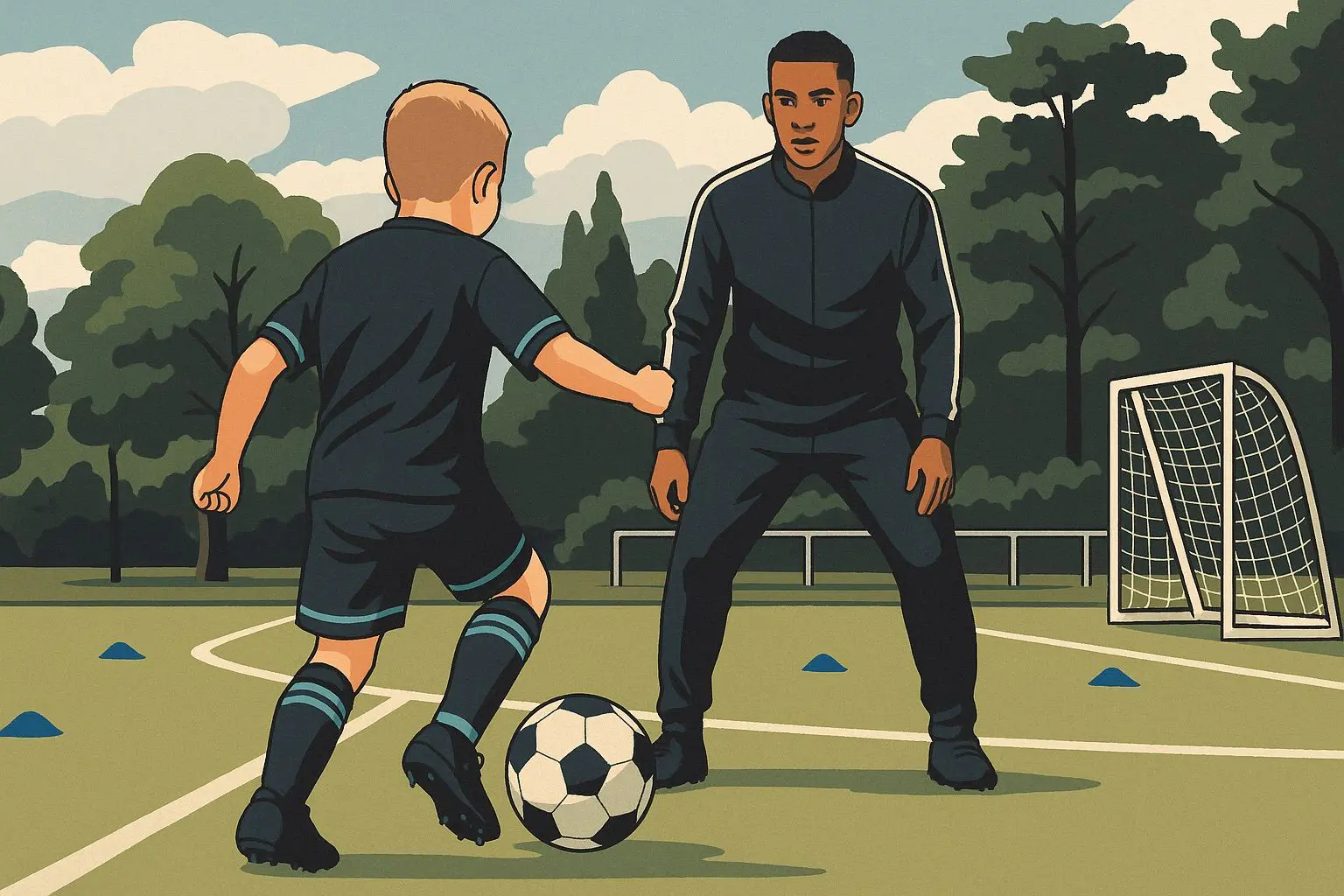
Private one-on-one lessons are the priciest option but offer individualized attention. On average, a 1-on-1 soccer training session costs about $40 to $100 per hour in the U.S. The range is wide because of factors like the coach’s experience and location. Here’s a rough breakdown of private lesson cost tiers:
- Entry-Level Coaches (Budget-Friendly): These might be less experienced instructors – for example, a high school or college player earning extra money as a trainer. You might find rates around $30 to $50 per hour at this entry level. It’s a more affordable way to get one-on-one instruction, though the coach may be newer to teaching.
- Mid-Range Coaches (Experienced Youth Coaches): An established youth coach or someone with a coaching license and a few years of experience may charge roughly $50 to $80 per hour. In this range, you’re often getting a coach who knows how to work with kids and can tailor training to your child’s needs.
- Premium Coaches (Highly Experienced or Ex-Pro): Top-tier instructors – such as retired professional players or coaches with advanced licenses – command higher rates. Premium private lessons can cost $90 or more per hour, with some elite coaches charging over $100. At this level, you’re often paying for a coach’s renowned expertise and track record.
Group Soccer Lessons

If private lessons are not what you are after, group lessons are a wonderful and cost-effective alternative. Small-group soccer lessons average about $35 to $65 per hour, per student. In these semi-private sessions, one coach works with a group of typically 2–5 kids of similar age or skill.
- Typical Small Group Rates: For a small group of 2–5 players, expect roughly $35–$65 per child per hour in many areas. For example, if a coach charges $60 for an hour and takes 4 kids, that’s $15 each – a great deal! Many independent coaches and training academies offer small-group clinics where a few friends can train together and split the cost.
- Larger Group Classes: Some soccer programs (like community center classes or youth clubs) might have larger group practice sessions. These often come out even cheaper per session. You might pay, say, $100 for a season of 8 weekly classes – which breaks down to only $12 or so each class. The trade-off is less individual feedback.
In group lessons, peer learning and fun are big benefits. Kids often enjoy practicing with others and can learn teamwork from day one. They might do dribbling drills, small scrimmages, and passing exercises together. Although each child gets a bit less one-on-one correction, group sessions can still build a lot of skill through repetition and play. As former USMNT star Clint Dempsey put it, “The more games you get, the more confidence you gain. I started to set the bar high for myself.”
What Factors Influence the Cost of Lessons?
Why do some soccer lessons cost $30 and others $100? Several key factors affect pricing. Understanding these will help you decide what fits your budget and needs:
- Coach’s Experience and Qualifications: Perhaps the biggest factor is the coach themselves. A coach who is a former professional player or a highly certified trainer will charge more than a coach who’s just starting out. What’s the trade-off? An experienced coach may pinpoint technical flaws faster or have a proven development plan – valuable if your child is aiming high. But plenty of less-famous coaches are excellent with kids and can teach fundamentals just fine.
- Location and Facility: Where you live plays a role in cost. Urban areas and regions with a higher cost of living tend to have pricier lessons, simply because coaches’ expenses are higher. If a coach has to rent an indoor turf field or dedicated facility, that overhead may be passed on to you in the lesson price. On the other hand, coaches who use free public fields or parks can afford to charge a bit less. Travel is another consideration: if the coach comes to you, they might add a travel fee. You can often save money by driving your child to the coach’s preferred field instead. So, a family in a rural or suburban area using the local park might pay less than a family booking a coach who commutes across a big city.
- Lesson Format (Individual vs. Group): The number of players in the lesson significantly impacts the price per child. As noted above, individual one-on-one sessions cost the most, while small-group lessons provide similar benefits at a lower cost per kid.
Other factors that can influence price include the duration and frequency of lessons. For example, a coach might offer a slight discount for 45-minute lessons instead of a full hour, or they might charge a higher hourly rate if you only train once a month versus weekly.
Tips for Getting the Best Value Out of Soccer Lessons
Soccer lessons are an investment, but there are ways to stretch your dollar and get great value. Here are some parent-to-parent tips for making the most of your child’s soccer training:
- Consider Multi-Lesson Packages: Consider multi-lesson packages offered by most coaches or academies, which often include discounts. For instance, TeachMe.Tosells lesson packs backed by a 100% satisfaction guarantee, allowing you to assess its suitability.
- Start with Group Classes for Beginners: If your child is new to soccer, you don’t need to jump straight into expensive private coaching. Group clinics and beginner classes are typically low-cost and teach foundational skills in a fun environment. Many towns have parks and recreation leagues or YMCA programs where the fees are modest.
- Bundle with Friends or Siblings: If you know other kids who want extra training, see if you can schedule a small-group session together. Not only is it fun for the kids to train with friends or siblings, but you can split the coach’s fee.
- Use At-Home Practice to Maximize Lesson Impact: To get more bang for your buck, encourage your child to practice at home between lessons. That way, the time you’re paying the coach for is spent learning new skills.
By using strategies like these, you can keep costs manageable without compromising on your child’s development or enjoyment.
Beyond the Price Tag: Why Soccer Lessons Are Worth It
It’s easy to fixate on the dollars and cents, but it’s also important to zoom out and remember the big picture. Soccer lessons aren’t just about learning to pass or score – they can play a huge role in your child’s personal growth. Through training and teamwork, kids pick up life skills that stick with them long after the season ends.
One huge benefit is confidence. As kids build their skills on the field, you’ll often see them stand a little taller off the field too. A good coach knows how to challenge a child while also encouraging them, which helps confidence bloom. In fact, many parents find that private lessons especially can improve a player’s game and confidence. When a coach gives individualized feedback and praise, it motivates the child to work hard and believe in their abilities. That boost can spill over into school and other activities.
Soccer lessons also teach discipline and perseverance. Showing up each week, listening to coaches, practicing skills over and over – these habits instill a strong work ethic. Kids learn that progress comes from effort. They might set a goal of juggling the ball 10 times, and after weeks of trying, finally hit it. That experience of “wow, hard work pays off!” is invaluable. It’s like Alex Morgan, star of the US Women’s National Team, once noted about overcoming insecurities – by pushing herself and “rediscovering my inner confidence, I become a better teammate and person,” she said. The discipline to keep training helped her not just on the field, but in personal growth and the ability to uplift others as a teammate.
And of course, there’s the obvious benefit of teamwork and social skills. In soccer, kids are constantly learning to communicate, cooperate, and respect others. Group lessons or team-based training are great for this – your child will have to work within a group, listen, take turns, and encourage peers. Soccer, like any team sport, shows kids how to be part of something bigger than themselves. It teaches that everyone has a role and that supporting each other leads to success. These lessons in teamwork and camaraderie can increase a child’s empathy and leadership skills.
Perhaps most importantly, lessons can deepen your child’s love for the game. With the right coach, practices become fun and fulfilling, not a chore. A passionate coach will celebrate your child’s improvements, big or small, and keep them excited to learn more. Over time, that positive experience can cement soccer as a source of joy and confidence for your kid. Even if they don’t go on to play in college or the pros, the lessons learned and the memories of playing will stay with them.
Finally, remember that as a parent, you’re not alone in this journey. There are many resources to help you find the right coach or program. Platforms like TeachMe.To allow you to browse verified soccer instructors and read reviews from other parents, so you can find a coach that fits both your budget and your child’s personality. Whether you opt for a few private sessions to hone specific skills or sign up for a season of group clinics, you can feel good knowing you’re investing in your child’s growth.
In conclusion
The cost of soccer lessons for kids in the U.S. can range from very affordable to fairly pricey, depending on the route you choose. By understanding the typical prices and what affects those rates, you can make informed decisions that work for your family. And by leveraging discounts, group options, and trial classes, you can stretch your budget further.
At the end of the day, the smile on your child’s face after nailing a new skill or the pride you see when they talk about their team is the real payoff. As legendary U.S. soccer icon Mia Hamm once said: “Somewhere behind the athlete you've become and the hours of practice and the coaches who have pushed you… is a little girl who fell in love with the game and never looked back… play for her.” Keep that love of the game at the heart of it all, and you really can’t lose. Enjoy the journey with your young soccer star!
Find a Soccer Coach Near You
Ready to get started? Browse local soccer coaches and book your first lesson: