Private sports coaching in 2026 runs between $40 and $120 per hour for most athletes, though that range stretches considerably based on who's teaching and where you're training. Entry-level coaches fresh from college programs charge around $30 to $50 hourly, while former professionals commanding elite rates can exceed $150 per session.
This guide breaks down what you'll actually pay for basketball lessons, soccer training, and football quarterback development. You'll see how group sessions compare to one-on-one instruction, which factors push prices higher, and where to find qualified coaches without overspending.
Average Cost of Private Sports Coaching by Sport
Coaching rates vary more by instructor credentials and location than by sport itself. The real price differences emerge when you look at position-specific training like quarterback coaching versus general skills development. Each sport has its own pricing ecosystem shaped by local demand, facility requirements, and the depth of available coaching talent.
Basketball Coaching Costs
Basketball trainers charge between $50 and $150 per hour on average, with most experienced coaches landing in the $60 to $90 range. Entry-level instruction from high school or college players starts around $30 to $50 per session.
Elite coaches with professional playing backgrounds or advanced certifications command $100 to $150+ hourly. In Los Angeles, private basketball training averages $36 per session, while New York City rates start at $30. The variance reflects both market competition and the concentration of high-level talent in major metros.
Group basketball training offers significant savings. Typical group sessions cost $30 to $50 per player for an hour of instruction with ratios capped around six athletes per coach.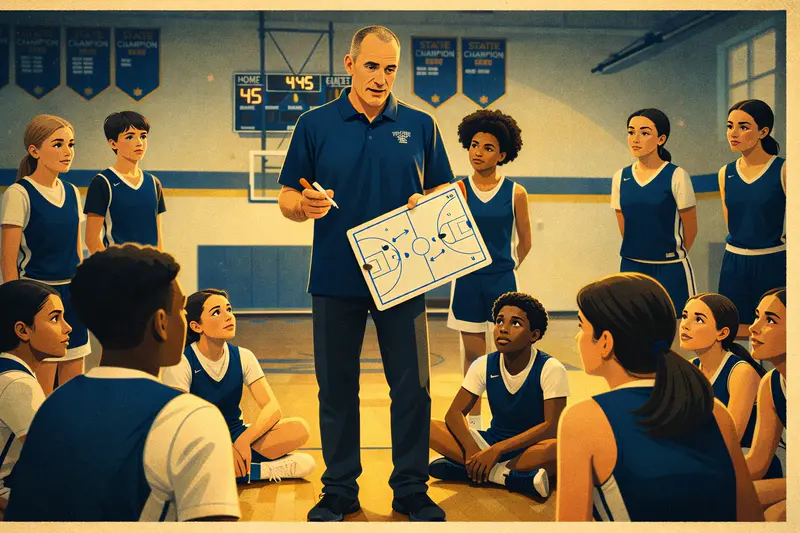
Soccer Coaching Costs
Individual soccer sessions typically cost $40 to $100 per hour, with most coaches charging between $60 and $80. The wider price range compared to basketball reflects greater variability in coaching backgrounds, from recreational league volunteers to former Division I players.
Some premium trainers charge upward of $200 per hour in high-demand markets or for specialized position training. Location matters considerably. Coaches in soccer-rich communities with established club systems often charge more than those in areas where the sport competes for attention with football and basketball.
Small group soccer lessons run $35 to $65 per hour per student for groups of two to five athletes at similar skill levels. The coach's attention gets divided, but the cost per athlete drops by roughly half compared to private instruction.
Football Coaching Costs
Football coaching splits into general skills training and position-specific work, with quarterback training commanding premium rates. Group quarterback sessions cost around $40 per class, making them accessible for youth and high school players building fundamentals.
Semi-private quarterback training runs $75 to $100 for middle and high school athletes, with youth QB sessions around $75. These smaller group settings provide more individualized attention than full group classes while keeping costs manageable.
Elite quarterback packages reach different territory entirely. One high-level program charges $2,500 for a package including six on-field sessions and six classroom sessions. These programs target serious prospects preparing for college recruitment or professional development.
Group vs Private Coaching Rates
The math on group training is straightforward: split the coach's hourly rate among multiple athletes and everyone pays less. Group rates can drop below $20 per hour per athlete when costs are shared, compared to $60 to $100 for solo sessions.
The tradeoff involves attention and customization. Private coaching delivers feedback tailored to your specific mechanics, while group training follows a more standardized curriculum that works for athletes at similar skill levels.
Private One-on-One Session Pricing
Private sessions justify their premium through personalized skill development and immediate feedback. Your coach designs drills around your weaknesses, adjusts teaching methods to your learning style, and tracks progress against your specific goals rather than team benchmarks.
Research shows one-on-one learners improve two standard deviations above others, placing them in the top 2% of all students. That acceleration matters most when correcting technical flaws or developing position-specific skills that team practice doesn't address.
Expect to pay $60 to $100 per hour for experienced private coaching across basketball, soccer, and football. Elite instruction starts around $90 and climbs past $150 for coaches with professional playing experience or specialized expertise.
Small Group Training Costs
Small group sessions with two to five athletes reduce individual costs to $20 to $60 per person while maintaining reasonable coach-to-athlete ratios. This format works best when participants share similar skill levels and training goals.
The social element adds value beyond cost savings. Athletes push each other during competitive drills, learn by watching peers, and build relationships that extend to games and tournaments. Group lessons develop collaboration and competitive instincts that private training can't replicate.
Quality drops when groups exceed six athletes per coach. The instructor spends more time managing logistics than providing feedback, and individual attention becomes sporadic.
Cost Comparison and Value Analysis
Private coaching makes sense when you're correcting specific technical issues, preparing for tryouts, or working on position-specific skills. The focused attention accelerates improvement on targeted weaknesses that might take months to address in team settings.
Group training delivers better value for beginners learning fundamentals, athletes on tight budgets, or players who thrive in social learning environments. You'll progress more slowly on individual skills but develop game awareness and competitive instincts through peer interaction.
Many athletes combine both approaches: private sessions for technique refinement and group training for conditioning and competitive drills. This hybrid model addresses individual development needs while controlling costs.
Factors That Affect Private Coaching Prices
Four primary variables create the $30 to $150+ hourly range you'll encounter when shopping for coaches. Understanding these factors helps you evaluate whether a coach's rates reflect genuine value or market positioning.
Coach Experience and Credentials
Entry-level coaches charge $30 to $50 per hour, typically high school or college players with limited teaching experience. They know the sport but are still developing coaching skills like communication, drill design, and progress tracking.
Experienced coaches with college-level playing or coaching backgrounds charge $50 to $80 per hour. These instructors have refined teaching methods, broader drill libraries, and better diagnostic skills for identifying technical issues.
Elite coaches start at $90 and often exceed $100 per hour. This tier includes former professional players, coaches with advanced certifications from sport governing bodies, and instructors with documented track records developing college or professional athletes. The premium reflects both expertise and opportunity cost—these coaches could earn similar rates working with higher-level athletes.
Certifications matter less than playing and teaching experience for most athletes. A former Division I player without formal coaching credentials often delivers more value than a certified instructor who played recreationally.
Geographic Location and Market Rates
Urban areas with high costs of living charge 30% to 50% more than small towns for comparable coaching. Houston basketball coaching starts at $20 per session, while New York City rates begin at $30 for similar entry-level instruction.
Major metros also concentrate more elite-level coaches. Cities with professional teams, major college programs, or established club systems attract former high-level athletes who settle locally after their playing careers. This deeper talent pool creates more options but also pushes rates higher through increased demand.
Suburban markets typically price 20% to 30% below urban cores while offering more coaching options than rural areas. You'll find experienced instructors without paying downtown premiums or driving an hour to the nearest qualified coach.
Session Duration and Package Deals
Single sessions cost more per hour than committed packages. Most coaches offer 15% to 25% discounts when you purchase six, twelve, or eighteen sessions upfront. A coach charging $80 for individual sessions might offer ten sessions for $650, dropping the effective rate to $65 per hour.
Package deals benefit both parties. You lock in consistent training time and lower rates. Your coach secures predictable income and can plan progressive skill development across multiple sessions rather than treating each lesson as standalone.
Longer sessions don't always scale proportionally. A 90-minute session might cost $120 when the coach's hourly rate is $80, effectively discounting the extra half hour. Coaches prefer longer blocks because they reduce travel time between clients.
Facility and Equipment Costs
Indoor facilities, travel fees, and specialized equipment add $10 to $30 per session to base coaching rates. Training at a climate-controlled basketball facility costs more than meeting at an outdoor court, but weather never cancels sessions.
Some coaches include facility costs in their rates while others charge separately. Ask upfront whether the quoted price covers gym rental, field access, or equipment like agility ladders and training cones. Transparent pricing prevents surprise fees.
Coaches working at their own facilities or outdoors eliminate facility costs, which can reduce rates by $15 to $25 per session. The tradeoff might involve less sophisticated training equipment or weather-dependent scheduling.
Mobile coaches who travel to your preferred location typically charge $10 to $20 extra per session for drive time and mileage. This convenience premium makes sense if it saves you 30 minutes of commuting to their facility.
Regional Price Variations for Sports Coaching
Geography shapes coaching costs as much as instructor credentials. The same experienced coach might charge $90 per hour in Los Angeles and $55 in a mid-size Midwest city, reflecting local cost of living and market demand rather than coaching quality.
Major Metro Areas (NYC, LA, Chicago)
New York City basketball coaching starts at $30 per session for entry-level instruction, with experienced coaches charging $70 to $100 hourly. Los Angeles averages $36 per hour for private basketball training, though rates climb past $100 for elite instructors.
Major metros command premium pricing through higher operating costs and concentrated demand. Coaches pay more for facility rentals, commute longer between clients, and face competition from athletes willing to pay top dollar for the best instruction. The upside: deeper talent pools mean you can find coaches with specific expertise, from shooting mechanics to defensive footwork.
Chicago, Boston, and San Francisco follow similar patterns, with entry-level coaching around $35 to $45 and experienced instructors charging $75 to $110 per hour. Coastal cities typically price 10% to 15% higher than Midwest metros of comparable size.
Mid-Size Cities and Suburban Markets
Houston basketball coaching starts at $20 per session, demonstrating the 30% to 40% discount mid-size cities offer compared to coastal metros. Phoenix, Nashville, and Charlotte show similar pricing, with entry-level coaching around $25 to $35 and experienced instructors charging $50 to $70 hourly.
These markets balance cost and quality effectively. You'll find coaches with Division I playing experience or professional backgrounds who chose to settle in more affordable cities. Facility costs run lower, and coaches face less pressure to maximize hourly rates.
Suburban areas surrounding major metros often provide the best value. You access coaches who trained in the urban market but relocated for lower costs of living, and you avoid downtown facility premiums while staying within reasonable driving distance of multiple options.
Rural and Small Town Pricing
Expect rates 40% to 50% below major metros in rural areas and small towns. Entry-level coaching might cost $20 to $25 per hour, with experienced instructors charging $35 to $50. The challenge involves finding coaches with high-level playing or teaching experience.
Small-town coaches often have deep community ties and genuine investment in local athlete development. What they might lack in elite credentials, they compensate for through accessibility, flexibility, and lower costs that make consistent training affordable for more families.
Online coaching platforms help bridge the expertise gap. Athletes in rural areas can access video analysis and remote instruction from elite coaches while working with local instructors for in-person skill work.
How to Choose the Right Sports Coach
Price matters, but the cheapest coach rarely delivers the best value. A $50-per-hour instructor who accelerates your development beats a $30-per-hour coach who reinforces bad habits. Evaluate credentials, teaching style, and track record before comparing rates.
Verifying Qualifications and Certifications
Look for coaches with recognized qualifications from sport governing bodies. USA Basketball, United Soccer Coaches, and USA Football offer certification programs that teach coaching methodology, age-appropriate training, and injury prevention.
Current CPR and first aid certification should be non-negotiable. Accidents happen during athletic training, and you want a coach prepared to respond appropriately. Ask to see current certification cards before committing to a coach.
Playing experience matters more than coaching certifications for most skill development. A former college athlete without formal coaching credentials typically understands game situations and technical nuances better than a certified coach who played recreationally. The ideal combination includes both high-level playing experience and coaching education.
Ask about specialized training relevant to your goals. Position-specific coaches, shooting specialists, and strength coaches bring focused expertise that general skills trainers can't match.
Assessing Coaching Style and Philosophy
Request a trial session to evaluate communication approach and teaching methodology. Some coaches teach through demonstration and repetition, while others emphasize verbal instruction and video analysis. Neither approach is inherently better, but one might match your learning style more effectively.
Watch how the coach provides feedback. Effective instructors balance correction with encouragement, explain the reasoning behind drills, and adjust teaching methods when athletes struggle to grasp concepts. Coaches who simply run athletes through drills without explanation or who focus exclusively on criticism rarely produce lasting improvement.
Personality compatibility matters as much as qualifications. You'll spend hours with this person, often during frustrating moments when skills aren't clicking. A coach who motivates you through challenges and makes training engaging will deliver better results than a more credentialed instructor whose style doesn't resonate.
Ask about their coaching philosophy. Do they emphasize fundamentals or game situations? How do they balance skill development with conditioning? What role does video analysis play in their training? The answers reveal whether their approach aligns with your development needs.
Checking Reviews and Track Record
Prioritize coaches with documented athlete improvement rather than impressive playing credentials alone. Successful athletes don't automatically become effective teachers. Look for testimonials describing specific skill improvements, not just general praise.
Ask for references from athletes at your current level. A coach who excels at developing elite prospects might lack patience for beginners, while an instructor who's great with youth athletes might not challenge advanced players sufficiently. You want someone with proven success coaching athletes like you.
Online coaching platforms provide built-in review systems that offer more reliable feedback than cherry-picked testimonials. Look for patterns across multiple reviews rather than focusing on individual comments. Consistent praise for communication skills, punctuality, and measurable improvement indicates a reliable coach.
Be skeptical of coaches who can't provide references or whose testimonials come exclusively from years ago. Effective coaches accumulate recent success stories as they continue developing athletes.
Questions to Ask Potential Coaches
Cover training philosophy first. How do they structure sessions? What's their approach to injury prevention? How do they track progress and adjust training plans? These questions reveal whether they follow a systematic development process or improvise each session.
Ask about availability and scheduling flexibility. Can they accommodate your preferred training times? What's their cancellation policy? How do they handle weather-related changes for outdoor training? Logistical compatibility matters as much as coaching expertise.
Discuss package options and payment terms. Do they offer discounts for bulk sessions? What happens to unused sessions if you need to pause training? Are there additional costs for facilities, equipment, or video analysis? Clear financial terms prevent future disputes.
Request their assessment of your current skill level and development timeline. Coaches who promise rapid transformation or guarantee specific outcomes are selling results they can't control. Honest instructors provide realistic timelines based on your starting point, training frequency, and work ethic.
Ways to Save on Private Sports Coaching
Quality coaching doesn't require premium pricing if you're strategic about when, where, and how you train. These five approaches reduce costs without sacrificing instruction quality.
Bulk Session Packages and Discounts
Commit to six to eighteen session packages for 15% to 25% savings versus single-session pricing. A coach charging $80 per individual session might offer a ten-pack for $650, dropping your effective rate to $65 per hour and saving $150 on the package.
Bulk purchases work best when you've already trained with the coach and confirmed they're a good fit. Prepaying for sessions with an unproven instructor risks locking in mediocre training. Use trial sessions to evaluate coaches before committing to packages.
Ask about payment plans for larger packages. Some coaches allow you to split package costs across multiple months rather than requiring full upfront payment, making expensive packages more accessible.
Splitting Costs with Group Training
Organize two to four athletes at similar skill levels to share a coach, reducing individual costs below $20 per hour. You need participants with comparable abilities and compatible schedules, but the savings justify the coordination effort.
When athletes split private session costs, coaching can drop below $20 per hour per person. A coach charging $80 for private sessions might accept $120 for a group of three, giving each athlete personalized attention at $40 per hour.
Self-organized groups often negotiate better rates than joining established group classes. You're bringing the coach multiple clients simultaneously, which justifies discounting from their standard private rate while still earning more than single-client sessions.
Off-Peak and Seasonal Pricing
Weekday daytime sessions and off-season training often come discounted 10% to 20% compared to prime evening and weekend slots. Coaches prefer filling otherwise empty calendar blocks, creating negotiating leverage for athletes with flexible schedules.
Summer typically represents peak season for youth sports coaching, while winter (except for basketball) sees reduced demand. Coaches looking to maintain income during slow periods may offer promotional rates or package deals.
Early morning sessions before school or work hours sometimes cost less than after-school prime time. If you can train at 6:00 AM instead of 6:00 PM, ask whether the coach offers off-peak pricing.
Satisfaction Guarantees
Many instructors offer free first sessions to new students, providing risk-free evaluation of their teaching style and personality fit. TeachMe.To offers a 100% satisfaction guarantee, letting you test multiple coaches before committing.
The guarantee benefits both parties. You assess coaching quality without financial risk. Coaches earn long-term students by demonstrating their value. Use it to compare several instructors before settling on a pack.
Some platforms provide satisfaction guarantees where your first paid lesson is refundable if the coach isn't the right fit. This reduces the risk of prepaying for packages with coaches who seemed promising during free trials but don't deliver in paid sessions.
Find a Football Coach Near You
Ready to get started? Browse local football coaches and book your first lesson:
Houston · Chicago · Dallas · See all cities →
Online Coaching Platforms vs Local Instructors
Coaching marketplaces like CoachUp, Athletes Untapped, and TeachMe.To simplify finding qualified instructors but add platform fees to coaching costs. Direct-hire local coaches eliminate middlemen but require more vetting work on your end.
Benefits of Using Coaching Marketplaces
CoachUp provides vetted coaches with transparent pricing and satisfaction guarantees, handling the screening work you'd otherwise do yourself. Athletes Untapped accepts less than 10% of coach applications, ensuring instructors meet minimum quality standards for playing experience and teaching ability.
Platform reviews offer reliable feedback from previous clients. You can compare multiple coaches' rates, credentials, and specialties in one place rather than tracking down individual instructors and requesting information separately. This comparison shopping reveals market rates and helps identify coaches offering exceptional value.
Platforms provide insurance coverage and dispute resolution that independent coaches typically don't offer. If a coach cancels repeatedly, delivers poor instruction, or creates safety concerns, the platform mediates and can provide refunds or alternative coaches. This protection matters more for expensive package purchases.
Built-in scheduling, payment processing, and communication tools streamline logistics. You book sessions, pay invoices, and message coaches through one interface rather than coordinating via text, email, and separate payment apps.
Finding Independent Local Coaches
Direct-hire coaches eliminate platform fees that can add 10% to 20% to session costs. A coach charging $70 per hour on a platform might accept $60 for direct bookings, saving you $10 per session or $100 on a ten-pack.
Check local high schools, club teams, and recreation departments for coaching referrals. These organizations often know instructors who offer private training but don't advertise publicly. College athletes home for summer frequently provide quality instruction at entry-level rates.
Ask your athlete's current coaches for recommendations. They know local instructors, understand your athlete's development needs, and can suggest coaches whose style and expertise match your goals. These warm referrals often lead to better fits than cold outreach.
Social media and community groups provide another discovery channel. Local sports parent groups on Facebook frequently discuss coaches, share recommendations, and post reviews based on direct experience.
Cost Comparison Between Options
Platform coaches average similar or slightly higher rates than independent instructors, but the difference is smaller than you might expect. CoachUp and Athletes Untapped coaches charge market rates comparable to what experienced independent coaches command locally.
The value proposition depends on how much you value convenience and protection. If you're comfortable vetting coaches yourself, checking references, and handling payment logistics, independent coaches save money. If you prefer vetted options with built-in guarantees and streamlined booking, platforms justify their fees.
For first-time coaching clients, platforms reduce risk through trial periods and satisfaction guarantees. Once you understand what makes a good coach and feel confident evaluating instructors, independent hiring becomes more attractive.
Private Coaching vs Team Practice: Which is Better?
This framing misses the point. Most effective development combines private coaching for technique with team practice for game application. Each format serves different purposes in athlete development.
Advantages of Private Instruction
One-on-one learners perform in the top 2% of students according to Bloom's research on tutoring effectiveness. That acceleration comes from personalized attention, immediate feedback, and training plans customized to your specific weaknesses.
Private coaching excels at correcting technical flaws that team practice doesn't address. Your shooting form, first touch, or throwing mechanics get analyzed in detail with targeted drills designed around your specific issues. Team coaches can't provide this individualized attention when managing fifteen athletes simultaneously.
You progress at your own pace rather than following group timelines. Advanced athletes work on sophisticated concepts without waiting for teammates to catch up. Beginners master fundamentals without pressure to keep pace with more experienced players.
Benefits of Team Training
Team practice develops social skills, competitive instincts, and game awareness that private training can't replicate. You learn to read teammates' movements, communicate during live play, and execute skills under defensive pressure.
Cost represents another clear advantage. Team practice through school or club programs costs a fraction of private coaching, making consistent training accessible for families on tight budgets. Many athletes get adequate development through team training alone, reserving private coaching for specific skill gaps.
The competitive environment pushes athletes differently than private instruction. Training alongside peers creates natural motivation to improve, while private sessions require more self-discipline to maintain intensity.
Combining Both Approaches for Optimal Results
Use private coaching strategically to address specific weaknesses, then apply those improved skills in team settings. An athlete struggling with shooting mechanics might take private lessons to rebuild form, then reinforce the new technique during team practice.
Budget determines the right balance. Athletes with unlimited resources might train privately three times weekly plus team practice. Most families prioritize team participation and add private coaching during off-season or when preparing for tryouts and showcases.
Many athletes find that combining both formats offers comprehensive development, addressing individual technical needs while building team chemistry and competitive experience. Start with team training as your foundation, then add private coaching to accelerate development in specific areas.
What to Expect in Your First Coaching Session
Initial sessions focus on assessment rather than intensive training. Your coach evaluates current ability, identifies weaknesses, and discusses goals before designing a development program. Come prepared to demonstrate skills across multiple areas rather than expecting a structured lesson.
Initial Skills Assessment
Coaches typically spend the first 20 to 30 minutes watching you perform fundamental skills without much instruction. They're establishing a baseline of your current abilities, identifying technical flaws, and noting which areas need immediate attention versus long-term development.
Be honest about your experience level and goals. Coaches can't design effective training plans if you overstate your abilities or hide weaknesses you're embarrassed about. The assessment exists to identify exactly where you need help.
Bring questions about your development. What's holding you back from making the next level? Which skills matter most for your position? How long does typical improvement take? Good coaches welcome these discussions and provide realistic assessments based on your starting point.
Goal Setting and Training Plans
Effective coaches establish specific, measurable objectives with timelines rather than vague aspirations like "get better." You might target increasing free throw percentage from 60% to 75%, improving first touch consistency, or developing a reliable changeup by specific dates.
The training plan should outline how you'll achieve these goals through progressive skill development. Early sessions address fundamental flaws, middle sessions build consistency, and later sessions add complexity and game-speed execution. This roadmap helps you track progress and understand how each session contributes to larger objectives.
Discuss training frequency and timeline. How many sessions per week does the coach recommend? What results can you expect in three months versus six months? Realistic expectations prevent frustration when improvement follows a gradual curve rather than immediate transformation.
Typical Session Structure and Format
Most 60 to 90-minute sessions follow a consistent structure: 5 to 10-minute warm-up, 15 to 20 minutes of technical drills, 20 to 30 minutes of live practice application, 5 to 10-minute cool-down, and a brief feedback debrief.
The technical drill portion breaks skills into components. A basketball shooting session might isolate footwork, then hand position, then follow-through before combining elements. This systematic approach builds proper mechanics through repetition and immediate correction.
Live practice application tests skills under game-like conditions. You might play one-on-one, run through game scenarios, or execute skills with time pressure and fatigue. This phase reveals whether technical improvements transfer to competitive situations.
The debrief summarizes progress, assigns homework for independent practice, and previews the next session's focus. Good coaches provide specific practice instructions rather than generic advice to "work on your shot."
Frequently Asked Questions
How much does private sports coaching cost per hour?
Private sports coaching averages $40 to $120 per hour across basketball, soccer, and football. Entry-level coaches charge $30 to $50, experienced instructors $50 to $80, and elite coaches with professional backgrounds $90 to $150+. Location significantly impacts pricing, with major metros charging 30% to 50% more than small towns.
Are basketball lessons more expensive than soccer or football?
No, the three sports show similar pricing ranges for comparable coaching levels. Basketball averages $50 to $150 per hour, soccer runs $40 to $100, and general football coaching falls within the same spectrum. Position-specific football training, particularly elite quarterback packages reaching $2,500, represents the main premium pricing in football.
How much cheaper are group lessons compared to private?
Group training reduces costs 50% to 70% per athlete. Private sessions average $60 to $100 per hour, while group rates drop to $20 to $40 per athlete when two to five participants share instruction. Small group basketball sessions cost $30 to $50 per player compared to $60 to $90 for private lessons with the same coach.
Do most coaches offer package discounts?
Yes, bulk packages provide 15% to 25% savings versus single-session pricing. Coaches typically offer six, twelve, or eighteen-session packages that reduce effective hourly rates. A coach charging $80 per individual session might price a ten-pack at $650, dropping the per-session cost to $65. Package deals benefit both parties by guaranteeing the coach consistent income while rewarding client commitment.
What qualifications should a sports coach have?
Look for recognized certifications from sport governing bodies like USA Basketball, United Soccer Coaches, or USA Football. Current CPR and first aid certification should be mandatory. Playing experience often matters more than coaching certifications for skill development. Prioritize coaches with documented athlete improvement at your current level rather than impressive credentials alone.
How do I find affordable coaching in my area?
Use platforms like CoachUp or Athletes Untapped to compare vetted coaches with transparent pricing. Consider group sessions that reduce per-athlete costs to $20 to $40 per hour. Schedule off-peak training times for 10% to 20% discounts. Many coaches offer free trial sessions, letting you evaluate multiple instructors before committing. Ask local high schools and club teams for independent coach referrals that eliminate platform fees.
Is private coaching worth the cost for beginners?
Entry-level group training provides better value for beginners learning fundamentals. Group sessions cost $20 to $40 per athlete while delivering adequate instruction for basic skill development. Reserve private coaching for correcting specific technical flaws or preparing for competitive tryouts. Once fundamentals solidify, private instruction accelerates improvement on advanced skills that group settings don't address effectively.
Can I negotiate rates with private coaches?
Direct rate negotiation rarely succeeds with established coaches who know their market value. Instead, leverage package purchases and off-peak scheduling for better pricing. Ask about discounts for bulk sessions, weekday daytime training, or off-season commitments. Self-organized group training where you bring multiple athletes gives you negotiating power since you're delivering multiple clients simultaneously. Focus on finding coaches whose standard rates fit your budget rather than expecting significant discounts.