Sarah walked onto the court for her first DUPR-tracked tournament, confident after months of recreational play. She lost 11-3, 11-2. The rating came back: 2.8. She wasn't sure whether to feel validated or devastated, but at least she finally had a number to work with.
DUPR (Dynamic Universal Pickleball Rating) provides objective skill measurement, ranging 2.000-8.000, used by professional tours and recreational players alike. Players struggle identifying specific improvement areas without understanding skill-level expectations and progression pathways. This guide maps DUPR rating tiers to concrete skills, drills, and strategies for targeted development.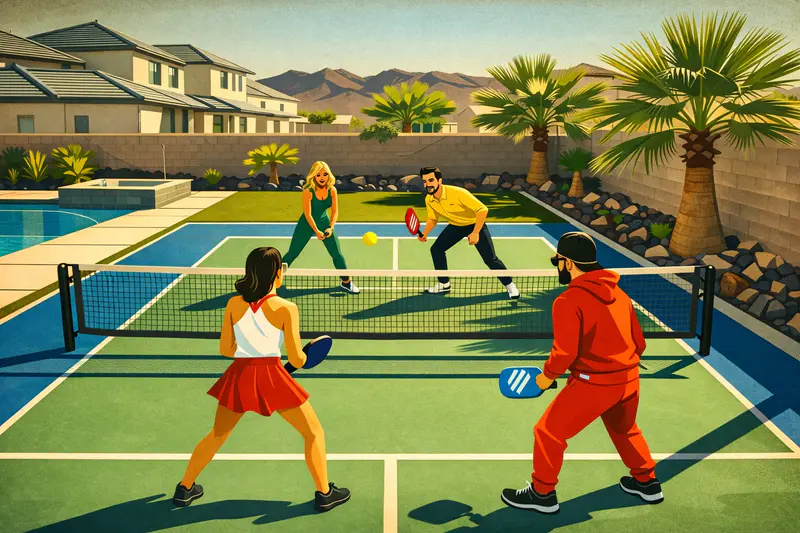
Understanding the DUPR Rating System
DUPR calculates ratings using a modified Elo algorithm that analyzes actual match results, not self-assessment. The system updates dynamically after each match, weighing official tournaments and club play more heavily than casual games.
How DUPR Calculates Your Rating
The algorithm uses your last 30 singles or 60 doubles eligible matches to determine your rating. You need only one official recorded match to generate an initial rating. New players start as "NR" (Not Rated) until their first result gets entered.
Recent matches carry more weight than older results, keeping your rating current with your actual skill level. Margin of victory and defeat influences rating changes, not just wins and losses.
DUPR Rating Ranges Explained
The 2.00-2.99 range covers beginners to early intermediates developing basic shot consistency. Players rated 3.00-3.99 show improving strategy and shot control at the intermediate level. Advanced players fall between 4.00-4.99 with strong tactical awareness and execution.
Elite and professional-level tournament competitors occupy the 5.00-8.00 range. As of March 2025, Ben Johns leads with a 7.218 singles rating while Anna Leigh Waters tops women's singles at 6.561.
How to Get Your First DUPR Rating
Participate in DUPR-tracked events or tournaments where results upload automatically. Submit video to a certified DUPR Coach via the MyDUPRCoach app for remote assessment. Play one match and manually record the score in the DUPR system to establish your baseline.
Beginner Level (2.0 - 2.99 DUPR)
Players at this level are beginning to recognize court situations but lack consistency and confidence. This foundation period focuses on rule comprehension, basic shot mechanics, and court positioning awareness.
What Defines a 2.0-2.5 Player
Beginners struggle with consistent serves, returns, and basic rallying patterns. They understand rules sufficiently to play but have very limited experience. These players sustain short rallies only with similar-ability opponents and are still learning where to position themselves on the court.
Essential Skills to Develop First
Serve placement and consistency to different court spots forms your foundation. Groundstroke control serves as the building block for more advanced shots later. Basic dinking technique requires a firm wrist, soft grip, and minimal follow-through to develop the touch needed for net play.
Best Drills for 2.0-2.5 Players
Wall drills help by keeping the ball up while varying speed and distance for reaction improvement. Dinking at the non-volley zone line develops soft control that wins games. Serve-and-return partner rotations targeting different zones build consistency where it matters most.
Common Mistakes to Avoid
Taking excessively large backswings instead of compact strokes undermines your control. Rushing to advanced techniques before mastering fundamental consistency slows your progression. Playing without understanding rules and scoring creates confusion that prevents you from focusing on shot development.
Intermediate Level (3.0 - 3.99 DUPR)
Players understand proper positioning and shot selection but lack consistent execution. This transition phase sees strategic awareness develop faster than the technical ability to implement it.
What Defines a 3.0 Player
A 3.0 player understands basic rules and court positioning purpose but doesn't always reach the right position. They avoid backhand shots, hitting medium-paced forehands without directional control. These players understand dinking purpose but cannot control dinks consistently, struggling to maintain rallies.
What Defines a 3.5 Player
Improved forehand stroke with moderate control emerges at this level, along with developing backhand form. Better understanding of when to move to specific positions becomes apparent. Players consistently get serves and returns in play but with limited depth control.
Key Skills for 3.0-3.5 Players
Compact paddle work means keeping your paddle in front and avoiding large backswings. Dink consistency requires gentle under-ball contact with that firm wrist position. Third shot drop basics help you transition to the net where points get won.
Strategic Focus Areas
Patience over power sets up quality putaways methodically rather than forcing low-percentage shots. Shortened swings using "hula hoop" visualization keeps your paddle within an imaginary circle for better control. Power generation comes from legs and core, not swing size.
Recommended Drills for Intermediates
Triangle dinking drill practices directional variety to keep opponents guessing. Dinking for points removes serve and return to isolate rally practice. Kitchen runs combine third shot drop with transition movement to simulate real game situations.
Moving from 3.5 to 4.0
This transition takes many players multiple years to achieve. You need consistent forehand control and functional backhand development. Understanding advanced rules and positioning must become second nature while shot selection, partner interaction, and tactical awareness improve simultaneously.
Advanced Level (4.0 - 4.99 DUPR)
Players demonstrate strong grasp of soft and hard game, see the whole court, and anticipate play. Consistency, shot variety, precision, and court awareness separate this tier from intermediate.
What Defines a 4.0 Player
Advanced players sustain long rallies without unforced errors while maintaining pace and accuracy. They place serves strategically and return deep shots with confidence. Consistent forehand with depth and control pairs with decent backhand ability.
Critical Skills for 4.0+ Players
Purposeful return of serve creates third-shot difficulty for opponents, giving your team an advantage. Solid third shot drop execution becomes non-negotiable at this level. Speed-up from the kitchen line at 60% power creates pop-ups without giving opponents easy counters.
Ball reset ability separates 4.0+ players from intermediates. Taking fast-paced shots and returning them slower neutralizes opponent aggression and resets the rally on your terms.
Advanced Court Positioning
Split step after your third shot maintains balance and control for the next shot. Stopping momentum before opponent contact allows directional adjustment based on where they're hitting. Efficient court coverage with partner coordination eliminates gaps and covers angles.
Strategic Concepts for 4.0+ Play
Shot placement in hard-to-reach areas based on opponent observation exploits weaknesses you've identified. Using ball placement dictates game tempo and flow rather than letting opponents control pace. Third shot drop becomes your default with drive as change-of-pace only.
Drills to Reach and Maintain 4.0
High-intensity scenario drills match tournament pressure conditions. Reset practice converts fast shots to controlled pace through repetition. Structured doubles drills impact DUPR rating performance by simulating competitive situations.
Progressing from 4.0 to 4.5+
Third shot drop, transition play, and strategic dinking control game tempo at this level. Using drive as occasional change-up rather than primary strategy keeps opponents off balance. Opponent fourth-shot volleys improve at higher levels, requiring better drops to avoid giving them attackable balls.
Elite and Professional Level (5.0 - 8.0 DUPR)
Players are skilled in all game facets with strategy and technique mastery, performing consistently under pressure. Complete command over physical and mental aspects is required for national and international competition.
What Defines a 5.0+ Player
Elite players rarely make unforced errors and adjust strategy mid-game effectively. Excellent shot variety, precision, and quick net reflexes become automatic. High-level court awareness and positioning happens without conscious thought during competitive play.
Skills That Separate Elite Players
Lightning-fast reflexes and strategic thinking under tournament pressure distinguish this level. Mental toughness separates good players from great ones when matches get tight. Complete game command allows these players to compete nationally and internationally with confidence.
Training at the Highest Level
Practice must match tournament intensity and precision requirements to prepare for competitive situations. Advanced drills develop reflexes beyond basic consistency that intermediates focus on. Tournament simulation becomes a regular part of training rather than an occasional exercise.
How to Improve Your DUPR Rating Faster
Rating improvement requires strategic match selection, consistent play, and focused skill development. Playing higher-rated opponents and official tracked matches accelerates rating gains more than recreational play.
Match Selection Strategy
Challenge higher-rated players for faster rating boosts despite losses since the algorithm rewards competitive performance. Play structured tournaments and round robins weighted more than recreational play. Compete against rated opponents over unrated players to maximize rating impact.
Training and Practice Priorities
Regular practice focusing on consistency and competitive strategy builds the foundation. Refine grip, stance, and basic strokes continuously rather than assuming you've mastered them. Develop strategic acumen through dinking, lobbing, and third-shot drops that control rally tempo.
When to Consider Pickleball Lessons
Coaching accelerates learning through structured practice, immediate feedback, and customized plans. Investment considerations vary by lesson format, instructor credentials, and personal improvement goals.
Private Pickleball Lessons
Private lessons cost $30-$100 per hour based on coach experience and location. Personalized attention maximizes improvement rate by focusing on your specific weaknesses. Real-time corrections prevent bad habit formation that becomes harder to fix later.
Group Pickleball Sessions
Group sessions cost $10-$30 per person per hour in groups of 4-8 players. Shared instructor fees make sessions more affordable while providing peer practice opportunities. Group lessons work effectively for regular practice when complementing occasional private sessions.
Clinics and Workshops
Clinics cost $20-$50 per session with skill-specific focus areas. These blend group instruction targeting particular strategies like third shot drops or dinking patterns. Workshops provide concentrated learning on specific aspects of the game.
Finding Pickleball Training Near You
TeachMe.To platform offers satisfaction guarantee and coach-switching options if your first lesson isn't a good fit. Many instructors offer lesson packs with multi-lesson discounts to reduce the initial investment barrier.
Structured Training Plans
A 4-week progressive plan focusing on skill development, consistency, and strategy provides direction. Each week introduces progressive goals keeping improvements realistic and achievable. Combination approach works best: monthly private lessons, weekly group clinics, and online resources for supplemental learning.
Best Pickleball Drills by Skill Level
Level-appropriate drills build specific competencies needed for rating progression. Progressive drill difficulty ensures you master fundamentals before integrating advanced techniques.
Solo Practice Drills
Wall drills varying speed and distance improve depth perception and reaction time. Practice different shots against the wall including dinks, drives, and fast hands. Target-based practice using cones or markers sharpens precision when partners aren't available.
Partner Drills for Beginners
Serve and return rotations targeting court zones build foundational consistency. Dinking at the kitchen line develops control that wins rallies. Groundstroke consistency rallies prioritize control over power to establish proper technique.
Intermediate Partner Drills
Triangle dinking practices directional variety rather than predictable placement patterns. Kitchen runs combine third shot drop with transition movement to simulate game flow. Dinking for points isolates rally practice by removing serve and return variables.
Advanced and Elite Drills
High-intensity pressure drills match tournament conditions and mental demands. Lightning-fast reflex development through advanced scenarios prepares you for competitive play. Doubles-specific drills impact competitive DUPR performance by building partnership coordination.
Common Questions About DUPR Ratings and Skill Progression
What DUPR rating should I aim for as a beginner?
Most new players start around 2.0-2.5 initially as they learn the game. Building consistency moves players into the 3.0+ range where most recreational players compete. A 3.5+ rating separates you from the average crowd with better placement and fewer errors.
How long does it take to improve my DUPR rating?
Progression speed varies by sports background and individual factors like practice frequency. The jump from 3.5 to 4.0 takes many players multiple years to achieve. More matches played increases rating accuracy and improvement visibility over time.
Should I take private or group pickleball lessons?
Private lessons offer personalized attention at premium cost for targeted improvement. Group lessons provide budget-friendly learning with peer practice opportunities. Mixed approach works well: monthly private lessons for specific corrections, weekly group clinics for regular practice.
What's the most important shot to master at each level?
Beginners should focus on dinking for soft control and game-winning rallies. Intermediates need the third shot drop as the most important game shot. Advanced players maintain third shot drop mastery while adding strategic dinking to control tempo.
Can I improve my rating by playing against lower-rated players?
Beating higher-rated opponents boosts your rating significantly more than easy wins. Losing to lower-rated players decreases your rating more than equal losses to similarly-rated opponents. Close loss to a strong player improves your rating more than an easy win against weaker competition.
How accurate is DUPR compared to other rating systems?
DUPR is the most accurate and widely used system today across all levels of play. Major League Pickleball and PPA Tour use DUPR as their official rating system. Uniformity of measurement across professional and recreational levels makes it the accepted authority.
What are signs I'm ready to move up a level?
Skill level definitions outline expected abilities at each stage for self-assessment. Rated matches through DUPR provide objective progression measurement beyond self-perception. Rate yourself based on your lowest consistent skill, not your highest occasional performance.
Find a Pickleball Coach Near You
Ready to get started? Browse local pickleball coaches and book your first lesson:
Los Angeles · San Diego · Las Vegas · Houston · Dallas · Toronto · Salt Lake City · See all cities →
Conclusion
DUPR rating provides an objective framework for identifying skill gaps and setting realistic improvement goals. Targeted practice focusing on level-appropriate skills, strategic match selection, and potentially coaching accelerates rating progression more than unfocused play. Understanding expectations at each tier enables you to train smarter, compete more effectively, and track measurable advancement through the sport's skill levels.