
Maria Chen spent her first pickleball lesson chasing balls into the net and apologizing to her instructor. By her fourth session, she was rallying comfortably and had already signed up for a beginner tournament at her local recreation center. Her secret wasn't natural athleticism. It was finding a coach who understood that seniors learn differently and need instruction tailored to their pace and physical limitations.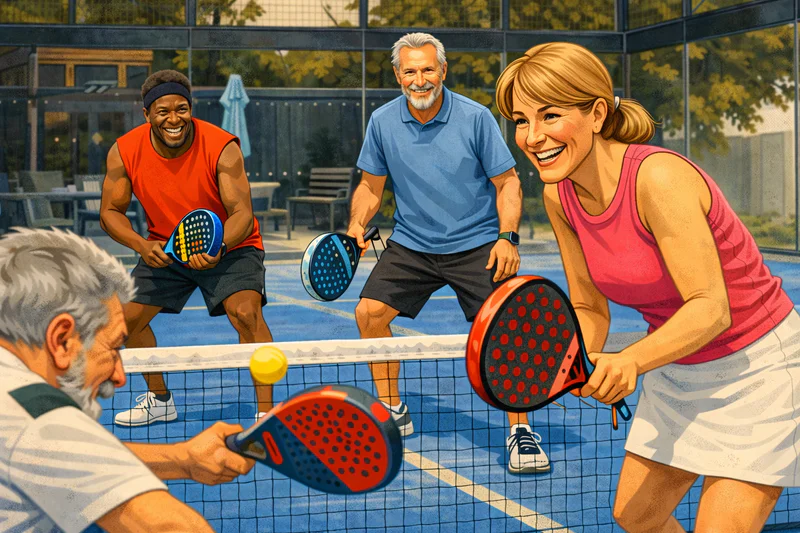
Pickleball has grown 311% in the last three years, attracting millions of players over 55 who appreciate the sport's accessibility and social nature. But jumping onto the court without proper instruction carries real risks: 85% of all pickleball injuries occur in individuals 60 and older, many of which could be prevented with age-appropriate coaching. Finding the right instructor makes the difference between a rewarding new hobby and a trip to urgent care.
Find a Pickleball Coach Near You
Ready to get started? Browse local pickleball coaches and book your first lesson:
Los Angeles · San Diego · Las Vegas · Houston · Dallas · Toronto · Salt Lake City · See all cities →
Why Pickleball Lessons Matter for Seniors
The Benefits of Professional Instruction vs. Self-Teaching
Teaching yourself pickleball by watching others play might seem economical, but it often leads to bad habits that become harder to correct over time. More critically, improper technique contributes to the 90% injury rate in adults 50 and older who play pickleball. A qualified coach spots issues with your swing mechanics, footwork, and court positioning before they cause shoulder strain or ankle rolls.
Professional instruction also accelerates your learning curve significantly. While self-taught players might spend months figuring out the nuances of the kitchen line and third-shot drops, coached beginners typically play recreational games confidently after just 4-6 structured lessons.
Understanding Senior-Specific Learning Needs
Seniors process new motor skills differently than younger players, often requiring more repetition and clearer verbal cues to cement techniques. A good coach recognizes this. They break down movements into smaller steps rather than rushing through demonstrations. They also understand that what works for a 25-year-old athlete won't work for someone managing arthritis or recovering from a hip replacement.
Physical limitations require modifications that experienced instructors know by heart. If you have limited shoulder mobility, your coach should teach you bounce serves instead of traditional serves. Balance concerns mean extra attention to proper stance and weight transfer during shots.
Types of Pickleball Lessons for Seniors
Private Lessons: Personalized Attention
Private lessons typically cost $50-100 per hour, with rates varying based on instructor credentials and location. This format gives you undivided attention to work on specific weaknesses, whether that's your backhand consistency or understanding when to move to the net. Your coach can adjust the pace entirely to your comfort level without worrying about keeping up with other students.
Private instruction works especially well for seniors with unique physical considerations that require individualized modifications. If you're recovering from an injury or managing a chronic condition, one-on-one time allows your coach to develop strategies that work specifically for your body.
Group Lessons: Social Learning
Group lessons run $10-30 per person and offer the social interaction that makes pickleball so appealing to older adults. Learning alongside peers at similar skill levels reduces performance anxiety and creates natural practice partners for future games. The group dynamic also helps you develop doubles coordination and communication skills that translate directly to real matches.
Many seniors find group settings more comfortable and less intimidating than private instruction. The camaraderie built during group lessons often extends beyond the court, forming the foundation of regular playing groups and new friendships.
Semi-Private Lessons: The Middle Ground
Semi-private lessons with 2-3 participants split the cost of private instruction while maintaining significant individual attention. This format works well for couples or friends who want to learn together and can practice with each other between sessions. You'll receive more personalized feedback than in larger groups without paying full private lesson rates.
Which Format Is Right for You?
Most instructors recommend starting with private lessons to establish proper technique and build confidence, then transitioning to group sessions once you've mastered the basics. This combination approach gives you a solid foundation while still enjoying the social benefits that make pickleball sustainable long-term.
Budget-conscious seniors might reverse this order. Start with affordable group clinics and add occasional private sessions to address specific technical issues.
How to Find Qualified Pickleball Coaches Near You
Online Coach Directories and Platforms
Pickleheads connects you with over 840 instructors across 1,342 US cities, making it the most comprehensive platform for finding local coaches. Their search engine lets you filter by certification, ratings, and pricing to find instructors who match your needs. Over 80% of Americans live within 20 minutes of an instructor listed on the platform.
TeachMe.To offers another searchable database with detailed coach profiles, backed by a 100% satisfaction guarantee. One reviewer on Trustpilot praised the platform, noting how easy it was to find a patient instructor who "didn't make me feel silly for asking basic questions about scoring." USA Pickleball's website maintains a directory of certified instructors searchable by location and certification type.
Local Parks and Recreation Departments
Municipal recreation departments frequently offer beginner clinics at subsidized rates, sometimes as low as $5-15 per session. Call your local Parks & Rec office to ask about senior-specific programs or instructor referrals. Many departments maintain lists of approved private instructors who teach at public courts.
Community centers often schedule senior-only playing times with volunteer coaches or experienced players willing to help newcomers learn the basics. These informal sessions provide a low-pressure introduction before committing to paid instruction.
Private Pickleball Facilities
Membership-based pickleball clubs typically employ resident professionals who offer lessons to both members and non-members. These coaches often have the most teaching experience since instruction forms their primary income. Facilities usually post instructor credentials and rates on their websites or at the front desk.
Facebook Groups and Community Boards
Search "[your city] pickleball" on Facebook to find local groups where members regularly share instructor recommendations. These community-sourced referrals often reveal excellent coaches who don't advertise widely but have strong reputations among local players.
Post a request specifically mentioning you're a senior looking for patient, age-appropriate instruction. You'll likely get multiple recommendations within hours.
Evaluating Pickleball Coaches: What Seniors Should Look For
Certifications That Matter
The Professional Pickleball Registry (PPR) has certified over 15,000 coaches and represents the most recognized credential in the sport. PPR certification ensures your instructor has completed standardized training in teaching methodology and sport-specific techniques.
The International Pickleball Teaching Professional Association (IPTPA) and Pickleball Coaching International (PCI) also offer respected certification programs. Certification proves a coach has invested in formal training, but it doesn't guarantee teaching experience. A newly certified instructor might have excellent technical knowledge but less practical experience working with senior students than an uncertified coach who's been teaching older adults for years.
Experience Teaching Seniors Specifically
Ask potential coaches directly: "How many senior students do you currently teach?"
Coaches who specialize in older adults understand the physical and cognitive differences that affect learning. They know which drills work best for players with limited mobility and how to explain concepts in ways that resonate with mature learners. A coach who primarily teaches competitive youth players may struggle to adjust their teaching style for seniors who need more repetition and encouragement. Look for instructors who mention senior experience prominently in their profiles or advertisements.
Teaching Style and Communication
The best technical player doesn't always make the best teacher. During your first contact with a potential coach, notice whether they listen carefully to your questions and answer in clear, jargon-free language.
Patient, approachable instructors create learning environments where you feel comfortable asking for clarification or admitting confusion. Some coaches emphasize technical precision and drilling, while others focus more on strategy and game situations. Consider which approach matches your learning style and goals. Do you want to perfect your form or just get comfortable playing socially?
Understanding of Senior Physical Limitations
Your coach should ask about any physical limitations, previous injuries, or health concerns during your initial conversation. Instructors experienced with senior students know how to modify techniques for reduced shoulder mobility, suggest positioning strategies that minimize quick lateral movements for players with knee issues, and recognize when fatigue might lead to injury.
Coaches should understand anatomy and exercise science well enough to explain why certain movements stress particular joints and how to adjust your technique accordingly. This knowledge separates instructors who can truly help senior players from those who simply teach generic pickleball skills.
Questions to Ask Before Booking Lessons
About Their Background and Credentials
Start with straightforward questions: "What certifications do you hold?" and "How long have you been teaching pickleball?"
Follow up by asking specifically about their experience with senior students and whether they've received any training in age-appropriate instruction or injury prevention. If they have competitive playing experience, ask what level they've competed at. This provides context for their technical knowledge.
About Their Teaching Approach
Ask whether they emphasize technique or strategy and how they structure beginner sessions. Understanding their typical lesson flow helps you gauge whether their style matches your preferences.
Find out if they provide homework or practice drills between sessions. Ask whether they're willing to adjust their teaching pace based on your progress.
About Pricing and Packages
Request clear information about hourly rates, package deals, and any additional costs like court fees. Many instructors offer discounts for booking multiple sessions upfront, such as "buy 5 lessons, get the 6th free."
Ask about their cancellation policy. Life happens, and you want to know if you'll forfeit payment for a lesson you need to reschedule.
About Safety and Injury Prevention
Confirm that lessons include proper warm-up routines and that your coach will teach injury prevention as part of technique instruction. Ask how they modify instruction for students with specific physical limitations.
A quality instructor should be able to describe their approach to keeping senior students safe without hesitation.
What to Expect from Your First Lessons
Robert Martinez, 68, remembers feeling overwhelmed during his first group clinic. "Everyone seemed to know where to stand and when to move," he recalls. His instructor noticed his confusion and spent an extra ten minutes after class walking him through court positioning with a simple diagram. That personal attention made all the difference. By his third lesson, Robert was the one helping newer players understand the kitchen rules.
Typical Lesson Structure and Duration
Most lessons run 60 minutes, beginning with a 10-minute warm-up that includes dynamic stretches and light movement. The main instruction portion covers 35-40 minutes of skill drills and technique work, followed by 10-15 minutes of controlled play practice where you apply what you've learned.
Your coach should explain what you'll work on at the start and provide a brief recap at the end.
Basic Skills Covered in Beginner Sessions
Your first few lessons will focus on the underhand serve, basic groundstrokes (forehand and backhand), and understanding the non-volley zone (kitchen) rules. You'll learn proper court positioning for doubles play and basic scoring, which confuses many beginners.
The dink shot (a soft shot that lands in your opponent's kitchen) typically comes after you've mastered harder groundstrokes. Instructors usually plan four to six initial lessons to cover fundamentals thoroughly enough that you can join recreational games confidently. Each lesson builds on previous skills rather than introducing completely new concepts every session.
Recommended Lesson Frequency for Seniors
Taking lessons twice weekly for the first few weeks helps cement new motor patterns while they're still fresh. Once you've completed your initial instruction series, weekly lessons provide ongoing refinement and introduce more advanced strategies.
Between lessons, practice what you've learned through open play or drilling with a partner to reinforce techniques. Many seniors find that weekly lessons fit their schedules better than twice-weekly sessions, especially if they're balancing other commitments. The key is consistent practice between lessons rather than cramming all your playing time into lesson days.
Safety Considerations for Senior Pickleball Players
Common Injuries in Senior Players
Falls account for 60% of fractures in senior pickleball players, making them the most serious concern for older adults on the court. Slips and stumbles often result from quick directional changes, reaching for difficult shots, or playing on courts with poor surface conditions.
Overuse injuries like tennis elbow and rotator cuff strains develop gradually from repetitive motions, especially in players who increase their playing frequency too quickly. Achilles tendon injuries have increased dramatically as pickleball's popularity has grown among seniors. These injuries typically occur during explosive movements like lunging for drop shots or pushing off for quick starts.
Essential Warm-Up and Stretching Routines
Spend 10-15 minutes warming up before every session with dynamic stretches that prepare your muscles for the specific movements pickleball requires. Arm circles, leg swings, and light jogging in place increase blood flow and improve range of motion.
Focus particularly on stretching your calves, hamstrings, and shoulders (the areas most prone to pickleball-related strains). Never skip warm-ups even for casual play. Your body needs preparation time regardless of how competitive the game will be.
Proper Footwear and Equipment for Older Adults
Court shoes with non-marking soles provide the lateral support and grip that running shoes lack. Tennis or volleyball shoes work well for pickleball, while running shoes increase your risk of ankle rolls during side-to-side movements.
Lightweight paddles weighing 7-8 ounces reduce strain on your shoulder and wrist, allowing for quicker reactions and longer playing time without fatigue. Smaller grip sizes around 4 to 4.25 inches provide better control and help prevent tennis elbow. Paddles with softer cores absorb more vibration, reducing stress on your joints with every shot.
When to Rest and Recognize Overuse
Start with weekly play sessions and gradually increase frequency only if your body responds well. Never push through pain. Discomfort signals that something needs attention, whether that's rest, modified technique, or medical evaluation.
Take at least one full day off between playing sessions to allow your muscles and joints to recover. Watch for signs of overuse like persistent soreness, reduced range of motion, or pain that worsens during play. These symptoms mean you need to reduce your playing frequency or intensity until they resolve.
Finding Senior-Friendly Courts and Practice Locations
Using Court Finder Tools
Pickleheads' court finder shows thousands of locations nationwide with filters for indoor versus outdoor courts, lighting for evening play, and membership requirements. USA Pickleball's Places2Play database includes user reviews that often mention whether facilities welcome beginners and seniors.
These tools let you identify multiple options near your home so you can visit and compare before committing to one location.
Senior-Specific Playing Times and Programs
Many community centers designate specific hours for senior players, typically weekday mornings when courts are less crowded. These sessions often feature modified rules, slower-paced games, and a welcoming atmosphere for newcomers.
YMCAs frequently include pickleball in senior memberships, and some facilities offer beginner-only courts where experienced players agree not to play.
Indoor vs. Outdoor Options for Older Players
Indoor venues provide climate-controlled environments that matter for seniors sensitive to heat or cold. Consistent playing surfaces reduce trip hazards compared to outdoor courts that may have cracks, debris, or uneven patches. Indoor facilities also eliminate weather cancellations, making it easier to maintain a regular playing schedule.
Outdoor courts offer natural light and fresh air that many seniors prefer, though you'll need to plan around weather and temperature extremes. Morning or evening play during summer months helps avoid dangerous heat exposure.
Cost of Pickleball Lessons for Seniors
Average Pricing by Lesson Type
Private lessons range from $50-100 per hour depending on instructor credentials and your geographic area. Coaches in major metropolitan areas or those with professional playing experience may charge $100-150 per hour.
Group lessons cost $10-30 per person per session, while clinics and workshops typically run $20-50 for a single session covering specific skills or strategies. Top-rated PPR or IPTPA certified instructors with years of experience command premium rates, but many excellent local coaches charge moderate rates around $50-75 per hour for private instruction.
Ways to Save on Instruction
Book package deals that offer discounts for multiple lessons purchased upfront, typically saving 15-20% compared to single-session rates. Many instructors on platforms like TeachMe.To are backed by a 100% satisfaction guarantee, letting you evaluate their teaching style risk-free.
Another TeachMe.To user shared on Trustpilot that the 100% satisfaction guarantee "gave me confidence that I wasn't wasting money on someone who wouldn't understand my pace." Parks and Recreation departments often subsidize lessons for residents, offering quality instruction at a fraction of private rates. Look for beginner clinics at local facilities, which provide group instruction at the lowest per-person cost while still covering fundamental skills adequately.
Getting Started: Your Action Plan
Step 1: Consult Your Doctor
Schedule a checkup before starting any new exercise program, especially if you have pre-existing cardiovascular conditions, joint problems, or balance concerns. Your doctor can identify any limitations you should communicate to your coach and may suggest specific precautions based on your health history.
This conversation also provides an opportunity to discuss whether any medications you take might affect your exercise tolerance or injury risk.
Step 2: Find and Contact Local Coaches
Use the directories and resources mentioned earlier to identify 2-3 potential instructors in your area. Contact each one with a brief message explaining that you're a senior interested in beginner lessons and asking about their experience teaching older adults.
Pay attention to how quickly they respond and whether their answers address your specific concerns. This initial interaction reveals a lot about their communication style.
Step 3: Book Your First Lesson
Start with a single private or semi-private lesson to evaluate the coach's teaching style and your comfort level. If the first session goes well, book a package of 4-6 lessons to work through the fundamentals systematically.
Don't feel obligated to commit to a long-term package until you're confident you've found the right instructor.
Step 4: Gather Basic Equipment
Purchase or borrow a lightweight paddle, invest in proper court shoes, and wear comfortable athletic clothing that allows full range of motion. Many facilities have demo paddles you can try before buying, and your instructor can provide specific recommendations based on your playing style and physical needs.
Start with basic equipment and upgrade as you develop preferences through experience.
Your First Game Awaits
The beauty of pickleball is that it meets you where you are. Whether you're 62 or 82, whether you played tennis in college or never picked up a racquet, there's a path forward that works for your body and your goals.
Start by finding one coach who understands senior learners. Book that first lesson. Show up with comfortable shoes and an open mind. The rest will follow naturally, one rally at a time.
The courts are full of people who started exactly where you are now. They worried about keeping up, about looking foolish, about whether their knees could handle it. Most of them are still playing years later, not because they became tournament champions, but because they found something that keeps them moving, laughing, and connected to a community that welcomes newcomers with open arms.
Your pickleball journey doesn't require athletic prowess or perfect technique. It just requires that first step onto the court.