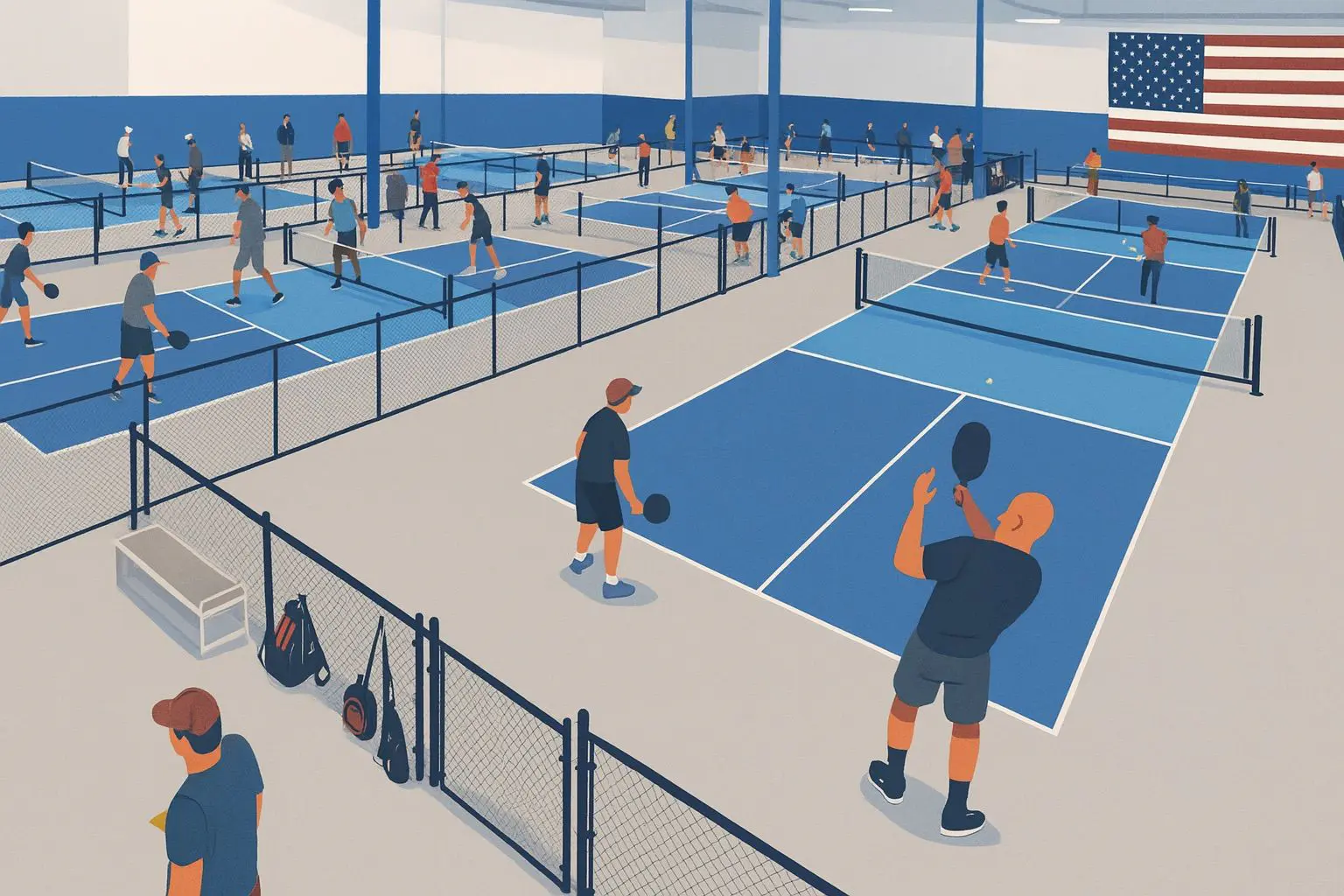
Pickleball has exploded in popularity across the United States, transforming from a niche pastime to a full-blown craze. In fact, it’s been the fastest-growing sport in America for four years running. Nearly 20 million Americans played pickleball in 2024, a 45.8% jump from the year before. This surge has given rise to thousands of local pickleball clubs, from informal community groups to dedicated indoor facilities, all nurturing a fun, social culture. If you’re a beginner or intermediate player, these clubs can be your gateway to improving your game and finding a welcoming community.
Pickleball Club Culture in the U.S.
Walk onto a pickleball court at a local club, and you’ll likely be greeted with a smile and an invitation to play. Pickleball is famously “fun, social and friendly”, the game is easy for beginners to pick up, yet can become fast-paced and competitive as skills grow. This mix of approachability and excitement has bred a unique club culture. Clubs are remarkably inclusive and multi-generational, often bringing together retirees, middle-aged folks, young adults, and even kids in the same games. As one long-time ambassador quipped, pickleball “used to be just a grandma-and-grandpa kind of sport,” but in recent years the median age of players has dropped to the late 30s. In other words, everyone is getting in on the action, from 80-year-olds to middle-schoolers, and clubs celebrate that diversity.
Another hallmark of U.S. pickleball clubs is their strong sense of community. Many clubs originated organically: just neighbors setting up impromptu games at local parks. Now, with the sport’s meteoric rise, clubs have become more organized without losing that welcoming vibe. You’ll find clubs in every corner of the country, from big-city park leagues in California and New York to small-town community center groups in the Midwest and South. USA Pickleball, the sport’s national governing body, has over 2,000 official ambassadors across all 50 states promoting local play, meaning just about anywhere you go, someone is working to grow the pickleball community. It’s not uncommon to have drop-in play sessions where anybody can show up and be included in a game. In fact, many clubs designate certain courts or times for beginners so they feel comfortable.
Beyond the social aspect, clubs also tap into pickleball’s competitive and event side. Local clubs frequently organize their own in-house leagues, ladders, or mini-tournaments. Many host social events like cookouts, potlucks, or round-robin mixers to keep things fun. Some clubs even rally around causes, it’s not unusual for a pickleball tournament to double as a charity fundraiser, showing how clubs bring people together for good causes. Whether you’re playing casually or gearing up for a tournament, being part of a club means you have a network of fellow players to learn from and cheer you on.
Crucially, pickleball clubs are helping manage the exploding demand for places to play. With so many new players, public courts can get crowded. Clubs often work with local parks to schedule court times, or they establish dedicated facilities to ensure members have consistent access to courts year-round.
Benefits of Joining a Pickleball Club

Why join a pickleball club? If you’re new or looking to level up from intermediate, being in a club offers far more than just a court to play on. Here are some key benefits for skill development and enjoyment:
Community and Social Connections: Clubs welcome players of all skill levels in a friendly environment. It’s a great way to make new friends and find regular playing partners right away.
Organized Play and Events: Rather than always scrambling to find a game, club members enjoy structured play opportunities.
Skill Development (Clinics and Coaching): One huge benefit for beginners and intermediates is access to coaching and clinics. Many clubs offer beginner clinics, skill workshops, or have experienced players willing to give tips.
Access to Facilities and Equipment: Clubs often ensure you have a place to play, even when public courts are packed. Membership may come with access to dedicated pickleball courts or reserved court times. Some clubs provide amenities like practice walls, ball machines, or loaner gear.
Events and Structured Fun: Beyond regular play, clubs spice things up with social events and special activities. Think holiday pickleball parties, skills clinics for 2.5–3.0 players, themed round-robins, or inter-club meets. These events are not only a blast, but they also challenge you in new ways and deepen your connection to the sport.
In short, joining a club can accelerate your learning curve and amplify the fun factor. You’ll improve faster by playing regularly with others, get guidance when you need it, and have a built-in community to support you.
Real Insights from Players and Coaches
Perhaps the best way to understand the impact of clubs is to hear from those involved. Players and coaches across the U.S. often rave about how clubs have helped them.
For example, many newcomers talk about the instant camaraderie they’ve found. “I love the community of pickleball players… it’s such a diverse group,” said one recreational player, noting that on any given day “an 80-year-old can play with a middle schooler” in this sport. That mix of ages and skill levels is something you don’t see in many other sports, and it’s fueled by the inclusive nature of club play.
Experienced club organizers emphasize creating a welcoming atmosphere for beginners. John MacLatchie, co-founder of a pickleball club that runs newbie clinics, summarized why these clubs are so important: “It’s important to bring people together like this and introduce them to pickleball in a low-pressure, fun environment. It’s a great way to foster new friendships, help build the community, and ignite a spark that could transition into a love for the sport that we all share.”
Longtime coaches also note how club settings can boost a player’s development. Many will tell you that practicing with a variety of partners teaches adaptability and strategy in a way solo practice can’t. Clubs often pair up stronger players with beginners for casual games, giving less experienced players on-court mentoring.
The bottom line from those in the know: pickleball clubs are a beginner’s best friend. They create a supportive playground for learning and a springboard into a lifelong hobby. If you ask club players what keeps them coming back, you’ll hear things like “the people here are awesome,” “I improved so much by playing regularly,” and “I never thought I’d be competing in tournaments, but my clubmates encouraged me!” The mix of friendship and improvement is what makes these clubs special.
Finding Pickleball Clubs Near You
By now you might be thinking, “This sounds great, so how do I find pickleball clubs near me?” Luckily, it’s easier than ever. Thanks to pickleball’s popularity, chances are high that there’s a club or open-play group in your area, or at least a public court where players gather.
Here are some tips to find local clubs and courts:
Use Online Tools: A simple web search for “pickleball clubs near me” is a good start. There are also dedicated directories, for example, USA Pickleball’s “Places 2 Play” map and the Pickleheads.com database list thousands of locations and clubs across the U.S..
Check Social Media and Meetups: Many local pickleball communities organize via Facebook or Meetup. Try searching Facebook for “pickleball” plus your city or county.
Ask at Parks and Recreation Centers: Your city’s parks & rec department is often involved in pickleball. They might run beginner classes or maintain courts. Stop by your local community center or park office and ask if there’s a pickleball club or scheduled play times.
Leverage Pickleball Ambassadors: USA Pickleball Ambassadors are volunteers who help grow the sport locally. There are over 2,000 of them around the country. On USA Pickleball’s website, you can find contact info for your regional ambassador under the “Communities & Clubs” section.
How to Join a Pickleball Club
If you’re wondering exactly how to join a pickleball club, don’t worry, it’s usually very straightforward. Pickleball clubs tend to be informal and eager to welcome new players. Here’s a general guide to joining and getting involved:
Reach Out or Drop In: Some clubs have a formal membership you sign up for, while others are just open gatherings. If the club has a website or Facebook page, it may have contact info or a schedule. Send a quick email or message saying you’re a beginner interested in joining, clubs love that!
Attend a Beginner Session: Many clubs have specific beginner clinics or newcomer orientations. This could be a weekly class or a short intro before open play. Taking advantage of these will help you learn the basics and meet other newbies.
Membership and Fees: Find out if the club requires a membership or fees. Many community clubs are free or have a nominal annual fee. Indoor dedicated clubs or those at facilities might have monthly dues or drop-in fees.
Get in the Communication Loop: Once you’re “in,” make sure you’re in the know. This could mean joining the club’s WhatsApp or email list, or becoming a member of their Facebook group.
Etiquette and Openness: When you start attending club play, bring a positive attitude and be ready to say hello. Pickleball clubs have a culture of mixing players, so you might be invited to partner up with different people each game. It’s polite to rotate and not always stick with the same partner, especially as a newcomer. Also, don’t hesitate to ask questions, if you’re unsure about a rule or how the rotation works, just ask a fellow player.
Once you’ve joined a club, enjoy the journey. You’ll find yourself improving over time almost without noticing, just because you’re playing more and having fun. Many beginners report that after a few months in a club, they went from barely keeping a rally going to confidently playing games and even entering low-key tournaments. As your skills grow, you can start helping the next batch of newcomers, that’s the pickleball way!
Get Out and Play
Joining a pickleball club is hands-down one of the best moves a beginner or intermediate player can make. It’s an opportunity to learn, laugh, and compete in a supportive community that spans all ages and backgrounds. Pickleball clubs across the U.S. are fueling the sport’s incredible growth by opening their arms to new players and turning them into lifelong enthusiasts. So if you’re itching to improve your game or just make some new friends while staying active, find a local club and give it a try, you won’t be disappointed.
And remember, club play is just the beginning. Many players complement their club experience with a bit of one-on-one instruction to fast-track their skills. If you’re looking for personalized coaching, you can easily book a 1:1 pickleball lesson through TeachMe.To, a platform that connects you with qualified pickleball coaches in over 1,300 cities. A private lesson or two can boost your confidence and technique, making your club games even more enjoyable.
Game on! Whether you’re dinking with new friends at the local park or taking a lesson to perfect your serve, the important thing is to have fun and keep playing. The pickleball community is ready to welcome you, so grab a paddle, head to a club near you, and see what all the excitement is about. Happy pickling!
Find a Pickleball Coach Near You
Ready to get started? Browse local pickleball coaches and book your first lesson:
Los Angeles · San Diego · Las Vegas · Houston · Dallas · Toronto · Salt Lake City · See all cities →