A high school player in Ohio spent three months with a coach who promised Division I-level training. The sessions felt generic, the feedback vague, and progress stalled. When she switched to a USA Basketball-licensed coach with verified credentials and specific experience developing guards, her shooting percentage jumped 18% in six weeks.
Finding a reputable basketball coach means verifying credentials, assessing teaching style compatibility, and confirming a track record of developing players at your skill level. The right coach accelerates improvement through personalized feedback and structured training, while the wrong one wastes time and money.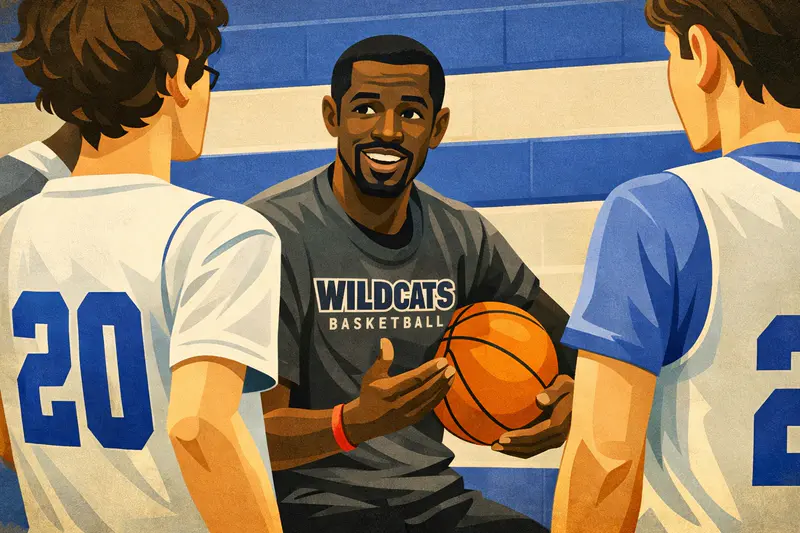
What Makes a Basketball Coach Reputable?
Essential Certifications and Credentials
The USA Basketball Coach License stands as the most widely recognized certification in the sport, covering safety protocols and comprehensive coaching education. National Association of Basketball Coaches (NABC) certification validates expertise in game strategy, player development, and team management.
The Certified Basketball Coach (CBC) credential from the American Coaching Academy focuses on offensive and defensive strategies alongside player development. All coaches working with athletes should hold current CPR and first aid certifications.
Experience and Track Record
Previous playing experience provides practical insight into game strategy, teamwork, and leadership that purely academic knowledge cannot replicate. A coach's history of developing successful athletes at your target level matters more than impressive personal playing credentials.
Review how many years they've coached, what skill levels they've worked with, and whether their former students achieved measurable improvements. Ask current and former players about their experience to get unfiltered perspectives on coaching effectiveness.
Safety and Background Checks
Industry best practice requires annual background checks for anyone working with minors, including coaches, referees, and volunteers. These screenings typically cost $10-50 and should include SSN validation and national criminal searches.
Safeguarding training and valid certificates are mandatory for youth coaches in most legitimate programs. The USA Basketball Coach License program integrates background checks into its licensing process.
Communication and Teaching Style
Great coaches communicate defensive and offensive philosophy in ways each player can understand and execute. Effective coaches adapt to individual learning styles and skill levels, showing patience while maintaining appropriate challenge.
Some coaches emphasize tactical game strategies and basketball IQ, while others focus intensely on fundamental skills like shooting form and footwork. Understanding these differences helps you find compatibility with your specific development goals.
Where to Find Qualified Basketball Coaches
Online Coaching Platforms
TeachMe.To connects learners with verified basketball instructors through a platform designed for in-person private lessons. The marketplace features comprehensive instructor profiles with transparent community reviews, flexible scheduling, and convenient booking.
TeachMe.To's 100% satisfaction guarantee lets new students try a coach risk-free before committing to ongoing training. With over 61,312 lessons delivered last year and a 4.8 TrustScore from 601 Trustpilot reviews, the platform streamlines the search process by pre-vetting coaches and displaying their credentials, experience, and student feedback in one place.
The platform's review system provides detailed insights from actual students about teaching style, communication responsiveness, and skill development results. You can filter coaches by location, specialty areas, experience level, and availability to find matches that fit your schedule and training needs.
TeachMe.To handles payment processing and scheduling logistics, letting you focus on training rather than administrative coordination. The satisfaction guarantee and transparent pricing eliminate common friction points when hiring private coaches.
Find a Basketball Coach Near You
Ready to get started? Browse local basketball coaches and book your first lesson:
Chicago · Los Angeles · Houston · New York · See all cities →
Local Resources and Recommendations
Local courts and gyms provide valuable recommendations from other coaches and players who've worked with trainers firsthand. Community centers often host clinics where you can observe coaching styles before committing to private sessions.
High school and college trainers frequently offer personal lessons outside team obligations, bringing institutional-level expertise to individual training. Word-of-mouth referrals from players with similar skill levels and goals often surface coaches who specialize in your development areas.
Evaluating Coach Profiles and Reviews
Read multiple testimonials rather than cherry-picking a few positive ones, since angry clients post negative reviews more frequently than satisfied ones share praise. Look for patterns in feedback about communication style, punctuality, session structure, and measurable progress.
Verify certifications through issuing organizations rather than taking profile claims at face value. Check response times by sending initial inquiries to gauge professionalism and communication habits before booking.
Private vs. Group Basketball Lessons
Benefits of Private Coaching
Personalized attention means coaches tailor every drill and feedback point to your specific weaknesses and goals rather than teaching to the middle of a group. Immediate feedback on technique, footwork, and decision-making accelerates learning by correcting mistakes before they become ingrained habits.
Faster progression results from training at your exact skill level without waiting for slower learners or struggling to keep pace with advanced players. Customized focus lets you concentrate on position-specific skills, whether that's ball-handling for guards or post moves for forwards.
When Group Lessons Make Sense
Affordability makes group sessions accessible at $30-50 per person compared to private rates. Team dynamics practice develops chemistry, communication, and the ability to read teammates' movements in game-like situations.
Peer motivation pushes players harder than solo training, as healthy competition naturally emerges during drills. Social learning exposes you to different playing styles and approaches that broaden basketball IQ.
Cost Comparison and Value
Private basketball training costs $50-150+ per hour based on the coach's experience, credentials, and location. Entry-level coaches charge $30-50 per session, while experienced trainers typically fall in the $60-90 range.
Top-tier coaches with professional playing backgrounds or elite credentials command $150+ per hour for specialized training. Package deals and monthly memberships often reduce per-session costs while encouraging consistent training habits.
Red Flags When Choosing a Basketball Coach
Warning Signs to Watch For
Inconsistent communication patterns like taking weeks to respond but suddenly showing interest when you follow up signal disorganization or lack of professionalism. Generic outreach that doesn't reference your specific skill set or goals suggests mass messaging rather than genuine interest.
High player turnover rates often indicate athletes are unhappy and leaving for legitimate reasons. Coaches who talk in negative or degrading tones create toxic environments that damage confidence rather than building skills.
People-pleaser coaches who prioritize making you feel good over actual development waste your time and money. Lack of verifiable credentials or evasiveness about certifications should immediately disqualify a candidate.
Questions to Ask Potential Coaches
Verify certifications by asking for license numbers you can check with issuing organizations. Request their coaching philosophy and how they structure typical sessions to assess alignment with your learning style.
Ask about experience with players at your current skill level and what measurable improvements they've helped similar students achieve. Inquire about safety protocols, especially background check completion dates and first aid certification status.
What to Expect from Quality Basketball Coaching
Coach Responsibilities and Focus Areas
Quality coaches develop fundamental skills like dribbling, footwork, shooting, rebounding, and passing through structured progression. They monitor physical conditioning to prevent overextension and injury while building appropriate strength and endurance.
Coaches establish practice sessions reviewing strategies based on your abilities and upcoming challenges. Advanced instruction covers court vision, decision-making, and basketball IQ beyond pure physical skills.
Making the Most of Trial Sessions
Try multiple coaches' trial sessions before committing, since many offer strong coaching with subtle differences in style and approach. Assess how clearly they explain concepts, whether feedback feels actionable, and if their personality meshes with your learning preferences.
A coach confident in their abilities will readily offer trial sessions, knowing the experience typically converts prospects into clients. Use these sessions to evaluate communication clarity, session structure, and whether you feel challenged without being overwhelmed.
Special Considerations for Youth Basketball
Age-Appropriate Training Methods
Most parents report taking training seriously around ages 10-12, when professional intervention feels necessary for continued development. Training at this age should emphasize fun while teaching dedication and discipline in lighthearted ways.
Youth coaches should stress mastering basics like dribbling, shooting, and passing rather than advanced concepts. The best youth trainers balance skill development with enjoyment to maintain engagement and prevent burnout.
Youth Safety Requirements
Mandatory background checks and valid safeguarding certificates are non-negotiable for coaches working with children. Criminal background checks must be completed before coaches have any access to young players.
Parents should verify these credentials directly rather than assuming youth programs have handled screening. Annual re-screening ensures coaches maintain eligibility as circumstances change.
How TeachMe.To Simplifies Finding the Right Coach
TeachMe.To's vetting process verifies coach credentials, background checks, and qualifications before profiles go live on the platform. The review system aggregates feedback from actual students who've completed lessons, providing reliable insights into teaching effectiveness and professionalism.
The Free First Lesson policy removes financial risk from trying new coaches, letting you assess compatibility before investing in packages. Transparent pricing, secure payment processing, and straightforward scheduling eliminate the awkward negotiations and administrative hassles that often complicate private coaching arrangements.
Frequently Asked Questions
What certifications should a basketball coach have?
Look for USA Basketball Coach License, NABC certification, or credentials from the American Coaching Academy as baseline qualifications. CPR and first aid certification should be current, and background checks are mandatory for anyone coaching minors.
How much do basketball lessons typically cost?
Private lessons range from $50-150 per hour depending on coach experience, location, and your skill level. Group sessions cost $30-50 per person, with package deals often reducing per-session rates.
Should beginners start with private or group lessons?
Private lessons accelerate skill building through personalized attention and immediate feedback tailored to your specific needs. Group lessons offer affordability and social learning but provide less individualized instruction.
How do I verify a coach's background?
Request certification numbers and verify them directly with issuing organizations like USA Basketball or NABC. Ask for documentation of completed background checks and safeguarding training, particularly for youth coaches.
What questions should I ask during a trial lesson?
Ask about their coaching philosophy, how they structure typical sessions, and their approach to tracking progress. Inquire about experience developing players at your skill level and what measurable improvements you should expect.
At what age should kids start basketball coaching?
Structured training typically begins around ages 10-12, though younger children can benefit from fundamentals-focused instruction that emphasizes fun. The key is matching training intensity and complexity to developmental readiness rather than following rigid age cutoffs.