How to Find a Pickleball Court Near You
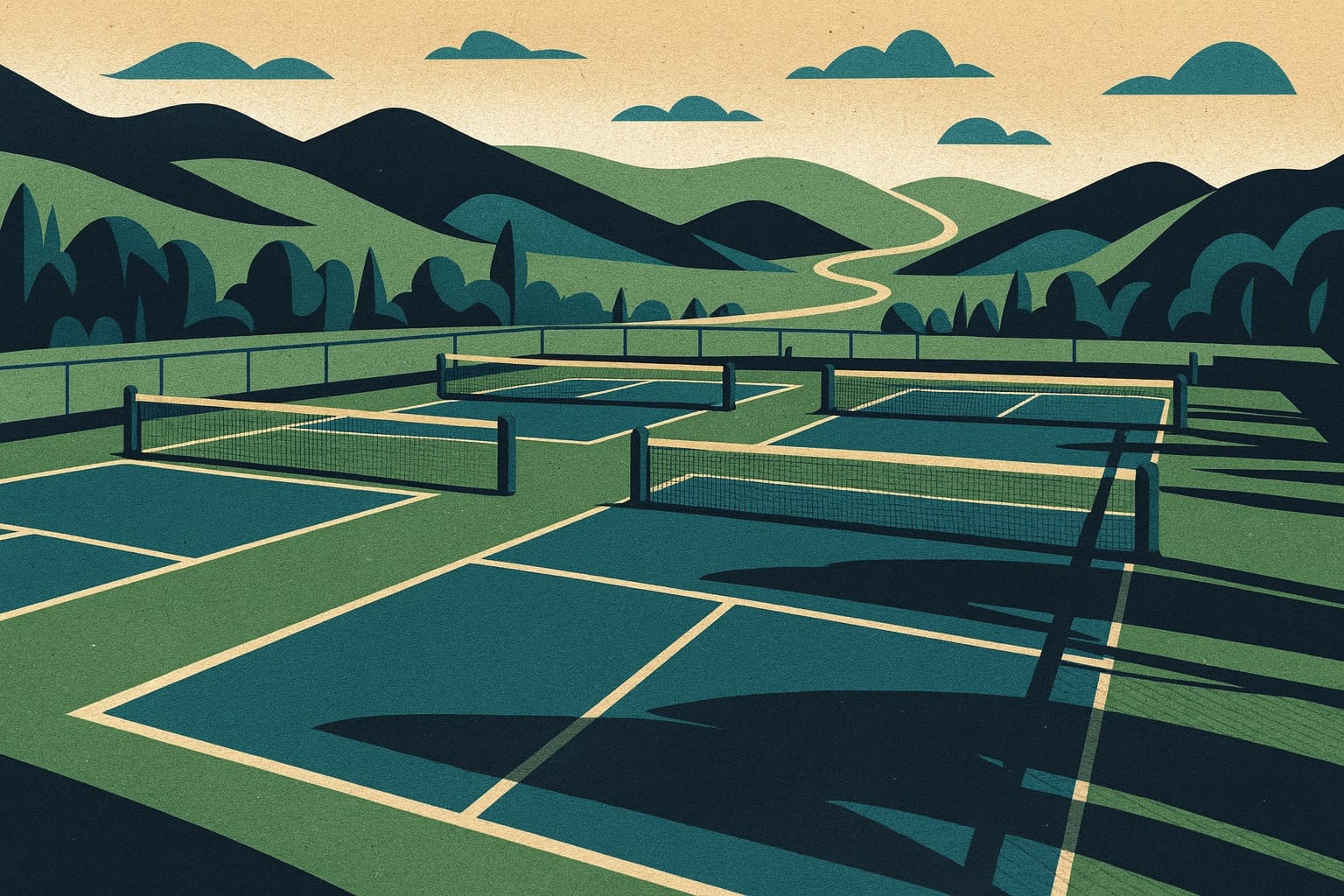
So, you’ve been bitten by the pickleball bug. Welcome to the club! You’ve heard the satisfying pop of the ball, you understand the kitchen (and the vital importance of staying out of it), and you're officially ready to play. There’s just one small hurdle: where do you actually find a court?
Don’t worry, you’re not alone. With pickleball’s explosive growth, finding a place to play can sometimes feel like trying to get into a secret club. But here's the good news: courts are popping up everywhere, from local parks to dedicated facilities.
This guide will walk you through exactly how to find a pickleball court in your area and, just as importantly, what to look for to make sure you have a great time.
Your Ultimate Guide to Finding Local Pickleball Courts
You don't need a secret password to find a great court. Whether you're looking for a free spot to practice your dinks or a premium court for a competitive match, here are the best ways to start your search.
1. Public Parks and Recreation Departments
This is your ground zero. Your local Parks and Rec department is the best place to start looking for free or low-cost courts. Most cities and counties have a website with a "Facilities" or "Parks" directory. Just search for "pickleball," and you’ll likely find a list of public parks with either dedicated pickleball courts or tennis courts that have been lined for pickleball.
Pros: They are usually free, which is a huge plus. It’s a fantastic way to meet other players in your community and enjoy a relaxed, social atmosphere that’s perfect for beginners.
Cons: The secret is out! Public courts can get crowded, especially in the mornings and evenings. You may have to wait your turn, but that’s a great chance to watch and learn. Using free public courts is a budget-friendly way to get started, much like practicing soccer or basketball at a local park.
2. Online Court Finders and Apps
Let technology do the heavy lifting. There are several amazing websites and apps designed specifically to help you find a place to play, no matter where you are.
USA Pickleball’s Places 2 Play: This is the official database from the sport’s governing body. It’s comprehensive, regularly updated, and lets you search by zip code to find courts, hours, and any associated costs.
Pickleball Courts: Another fantastic resource with an easy-to-use map feature. It often includes user comments with helpful tips about specific locations.
Global Pickleball Network (GPN): This site not only helps you find courts but also connects you with other players. You can find leagues, ladders, and tournaments, making it a great next step when you’re ready for more organized play.
3. Dedicated Pickleball and Tennis Clubs
If you're looking for a more premium experience, check out private clubs. These facilities often require a membership or a daily drop-in fee, but they come with serious perks: perfectly maintained courts, online reservations (no waiting!), and amenities like pro shops and locker rooms. A quick Google search for "pickleball club near me" or "indoor pickleball courts" should reveal some local options. Just like with high-end soccer academies or basketball training centers, you're paying for quality, convenience, and top-notch facilities.
4. Community Centers and YMCAs
Don't forget to look indoors! Many local YMCAs and community centers have converted their basketball courts or gymnasiums for pickleball play. This is a lifesaver during bad weather, scorching hot summers, or cold winters. Check their websites or give them a call to find their drop-in pickleball schedule.
5. Facebook Groups and Social Media
This is the insider’s trick. Hop on Facebook and search for "[Your Town] Pickleball Group." Almost every community has one. These groups are an absolute goldmine. Members post daily about which courts are busy, organize impromptu games, and share information about local tournaments. It's the fastest way to get plugged into the local pickleball scene.
From Court-Seeker to Pro: What to Look For
Okay, you’ve found a few potential spots. But not all courts are created equal. Here’s a quick checklist to help you pick the best place to play.
The Court Surface: A good game starts with a good surface. Look for a court that is smooth and free of major cracks or holes. Uneven surfaces can cause unpredictable ball bounces and, more importantly, create a tripping hazard.
The Net System: The official pickleball net height is 36 inches at the sidelines and 34 inches at the center. A permanent, sturdy net is ideal, but a high-quality portable net that’s set up correctly works perfectly fine.
Good Lighting: If you’re a night owl or an early bird, proper lighting is non-negotiable. Poorly lit courts make it tough to track the ball, especially during fast volleys at the net.
Fencing and Space: Nothing ruins a great rally like chasing your ball into a parking lot. Good courts have fences to keep the game contained. Also, make sure there’s enough space behind the baseline and on the sidelines so you can move safely without worrying about running into a fence or an adjacent court.
The Vibe and Culture: Every court has its own personality. Some are hyper-competitive, while others are more social and laid-back. Many public courts use a "paddle stacking" or "paddle rack" system to manage who plays next. You simply place your paddle in the next available slot to claim your spot in line. Observing the local customs is a great way to fit in and make new friends.
You Found a Court. Now What?
Finding a court is the first step. The next, and most exciting, step is improving your game. Playing with friends is fun, but if you really want to get better, nothing beats getting some expert guidance.
Lessons can transform your game, building skills and confidence that make playing even more enjoyable. Just like in soccer or basketball, a good coach can pinpoint areas for improvement and give you personalized feedback that accelerates your learning. They can help you master the third-shot drop, develop a wicked serve, or finally understand doubles strategy.
Consider these options:
Group Lessons: This is a cost-effective and social way to learn. You’ll learn fundamental skills in a fun environment and get to practice with players at a similar level.
Private 1-on-1 Lessons: For truly individualized attention, nothing compares to one-on-one coaching. A private coach can tailor every drill and piece of advice to your specific needs, helping you achieve your goals much faster.
The confidence you build from mastering a new skill on the court often carries over into other parts of your life. You learn discipline, the value of practice, and how to work with a partner—all while having a blast.
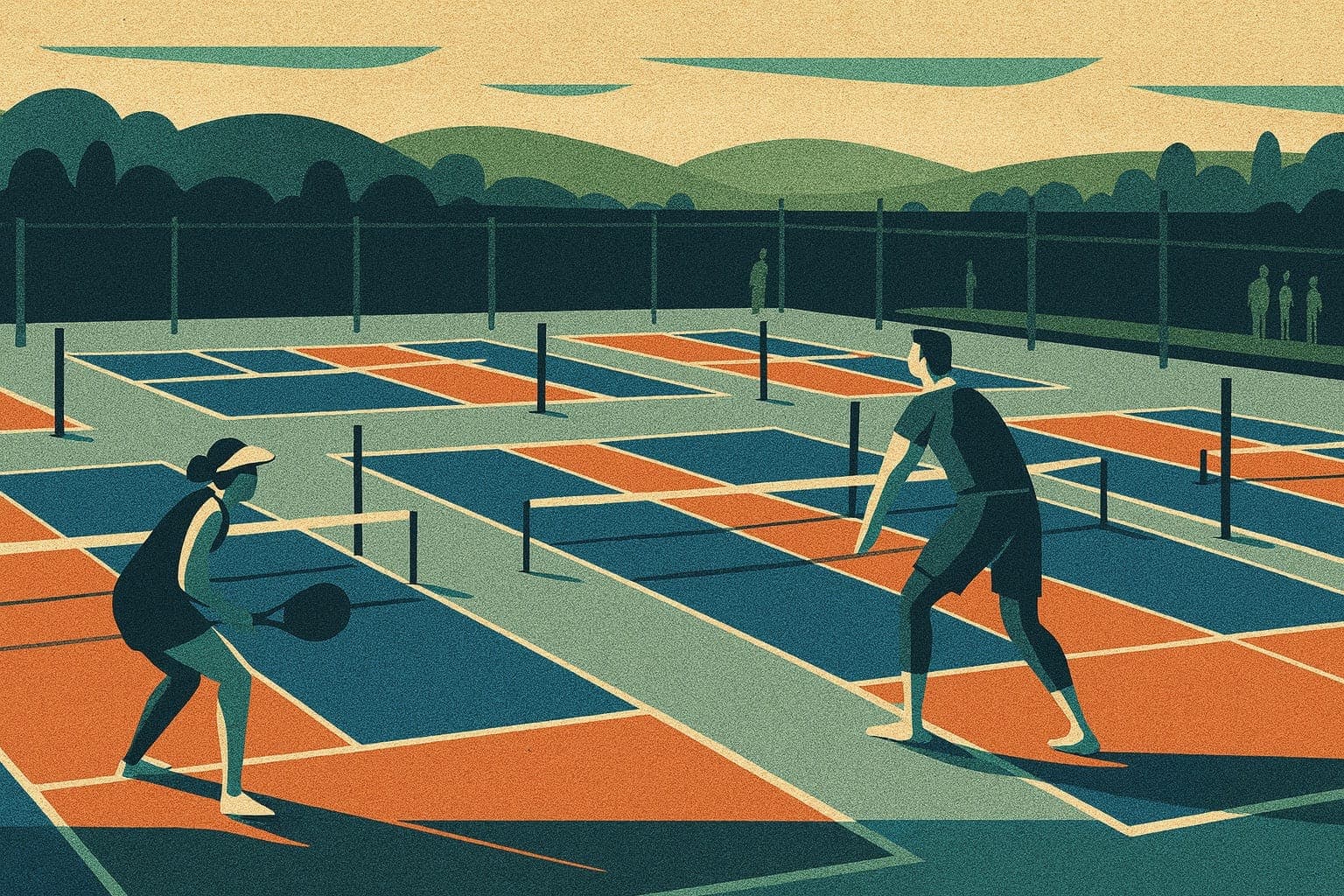
Ready to Hit the Courts?
Finding a pickleball court near you is easier than you think. Use the tools available, explore your local options, and don’t be afraid to introduce yourself to other players.
At the end of the day, it's all about having fun and falling in love with the game. As soccer legend Mia Hamm said about her own journey, find the "little girl who fell in love with the game and never looked back… play for her". Keep that joy at the heart of it all, and you can’t lose.
When you’re ready to take your skills to the next level, check out TeachMe.To to find friendly, vetted pickleball coaches in your area.