
You've played enough recreational pickleball to know you need help. Your third shot drops sail long, your dinking consistency is spotty, and you're tired of picking up bad habits from open play. The question isn't whether to hire a coach—it's how to find one who actually knows what they're doing.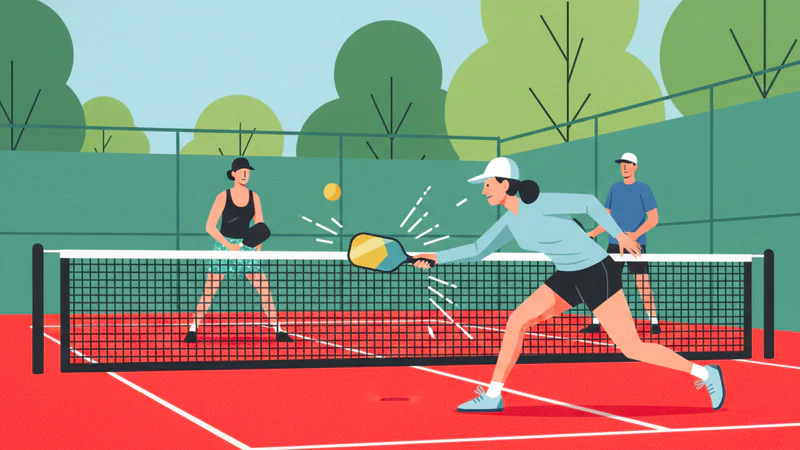
With pickleball growing by over 150% since 2020 and reaching 13.6 million U.S. players, qualified instructors are in high demand but not always easy to identify. This guide walks through the certifications that matter, the qualifications beyond a piece of paper, and the specific questions that separate excellent coaches from well-meaning amateurs.
Understanding Pickleball Coach Certifications
Major Certification Organizations (PPR, PCI, IPTPA, RSPA)
USA Pickleball recognizes four official certification partners: Professional Pickleball Registry (PPR), Pickleball Coaching International (PCI), International Pickleball Teaching Professional Association (IPTPA), and Racquet Sports Professionals Association (RSPA, formerly USPTA). Each organization offers structured training programs with different approaches to instructor development.
PPR and PCI serve as the primary certification bodies, while IPTPA has built a reputation for rigorous continuing education requirements. RSPA brings decades of racquet sports experience but requires candidates to already hold tennis certification before adding pickleball credentials.
What Certification Actually Means
Certification verifies that an instructor has passed three core competency areas: skills testing, teaching observation, and written examination. PPR certification requires demonstrating acceptable competence in all three domains, not just playing ability.
The IPTPA skills test demands 80% accuracy across forehand and backhand dinks, drop shots, volleys, groundstrokes, serves, and overheads with proper technique. Teaching observations evaluate whether instructors can actually communicate concepts clearly and adjust their approach based on student comprehension.
Written exams test rule knowledge, strategy understanding, and teaching methodology. PPR's online test includes 96 multiple-choice questions, while IPTPA requires 50 questions with an 80% minimum passing score.
Certification Levels Explained
Most organizations offer tiered certification levels that indicate experience and competency differences. PPR provides three levels: Associate Coach, Coach, and Pro, with most instructors falling into the Coach category.
IPTPA's Level I certification qualifies instructors to introduce the sport to new communities and work with beginner players only. Level II certification allows instructors to work with intermediate and advanced players, reflecting deeper technical knowledge and teaching experience.
Essential Qualifications Beyond Certification
Teaching Experience and Playing Background
Years spent teaching matter more than tournament trophies. An experienced instructor possesses thorough understanding of anatomy, physiology, and exercise science that translates technical knowledge into progressive skill development.
Playing credentials add strategic insight but don't guarantee teaching ability. A 5.0-rated player who started coaching last month will likely struggle more than a 4.0-rated instructor with five years of teaching experience and hundreds of students.
Liability Insurance Coverage
Professional instructors should carry minimum $1 million liability coverage to protect both themselves and students in case of injury. PPR membership includes up to $6 million per occurrence coverage, while IPTPA provides access to liability insurance for certified professionals.
Instructors without organizational insurance should carry independent policies. Ask for proof of current coverage before booking lessons, particularly for private instruction at public facilities.
Background Checks (Especially for Kids' Instruction)
Organizations should conduct criminal background checks, especially for instructors working with children or in school settings. This protects both clients and the organization's reputation.
Request confirmation of background screening completion before enrolling children in programs. Pickleball Coaching International requires recent clear criminal background checks for instructors accessing their insurance program in Canada.
Continuing Education Requirements
The best instructors stay current with evolving techniques and teaching methodologies. IPTPA requires 2 continuing education units annually to maintain certified status, ensuring instructors engage with new instructional content regularly.
Ask potential coaches about recent workshops, seminars, or advanced training they've completed. Instructors who invest in their own development typically deliver better student outcomes.
Evaluating Teaching Style and Communication
Assessing Communication Clarity
Communication skills form the foundation for creating rapport and helping students understand complex concepts. Watch how instructors explain techniques during group clinics or ask about their teaching approach during initial consultations.
Effective coaches articulate instructions clearly, provide constructive feedback without overwhelming students, and adjust explanations when initial descriptions don't land. If an instructor can't explain why a technique works or uses only vague descriptions like "just feel it," communication problems will limit your progress.
Structured Lesson Planning
Quality coaches build each lesson on previous sessions to create consistent skill progression rather than jumping randomly between topics. This structured approach helps you become a stronger player faster than practicing solo or with friends.
Ask potential instructors how they structure a typical 4-6 week progression for someone at your skill level. Coaches with clear curriculum frameworks can articulate specific milestones and how they'll help you reach them.
Coaching Philosophy and Personality Fit
Teaching approaches vary widely between technical detail-oriented instruction and encouragement-focused motivation. Some instructors break down biomechanics extensively, while others emphasize repetition and positive reinforcement.
A pickleball coach should be warm, friendly, and a pleasure to be around. While they instruct and correct your form, you should genuinely enjoy their company and look forward to lessons.
Critical Questions to Ask Potential Coaches
About Their Background
Start by asking how many years they've been teaching pickleball specifically, not just playing. Find out about their coaching background and which certifications they hold from recognized organizations.
Request player success stories that demonstrate coaching effectiveness. Coaches who can describe specific students who improved from 3.0 to 3.5 or corrected persistent technical problems show evidence of teaching impact beyond theoretical knowledge.
About Lesson Structure
Clarify typical session length, how they structure curriculum progression, and their approach to goal-setting. Look for coaches who will discuss your specific goals and can help evaluate whether those goals are realistic given your starting point and time commitment.
Ask whether they customize lessons to individual needs or follow a standard curriculum for all students. The best instructors adapt their approach based on your learning style, physical limitations, and competitive aspirations.
About Pricing and Packages
Confirm hourly rates for private instruction, whether they offer package discounts, and their cancellation policy. Ask explicitly whether court fees are included in lesson pricing or charged separately.
Many instructors offer discounts for booking multiple lessons upfront, with common deals like "buy 5 lessons, get the 6th free" providing 15-20% savings per session. Compare total package costs rather than just hourly rates when evaluating options.
About Their Specializations
Determine whether they focus on beginners, competitive players, specific techniques like dinking or serving, or particular age groups. For beginners rated 1.0 to 2.5, coaches should focus on basic rules and techniques with friendly, hands-on instruction for proper grips and court positioning.
Instructors who specialize in tournament preparation bring different expertise than those focused on recreational skill development. Match their specialization to your actual needs rather than aspirational goals.
Private Lessons vs. Group Sessions
When to Choose Private Instruction
Private lessons deliver the fastest skill improvement for correcting specific form issues, addressing persistent weaknesses, or preparing for competitive play. On average, private pickleball lessons cost between $50 to $100 per hour, with some facilities including court time in their pricing.
One-on-one instruction allows coaches to focus entirely on your mechanics, provide immediate feedback, and adjust pacing to your comprehension speed. This personalized attention accelerates learning but comes at premium pricing.
Benefits of Group Lessons
Group lessons typically cost $10-30 per person per hour when joining small groups of 4-8 players, making them far more affordable as the instructor's fee is shared. Group settings provide peer learning opportunities and social aspects that many recreational players value.
You'll see different playing styles, learn from others' mistakes, and build practice partnerships for open play. The tradeoff is less individualized attention and slower progression on personal weaknesses.
Hybrid Approach for Best Results
Many players use a mix of both formats, taking monthly private lessons to work on specific technical issues and attending weekly group clinics for regular practice and reinforcement. This combination balances cost efficiency with personalized correction.
Schedule private sessions when you hit skill plateaus or develop bad habits that group instruction can't address. Use group lessons for consistent practice and applying techniques learned privately.
Special Considerations for Kids' Pickleball Instruction
Youth-Specific Certifications
IPTPA offers specialty certifications for youth instruction that cover age-appropriate teaching methods, developmental considerations, and engagement strategies for younger players. These credentials indicate instructors understand how children learn differently than adults.
Look for coaches who can explain how they modify instruction for different age groups. Teaching 7-year-olds requires fundamentally different approaches than teaching teenagers.
Safety Standards and Court Modifications
Kids ages 7-13 should be introduced to equipment, simple ball striking, game fundamentals, court safety, and etiquette during group instruction. Important safety guidelines include wearing appropriate footwear with non-marking soles and ensuring courts are free from hazards.
For elementary-age children, all balls must bounce once with no volley allowed to minimize injury risk. Instructors should implement modified rules and proper equipment sizing based on age and physical development.
Background Check Verification
Mandatory criminal screening applies to any instructor working with minors. Organizations should conduct criminal background checks especially when instructors work with children to protect clients and maintain program reputation.
Request confirmation documentation before enrollment. Reputable youth programs will readily provide this information without hesitation.
Red Flags and Warning Signs
Lack of Formal Certification
Many players are being taught by tennis and racquetball professionals who lack pickleball background, or by well-meaning players providing poor or incorrect instruction. Avoid self-taught instructors or tennis pros without pickleball-specific training, as sport techniques differ significantly.
Beginners and intermediate players taught tennis strokes often struggle to develop consistent dinking or understand the importance of third shot drops. These fundamental differences make sport-specific certification valuable.
Poor Communication or Punctuality
If an instructor shows up late for lessons, this is unacceptable given you've paid for specific time. Late arrivals, unclear explanations, or inability to answer rule questions indicate unprofessional or inadequately trained instructors.
Watch for coaches who can't articulate why they're teaching specific techniques or who dismiss your questions. Regardless of how proficient your instructor is, the information is useless unless they can convey it clearly.
No Structured Curriculum or Goal Planning
Random drills without progression plans or refusing to discuss your specific improvement goals signals ineffective coaching. Good coaches build lessons on prior sessions to create consistent skill development and can articulate how each session fits into your overall improvement arc.
If an instructor can't explain what you'll work on over the next month or how they'll measure progress, find someone with a more structured approach.
How to Find Qualified Coaches in Your Area
Using Certification Organization Directories
Search PPR, PCI, IPTPA, and RSPA member directories filtered by location to find certified instructors nearby. Upon certification, instructors are listed and promoted on the certification organization's website as certified teaching professionals.
These directories typically include certification levels, specializations, and contact information. Cross-reference instructors across multiple directories to verify credentials and see which organizations they maintain membership with.
Local Facility and Club Recommendations
Contact pickleball clubs, recreation centers, and dedicated facilities for vetted instructor referrals from their programs. Facilities that employ instructors for group clinics have already screened for basic qualifications and teaching ability.
Ask facility managers which instructors receive the most positive feedback or have the longest tenure. These insights reveal reputation beyond what you'll find on instructor websites.
Trial Lessons and Vetting Process
Book single sessions with 2-3 candidates to compare teaching styles before committing to packages. Most instructors offer trial lessons at standard hourly rates without package commitments.
Use these sessions to evaluate communication clarity, teaching structure, personality fit, and whether they provide actionable feedback. Trust your instincts about who you'd enjoy working with long-term.
Understanding Lesson Costs and Value
Typical Pricing Ranges
Private lessons cost $30 to $100 per hour, with pricing highly dependent on the coach's experience level and geographic location. Group lessons cost $10 to $30 per person per hour, with costs varying based on group size and instructor credentials.
Urban markets and resort areas typically command higher rates than suburban recreation centers. Don't assume the most expensive instructor is automatically the best, but extremely low rates may indicate inexperience or lack of formal training.
Package Deals and Discounts
Multi-lesson packages typically offer 15-20% savings compared to single-session rates. Evaluate cost-per-session when comparing instructors rather than just looking at package totals.
Some instructors require package purchases upfront, while others allow you to buy additional sessions after an initial trial. The latter approach reduces risk if the coaching relationship doesn't work out.
What Justifies Higher Rates
Advanced certifications, 10+ years teaching experience, competitive playing background, and specialized training methods warrant premium pricing. As of 2024, senior instructors with advanced certifications and proven track records may earn $45 to $70 per hour or more, particularly in metropolitan areas.
Instructors who have coached players to significant rating improvements or tournament success demonstrate results that justify higher investment. Ask about their most successful students and what improvements they achieved.
Find a Pickleball Coach Near You
Ready to get started? Browse local pickleball coaches and book your first lesson:
Los Angeles · San Diego · Las Vegas · Houston · Dallas · Toronto · Salt Lake City · See all cities →
Making Your Final Decision
Comparing Your Top Candidates
Create an evaluation matrix scoring each instructor on credentials, communication quality, pricing, schedule availability, and personal rapport. Weight factors based on your priorities—competitive players might prioritize tournament experience, while beginners might value patience and encouragement more heavily.
You want to find a coach with consistent teaching slots during times you're free. If your coach is in high demand, book multiple sessions at once to ensure consistent lesson scheduling.
Setting Clear Goals with Your Coach
Establish measurable improvement targets and timeline expectations in your first session to align coaching approach with your aspirations. Specific goals like "improve third shot drop consistency to 70%" or "move from 3.0 to 3.5 rating in six months" provide clear benchmarks.
A good strategy includes setting goals, so work with your coach to evaluate whether your initial goals are realistic and comprehensive. They should help identify blind spots you haven't considered.
When to Consider Switching Coaches
Change instructors if progress stalls after 6-8 weeks of consistent lessons, communication issues persist despite addressing them, or your skill level outgrows their expertise. Plateaus happen, but good coaches help you break through them with new approaches.
Some instructors excel with beginners but lack the advanced technical knowledge for competitive players. Recognize when you've extracted maximum value from a coach and need someone with different expertise.
Summary Table
The right pickleball coach accelerates your improvement, corrects bad habits before they solidify, and makes the learning process genuinely enjoyable. Prioritize certification from recognized organizations, verify insurance and background checks, and trust your gut about personality fit. Your investment in quality instruction will pay dividends in faster skill development and deeper enjoyment of the game.