
Group Pickleball Lessons Near Me: Find & Book Classes
The first time I watched a group pickleball lesson at my local rec center, I was struck by how much laughter filled the court. Six beginners were learning the third-shot drop, missing more than they made, but the energy was infectious. One woman in her sixties turned to her partner and said, "I haven't had this much fun learning something new in years."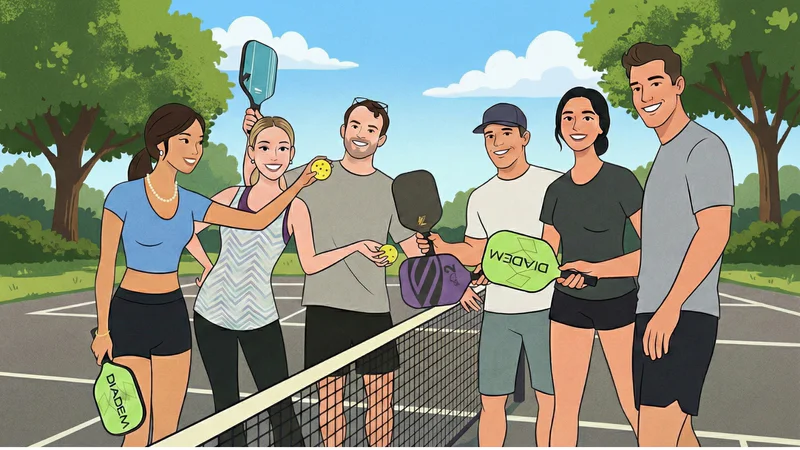
Group pickleball lessons provide affordable instruction with built-in social interaction and game-like practice scenarios. TeachMe.To connects students with 840+ certified instructors across 1,342 US cities, offering online booking and satisfaction guarantees. This guide covers lesson formats, pricing, equipment needs, and booking steps for all skill levels from beginners to advanced players.
What Are Group Pickleball Lessons?
Group sessions bring 3-6 players together with certified instructors for structured drills, gameplay, and skill development. The format emphasizes peer learning, doubles strategies, and community building at lower cost than private coaching.
Group vs Private Lessons
Private lessons cost $50-$100 per hour with personalized attention to specific improvement areas. Group sessions typically range $25-$75 per hour depending on instructor credentials and location, offering teamwork development and social interaction.
Many players combine formats: monthly private sessions for technique plus weekly group clinics for practice. Group drills simulate match scenarios with 3-6 participants, creating a lively atmosphere for peer learning.
Benefits of Group Sessions
Cost-effective structure splits instructor fees among participants, delivering better value per session than private lessons. The social environment fosters camaraderie, new friendships, and motivation through shared learning experiences.
Game-like conditions provide doubles coordination practice, communication skills, and real-scenario application. The group setting connects players of similar skill levels, building community and regular playing partnerships.
Typical Class Sizes
Small classes limited to 8 students maximum ensure personalized attention from instructors. Optimal group size of 3-6 players supports active participation and sufficient practice repetitions.
Smaller ratios allow instructors to provide individual feedback while maintaining group dynamics. Class size affects pricing, with larger groups offering lower per-person costs.
Types of Group Pickleball Classes
Group lessons segment by skill level (beginner, intermediate, advanced) and participant demographics (kids, seniors). Specialized formats include clinics, workshops, and multi-week programs tailored to specific learning objectives.
Beginner Group Lessons
Beginner sessions cover universal grip technique, forehand/backhand groundstrokes, volleys, and serving fundamentals. Classes include rules introduction, scoring systems, court positioning, and point play practice.
2-hour introductory sessions dedicate the final portion to supervised gameplay with scoring practice. Step-by-step progression moves through essential skills: serving, volleying, dinking, and positioning.
Intermediate/Advanced Group Sessions
Lower intermediate (3.0-3.5) focuses on consistency, strategy development, and shot control improvement. Advanced sessions (4.0+) emphasize tactical awareness, varying shot depth and pace, and competitive match strategies.
Progression from 3.5 to 4.0 level takes many players years of dedicated practice. These sessions assume you've mastered the basics and are ready to refine your competitive edge.
Clinics and Workshops
Specialized clinics cost $20-$50 per session, focusing on specific skills or strategic elements. Full-day intensive clinics range $100-$500 per person, providing comprehensive skill immersion.
3-hour clinic formats cover safety, stroke mechanics, rules, and etiquette for drop-in play readiness. Topic-specific workshops target elements like third-shot drops, dinking strategies, or serve returns.
Kids Pickleball Classes
Junior programs accept children ages 3-4 for introductions, with structured classes for ages 5-13. Youth curriculum covers fundamentals, footwork, point of contact, shot selection, and serving techniques.
Lessons emphasize communication skills, respect, sportsmanship, and positive social interaction. The sport added 1 million+ child participants under 18 from 2022-2023.
Senior Pickleball Programs
US Senior Pickleball promotes the sport for the 50+ age group through tournaments, resources, and community engagement. One-third of core players (8+ times yearly) are over 65, making 65+ the second-largest demographic.
Programs are designed for low-impact joint protection, with no overhead serves for shoulder-friendly play. 1-hour sessions three times weekly improve blood pressure, cholesterol, and cardiorespiratory fitness.
How Much Do Group Pickleball Lessons Cost?
Group lesson pricing varies by location, instructor credentials, session length, and participant count. Pricing typically ranges from budget-friendly community center options to premium certified instructors.
Average Pricing by Format
Community centers and recreation facilities often offer the most affordable group lessons at $10-$30 per person per hour. Certified instructors on platforms like TeachMe.To typically charge $30-$60 per person for small group sessions, reflecting their credentials and personalized attention even in group settings.
Sure Shot Pickleball charges $37-$50 for 60-minute sessions with 3-4 people and an instructor. Clinics and workshops run $20-$50 per session for focused skills, $100-$500 for full-day intensives.
Package Deals and Discounts
Multi-lesson packages provide 15-20% discounts through deals like "buy 5, get 6th free." TeachMe.To offers dynamic packages for first-time students with participating instructors.
The satisfaction guarantee allows switching coaches if your first lesson doesn't meet expectations. Seasonal promotions and membership discounts are available at community centers and recreation facilities.
What Affects Pricing
Instructor certifications (PPR, IPTPA, PCI) and years of coaching experience increase rates. Geographic location influences costs, with urban areas typically charging higher rates than rural regions.
Session length (1-hour vs 2-hour vs full-day) and frequency (single vs multi-week series) affect total investment. Facility type impacts pricing: private clubs and certified instructors charge more than public parks or community centers.
What to Expect from Group Coaching
Structured sessions combine warm-ups, technique instruction, drills, strategy application, and supervised gameplay. Professional instructors provide group guidance plus individual feedback within a collaborative learning environment.
Typical Session Structure
Classes include conditioning warm-up, technique introduction, strategy games, practice gameplay, and cool-down. Beginners practice paddle and ball handling before progressing to full game participation.
2-hour sessions allocate time for skill drills, rule explanations, and supervised point play. Instructors rotate participants through stations or partners to maximize repetitions and variety.
Skills You'll Learn
Fundamental techniques include proper grip, forehand/backhand groundstrokes, volleys, serves, and dinking. Strategic elements cover court positioning, doubles communication, shot selection, and third-shot drops.
Game mechanics include scoring systems, service rotation, fault rules, and non-volley zone regulations. Advanced concepts add varying shot depth and pace, anticipation, and match tactics for competitive play.
Progression Timeline
Complete beginners learn basic play within 15 minutes, grasping rules after 10-20 minutes. Students are ready for recreational play with friends after 1-2 coaching sessions.
Noticeable improvements appear within 3-6 months of consistent weekly practice. Competency on court (mastering serves, dinks, drops, positioning) takes 6-12 months of regular play.
Equipment Needed for Group Lessons
Essential gear includes a paddle, balls, and court shoes. Many beginner programs provide equipment for trial before you commit to purchasing your own.
Paddles for Beginners
Lightweight paddles with large sweet spots offer better control and forgiveness for off-center hits. Entry-level control paddles help beginners learn fundamentals before determining power needs.
Wider paddles provide a larger sweet spot beneficial for new players, while longer paddles add reach and power. Ask your instructor for recommendations based on your playing style.
Balls and Court Shoes
Basic indoor or outdoor pickleballs (similar to wiffle balls) are suitable for learning. Court shoes designed for lateral movements provide necessary support and traction.
Regular tennis shoes are acceptable for beginners, with specialized pickleball shoes optional initially. Many group lessons provide balls, so confirm equipment policy when booking sessions.
Clothing and Accessories
Athletic clothing allowing easy movement in breathable fabrics (cotton or moisture-wicking synthetics) works best. Choose garments supporting side-to-side, forward-back movement with bent knees.
Comfortable attire is prioritized over specialized pickleball apparel for beginners. Bring water and a towel for longer sessions.
Understanding Pickleball Skill Levels
USA Pickleball established a rating system from 1.0 (beginner) to 6.0+ (professional) in 2005. Ratings group players by ability based on shot execution consistency and strategic application knowledge.
Beginner Levels (1.0-2.5)
1.0 players are new with minimal game knowledge and limited experience. 2.0-2.5 players sustain short rallies with equal-ability players and demonstrate basic scoring ability.
Rating 3.0 and below is generally classified as beginner pickleball. Beginners don't know score-keeping or proper court positioning initially.
Intermediate Levels (3.0-4.0)
Lower intermediate (3.0-3.5) shows improving strategy and shot control. Players with no racket sport experience reach 3.5 level after 6-10 months of regular play and drilling.
Advanced intermediate (4.0) demonstrates strong tactical awareness and execution. Progression from 3.5 to 4.0 takes many players multiple years of dedicated practice.
How Levels Affect Group Placement
Group lessons organize participants by similar skill levels for competitive, enjoyable matches. Beginner groups focus on rules and fundamentals while intermediate groups emphasize strategy and consistency.
Proper level placement ensures appropriate challenge without overwhelming or boring participants. Instructors may assess skill level through brief evaluation before assigning group placement.
How to Find Group Pickleball Lessons Near You
Multiple search methods exist: online platforms, local facility inquiries, word-of-mouth recommendations, and instructor directories. Each approach has distinct advantages depending on your location and preferences.
Using Online Booking Platforms
Platforms like TeachMe.To offer searchable instructor databases with filters for location, skill level, availability, and credentials. Over 80% of Americans live within a 20-minute drive of an instructor listed on major platforms.
Online booking systems streamline scheduling and payment while providing transparent pricing and reviews. Look for platforms offering satisfaction guarantees or trial lesson promotions for first-time students.
Other Online Resources
Pickleheads partnered with TeachMe.To for instructor directory access across the United States. Professional Pickleball Registry (PPR) and Pickleball Coaching International (PCI) maintain certified instructor directories.
Google search for "pickleball lessons near me" surfaces local instructor websites. Check multiple sources to compare options and pricing.
Local Facilities and Community Centers
Contact local pickleball facilities directly, as not all instructors list services online. Community centers and recreation departments offer group lessons at reasonable rates, making them accessible for beginners.
Local parks, YMCAs, and community centers often provide courts plus beginner-friendly clinics. Word-of-mouth recommendations at courts provide trusted instructor referrals from players who've experienced the teaching firsthand.
What to Look for in Instructors
Certifications from PPR, IPTPA, or PCI indicate proven teaching skills and methodology training. Years of coaching experience and player ratings demonstrate expertise level.
Read reviews and seek recommendations from other players for success history validation. Verify curriculum covers essential skills and strategies relevant to your current skill level.
How to Book Group Pickleball Lessons on TeachMe.To
TeachMe.To streamlines discovery, scheduling, and payment through a single platform interface. The platform delivered 61,312 lessons in the last year with a 4.8 TrustScore from 601 Trustpilot reviews.
Step 1: Search for Instructors
Enter your location to view nearby certified instructors with availability. Filter results by credentials, ratings, specializations, pricing, and schedule.
Review instructor profiles including experience, certifications, teaching philosophy, and student testimonials. The platform serves golf, tennis, and pickleball with a focus on connecting students to local instructors.
Step 2: Compare Options
Evaluate instructor certifications (PPR, IPTPA, PCI) and years of coaching experience. Compare pricing structures, package deals, and first-lesson promotions across multiple instructors.
Check availability alignment with your schedule preferences and commitment capacity. Read student reviews for teaching style, communication, and results effectiveness insights.
Step 3: Schedule Your First Lesson
Select your preferred instructor and available time slot through the online booking calendar. Choose lesson format (group vs private), duration, and location preferences.
Complete payment securely through the platform's integrated processing system. Receive confirmation with session details, location, instructor contact, and preparation instructions.
Step 4: Prepare for Your Session
Confirm equipment policy: whether the facility provides paddles and balls or students bring their own. Arrive 10-15 minutes early for introductions, facility orientation, and warm-up preparation.
Wear appropriate athletic clothing and court shoes for movement and comfort. Bring water, a towel, and a positive attitude ready for learning and social interaction.
Group Lessons for Special Populations
Specialized programming addresses unique needs of children, seniors, and adaptive athletes. Age-appropriate instruction methods and modified formats maximize accessibility and enjoyment.
Kids and Youth Programs
Programs accept children ages 3-4 for introductions, with structured classes for ages 5-13. Youth clinics (ages 7-16) are available at community facilities nationwide.
Curriculum emphasizes fundamentals, footwork, and shot selection through interactive drills. Instruction includes communication skills, respect, sportsmanship, and life lessons that extend beyond the court.
Senior-Specific Classes
Programs designed for the 50+ age group operate through the US Senior Pickleball network. Low-impact format protects joints and eliminates overhead serves for shoulder-friendly play.
Social benefits combat loneliness through community building, tournaments, potlucks, and travel events. Health improvements include blood pressure, cholesterol, and cardiorespiratory fitness with 3x weekly play.
Find a Pickleball Coach Near You
Ready to get started? Browse local pickleball coaches and book your first lesson:
Los Angeles · San Diego · Las Vegas · Houston · Dallas · Toronto · Salt Lake City · See all cities →
Frequently Asked Questions
How much do group pickleball lessons cost?
Pricing varies significantly by instructor credentials and facility type. Community centers and recreation departments typically charge $10-$30 per person per hour, while certified instructors on platforms like TeachMe.To generally charge $30-$60 per person for small group sessions.
Clinics cost $20-$50 per session while full-day intensives range $100-$500 per person. Package deals and multi-lesson discounts provide 15-20% savings opportunities.
How long does it take to learn pickleball?
Basic play is learned within 15 minutes, with rules grasped after 10-20 minutes of practice. Beginners are ready for recreational play with friends after 1-2 coaching sessions.
Noticeable improvements come within 3-6 months of consistent weekly practice. Court competency (mastering fundamentals) requires 6-12 months of regular play.
What equipment do I need?
Essential gear includes a pickleball paddle, balls, and court shoes with lateral support. Many beginner programs provide equipment for trial before personal investment.
Lightweight paddles with large sweet spots are recommended for new players. Athletic clothing in breathable fabrics is sufficient, with specialized apparel optional.
Can beginners join group lessons?
Group lessons are available for all skill levels from complete beginners (1.0-2.0) to advanced (4.0+). Beginner groups cover rules, fundamentals, and basic techniques in a supportive environment.
Instructors group participants by similar abilities for appropriate challenge level. No prior experience is required, and many facilities offer "Introduction to Pickleball" sessions.
What's the difference between clinics and regular lessons?
Regular group lessons provide ongoing weekly instruction with consistent curriculum progression. Clinics offer topic-specific workshops ($20-$50) focusing on particular skills or strategies.
Full-day clinics ($100-$500) provide intensive immersion in multiple skill areas. Workshops target specific elements like dinking, serve returns, or third-shot drops.
Are group lessons good for seniors?
Pickleball is gentle on joints, low-impact compared to tennis, and requires no overhead serves. 1-hour sessions 3x weekly improve blood pressure, cholesterol, and fitness levels.
One-third of core players (8+ times yearly) are over age 65. Social interaction combats loneliness through community building and friendship development.
How do I know my skill level?
USA Pickleball rating system scales 1.0 (beginner) to 6.0+ (professional). Instructors assess through brief evaluation of shot consistency and strategic knowledge.
Self-assessment based on experience, shot execution, and game understanding is available online. DUPR ratings provide objective measurement through match results tracking.
What if I don't like my instructor?
Most platforms offer satisfaction guarantees allowing instructor switches after the first lesson. They'll help match with an alternative coach if the initial session doesn't meet expectations.
Many facilities allow trial classes before committing to multi-week packages. Read reviews and seek recommendations to increase the likelihood of a good instructor match.
Evaluating Online Booking Platforms
Online booking platforms simplify the process of finding and scheduling lessons, but they vary in instructor networks, features, and user experience. Understanding what to look for helps you choose the right tool for your needs.
Key Platform Features
Look for searchable databases with filters for location, skill level, credentials, and availability. Integrated payment processing and automated confirmations eliminate scheduling friction.
Review systems provide transparency about instructor quality and teaching style. Satisfaction guarantees or trial lesson offers reduce risk for first-time students.
TeachMe.To Platform Overview
TeachMe.To connects students with 840+ certified instructors across 1,342 US cities for golf, tennis, and pickleball. The platform delivered 61,312 lessons last year with a 4.8 TrustScore from 601 Trustpilot reviews.
Free First Lesson is available for first-time students with participating instructors. The satisfaction guarantee supports switching coaches if your first session doesn't fit expectations.
Instructor vetting includes certification verification (PPR, IPTPA, PCI credentials). Founded in 2022, the platform has grown to deliver 250+ lessons daily with media recognition from Business Insider, Wall Street Journal, CNBC, Fox, TechCrunch, and Fortune.
Comparing Your Options
Evaluate multiple platforms and local resources before committing. Some instructors maintain independent websites with direct booking, potentially offering more flexibility or lower rates.
Community centers and recreation departments may not appear on commercial platforms but often provide excellent value. Balance convenience of online booking with the potential benefits of local facility programs.
Group pickleball lessons offer an affordable, social path to skill development with professional instruction. Online platforms, local facilities, and instructor directories each provide distinct advantages for finding qualified coaches. Start with a trial lesson or introductory clinic to experience the format before committing to a multi-week package.