Guest post by Terence Daniels, PGA‑certified coach & TeachMe.To golf expert
If you’ve ever walked off the tee muttering, “It felt pure, but the ball fire‑drilled dead right,” congratulations, you’ve already lived this headline.
Here’s the uncomfortable (and liberating) truth:
Feel ain’t real.
At least, not when you’re learning something new.
That buttery takeaway you’re proud of? Probably too slow.
That “compact” top position? Still crossing the line like it owns a passport.
That “soft‑hands” pitch you swear is tour‑level touch? Chili‑dipped from 35 yards.
Most swing tips don’t flop because they’re bad ideas. They flop because your body is a teller of tall tales, and your brain is an A‑list fan who buys every ticket.
Feel vs. Real: The Science of the Swing Lie
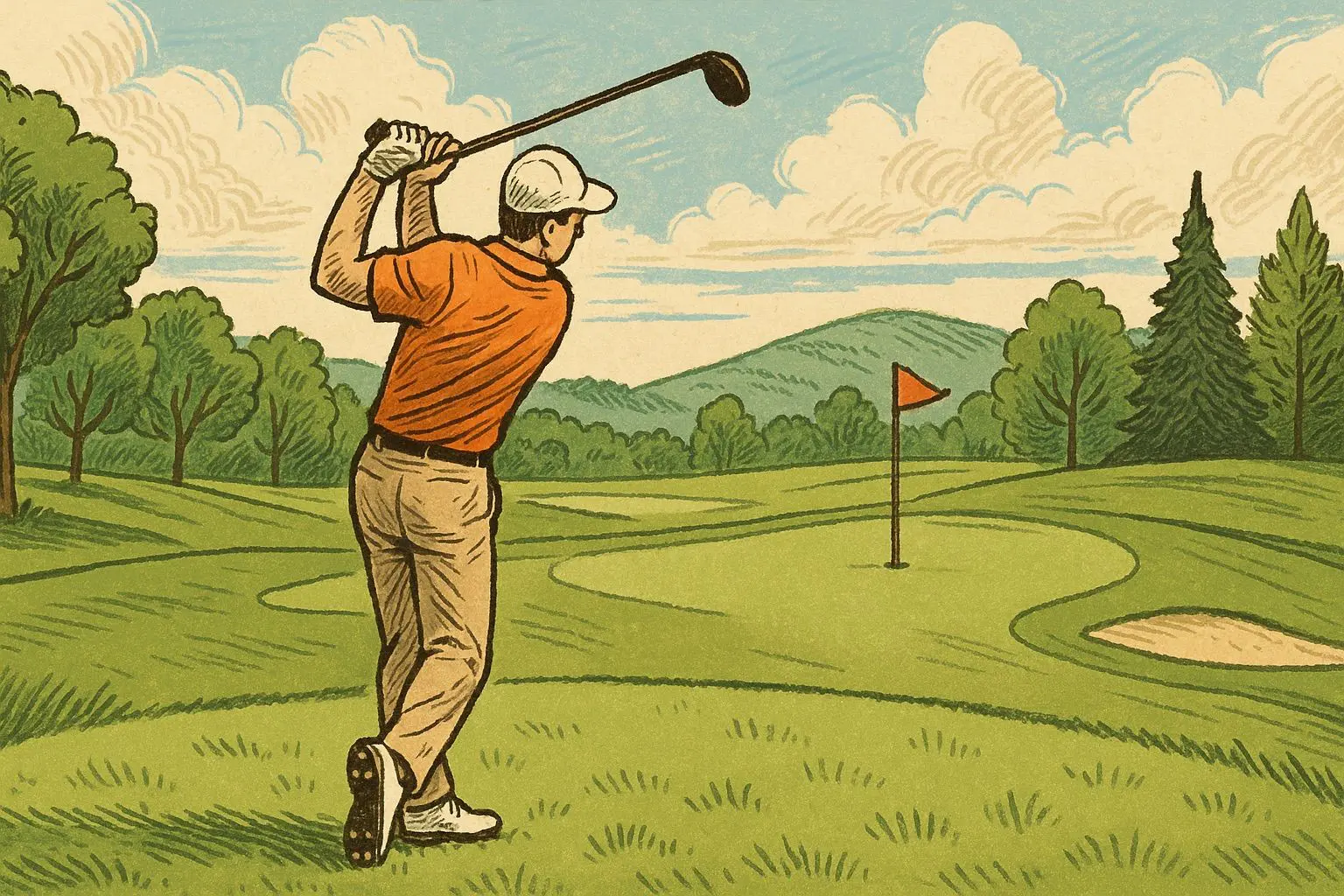
The disconnect between “what I felt” and “what actually happened” has a name: motor‑learning bias.
Your brain builds movement patterns through repetition, but its GPS, proprioception, your internal map of where your body is in space, is about as trustworthy as a $40 driver on Facebook Marketplace.
Worse? The better it feels, the more likely it is to be wrong. Why? Because when you’re trying to change an old habit, say, curing that over‑the‑top path, the correct motion can feel outrageously wrong. To the brain, new equals bad.
Why Most Swing Tips Fall Flat
We love swing tips because they’re quick, catchy, and easy to remember:
“Keep your head down.”
“Shift your weight.”
“Swing smoother.”
The trouble is, these are internal cues, instructions that focus on specific body parts. Sports‑science research shows that external cues (club path, ball flight, target) produce better performance and longer‑lasting results.
Translation: Your swing doesn’t learn by thinking about elbows and hips. It learns by reacting to outcomes and adjusting to feedback.
Chasing a good feel keeps golfers stuck. Chasing good feedback sets them free.
How Great Coaches Bridge the Gap

Elite coaches don’t toss a swing thought and stroll to the next stall. They build a bridge between feel and function, and then walk you over it.
They use:
Constraints that force the correct motion.
External cues that shift focus to ball flight and club path.
Exaggeration drills that make the right move feel unmistakably different.
Feedback loops (video, launch monitor, impact spray) so you can see reality, not imagine it.
A great cue might feel bizarre. That’s okay. The goal isn’t to make your swing feel normal. It’s to make your new normal hold up when the palms get sweaty on the 18th tee.
Your 5‑Minute Drill: Turn Feel Into Feedback
Ready to test the theory this week? Do this:
Film your swing. No excuses, your phone shoots at 240 fps.
Plant an alignment stick five paces ahead of you, a few yards to the right of you.
Intent: Start the ball right off the stick and draw it back.
If it starts over the stick, you’re on track. If not? Your swing feelings just got exposed.
Visuals > vibes. Let feedback sculpt the feel, not the other way around.
The Bottom Line
Feel isn’t real until you validate it with objective feedback, relentless repetition, and a dash of trust during that awkward, in‑between phase where change feels broken.
That’s how real playersgetbetter.
Ready to make real progress?
Book a lesson with me on TeachMe. Let’s convert guesswork into guaranteed gains.
Want more no‑BS golf insight from Terence? Join The Cactus Club newsletter and get weekly swing‑building tips straight to your inbox. Subscribe here.