Finding a qualified baseball coach shouldn't feel like a guessing game. Whether you're a parent seeking instruction for your child or an adult wanting to learn the sport, the right coach makes the difference between developing proper mechanics and reinforcing bad habits that take years to unlearn.
TeachMe.To connects learners with verified baseball instructors in their area, eliminating the uncertainty that comes with scrolling through social media posts or relying on word-of-mouth recommendations. The platform vets coaches, displays transparent pricing, and provides real student reviews so you can make informed decisions about your baseball training.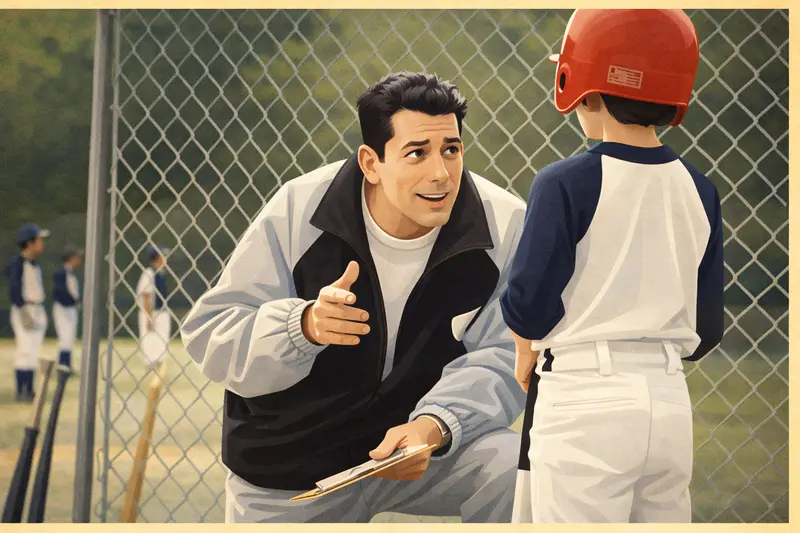
How to Find the Best Baseball Coach Near You
The search for a baseball coach typically starts with a Google query and ends with confusion. You'll find Facebook posts from high school players offering lessons, facility websites with outdated contact information, and coaches whose credentials remain mysteriously vague.
TeachMe.To simplifies this process by aggregating verified instructors in one searchable marketplace. You can filter by location, specialty (hitting, pitching, position-specific training), experience level, and price range without opening fifteen browser tabs.
What Makes a Great Baseball Coach
Experience playing baseball doesn't automatically translate to effective teaching. The best coaches combine playing knowledge with age-appropriate instruction methods and genuine enthusiasm for player development.
Look for trainers with experience teaching players in the same age group as your child. A coach who excels with high school athletes may struggle to maintain the attention of seven-year-olds. Conversely, someone skilled at making T-ball fun might lack the technical depth needed for advanced swing mechanics.
Communication style matters as much as credentials. The right coach should provide constructive feedback and create a motivating, supportive environment rather than relying on criticism or outdated "tough love" approaches. Meet potential coaches in person when possible to assess whether their teaching philosophy aligns with your learning style.
Continued education separates good coaches from great ones. Reputable trainers keep their skills updated by attending seminars and coaching clinics, staying current with evolving training methods and biomechanics research.
Coaching Qualifications and Certifications to Look For
USA Baseball offers a free certification program that provides baseline coaching education. While not mandatory, this credential signals a coach's commitment to structured instruction principles.
A pitching coach should have deep knowledge of biomechanics, sports psychology, and training techniques. Certifications in first aid add another layer of credibility, particularly for youth instruction. Playing or coaching experience at the collegiate or professional level enhances a coach's understanding of advanced techniques, though it shouldn't be the only factor in your decision.
Position-specific expertise matters more than general baseball knowledge when you're seeking targeted improvement. A great coach identifies a player's specialty and mechanics as a hitter, infielder, pitcher, catcher, or outfielder because each position has unique mechanical requirements.
Questions to Ask Before Booking Your First Lesson
Start by clarifying the coach's specialty focus. Some instructors excel at hitting mechanics while others concentrate on pitching or defensive skills. Asking about their teaching philosophy reveals whether they prioritize immediate results or long-term development.
Inquire about availability and scheduling flexibility. Consistent weekly lessons produce better results than sporadic sessions, so ensure the coach's schedule aligns with yours before committing.
Ask whether they offer trial lessons or initial assessments. Your coach should discuss how baseball is going and identify anything that needs specific work during this first session, giving you insight into their evaluation process.
How TeachMe.To Verifies Baseball Instructors
TeachMe.To reviews coaching credentials, playing history, and teaching experience before approving instructors on the platform. Background checks provide additional security for parents booking lessons for their children.
The platform's review system allows students to share honest feedback about teaching effectiveness, reliability, and results achieved. These verified reviews give you real insight into what working with each coach actually looks like, beyond what's listed in their profile.
Baseball Lesson Pricing: What to Expect
Lesson costs vary based on coach experience, geographic location, and session duration. Understanding these factors helps you budget appropriately and identify fair pricing in your area.
Average Cost of Private Baseball Lessons
Private baseball lessons cost $50 to $75 for a 30-minute lesson or $80 to $140 for a 1-hour lesson, depending on your location and the coach's experience and reputation. Urban areas with higher costs of living typically command premium rates.
Coach experience level significantly impacts pricing. Entry-level coaches, like high school or college players, often charge $30-$50 per hour. Experienced coaches with collegiate coaching backgrounds typically charge $50-$80 per session. Former professional players or those with advanced certifications frequently start at $90 and may exceed $100 per session.
Lessons designed for high school and middle school youth typically cost more than lessons for younger kids because advanced skill development requires deeper technical knowledge.
Group vs. Semi-Private Lesson Costs
Group sessions can reduce costs to $30-$60 per athlete per lesson, making them attractive for families on a budget. The tradeoff is less individual attention and feedback compared to private instruction.
Semi-private lessons typically cost 10% to 20% less than private lessons. These partner sessions with 2-4 players balance individual attention with cost savings, offering a middle ground between group and private formats.
Package Deals and Discounts
Purchasing a package of 6 or 10 lessons reduces the per-lesson price. Most instructors on TeachMe.To offer package deals that save 10-20% compared to booking individual sessions.
These packages make sense when you've found a coach whose teaching style works for you. Committing to multiple sessions upfront also encourages consistency, which drives faster improvement.
Hidden Costs to Consider
If you're renting a facility, expect to add $30-$60 per lesson for facility use. Some coaches include facility access in their rates, while others pass this cost directly to students.
Video analysis can cost up to $50 more per session. Some instructors include this feature as part of their standard lesson price, while others charge separately. Video feedback helps players visualize mechanical adjustments, making it a worthwhile investment for serious students.
Equipment requirements vary by lesson type. Most coaches expect students to bring their own glove and bat, though facilities typically provide balls and protective gear.
Private vs. Group Baseball Lessons: Which is Right for You?
The choice between private and group instruction depends on your goals, budget, and learning preferences. Each format offers distinct advantages.
Benefits of Private Baseball Coaching
One-on-one instruction allows athletes to break down mechanics, refine techniques, and get immediate feedback. This focused attention accelerates skill development by addressing specific weaknesses rather than covering general concepts.
Every player has unique strengths and weaknesses, and private lessons allow coaches to customize drills and techniques to suit individual needs. A hitter struggling with inside pitches receives different instruction than one who can't catch up to fastballs.
Children who receive private baseball lessons are usually more likely to advance to playing at higher levels than those who only receive group coaching during team practice. The personalized attention fills gaps that team practices can't address.
When Group Lessons Make Sense
Group settings provide social interaction and peer learning opportunities that private lessons lack. Younger players benefit from watching teammates attempt the same skills, learning from both successes and mistakes.
Group lessons offer the benefit of watching and listening to others as they receive instruction. This observation time reinforces concepts without the pressure of constant performance.
Budget-conscious families find group lessons more sustainable long-term. Spending $40 per week on group instruction beats skipping lessons entirely because private rates strain your budget.
Semi-Private Lessons: The Middle Ground
Semi-private sessions with 2-4 players combine the personalized attention of private lessons with the cost savings and peer learning of group formats. Players rotate through drills, receiving individual feedback while observing their training partners.
This format works particularly well for siblings or teammates at similar skill levels. The shared cost makes regular instruction more affordable while maintaining enough individual attention to address specific mechanical issues.
Baseball Lessons for Beginners: What to Expect
First-time players and their parents often feel uncertain about what happens during baseball lessons. Understanding the typical structure helps set realistic expectations.
Fundamental Skills Covered in Beginner Lessons
Throughout basic skills lessons, you'll work on hitting, fielding ground balls and flyballs, catching the baseball, and throwing fundamentals. These core areas form the foundation for all advanced skills.
Coaches teach the proper grip and stance for optimal bat control and balance. Beginners learn hand positioning on the bat and adopt a stance that sets them up for success at the plate. Proper swing mechanics, including the sequence of movements and importance of weight transfer, come next.
Throwing mechanics receive equal attention. Coaches demonstrate proper arm motion, footwork, and follow-through to prevent injury and maximize velocity.
Typical First Lesson Structure
Arrive a few minutes early to start stretching, then your coach will discuss how baseball is going and identify anything that needs specific work. First-time lessons typically go through a three-part workout covering hitting, throwing, and fielding fundamentals.
Participants spend time hitting off a batting tee to work on technique and develop muscle memory. Tee work allows beginners to focus on swing mechanics without the added challenge of timing pitches. Coaches may implement soft toss drills, where balls are tossed underhand to simulate live pitching situations.
Sessions typically last anywhere from one to two hours, though shorter 30-45 minute sessions work better for younger children with limited attention spans.
Best Age to Start Baseball Lessons
Children can begin baseball activities as young as five, though the focus should remain on fun and basic fundamentals. At ages 5-7, the number one thing to tell your kids is to swing hard. Keeping things simple at this age prevents frustration.
Baseball instructors generally recommend that children start pitching lessons at around 8 to 12 years old. Learning fundamental pitching skills early helps your child avoid developing bad habits that become difficult to break later. However, children shouldn't start pitching lessons until they're comfortable throwing and catching the ball one-handed.
Ages 8-12 represent the ideal window for developing proper mechanics across all skills. Players in this age range can understand technical instruction while remaining physically adaptable.
Choosing Lesson Duration for Young Players
Even just thirty minutes of focused practice on what your child needs to improve upon is enough to make a huge difference. This shorter duration can cut the price in half while maintaining effectiveness for younger players.
For younger kids (ages 6-10), aim for 60-75 minutes. Their attention spans are shorter, and they'll get more out of a focused hour than a long session where they start to lose interest.
Older players (ages 11 and up) can handle 60-90 minute sessions that allow time for comprehensive skill work across multiple areas.
Specialized Baseball Training Options
Position-specific and skill-focused lessons address particular aspects of the game that team practices often overlook.
Baseball Hitting Lessons
Dedicated batting instruction focuses exclusively on swing mechanics, timing, and plate approach development. Hitting coaches analyze your swing path, weight transfer, and bat speed to identify specific adjustments.
These lessons typically incorporate video analysis to help players visualize mechanical changes. Seeing yourself on camera reveals issues that feel correct in real-time but actually compromise power or consistency.
Baseball Pitching Coach Services
Pitching-specific training should start between ages 8-12, covering proper mechanics and arm health fundamentals. Pitching coaches teach delivery mechanics, pitch grips, and arm care routines that prevent injury.
Advanced pitching instruction includes pitch sequencing, reading hitters, and mental game development. These higher-level concepts become relevant once basic mechanics are solid.
Position-Specific Coaching
Catcher, infield, and outfield specialists offer unique mechanical training for each position's requirements. Catchers need instruction on receiving, blocking, and throwing mechanics that differ entirely from outfield routes and throwing angles.
Position-specific coaches understand the nuances that general baseball instructors might miss. A catching specialist knows how to teach proper thumb positioning for framing pitches, while an infield coach focuses on footwork patterns for different types of ground balls.
How Long Does It Take to Improve Your Baseball Skills?
Parents and players want to know when they'll see results from their investment in lessons. The answer depends on several factors.
Timeline for Noticeable Progress
With consistent practice 4-5 days a week, most players see noticeable improvement in 2-3 months. This timeline assumes quality instruction combined with deliberate practice between lessons.
Professional-level skills take years to develop. Setting realistic expectations prevents frustration when overnight transformation doesn't occur.
Factors That Affect Improvement Speed
Starting skill level significantly impacts how quickly you progress. Complete beginners see dramatic improvement in their first few months as they learn basic mechanics. Advanced players making subtle adjustments may need longer to see measurable results.
Practice consistency between lessons determines whether skills stick or fade. When you combine talent, desire, and proper instruction, good results will follow, but lessons alone without repetition yield minimal progress.
Quality of instruction matters more than quantity of time spent practicing. Reinforcing incorrect mechanics for hours each week moves you backward, not forward.
Maximizing Results Between Lessons
Home practice reinforcing lesson concepts is critical for skill development. Your coach should provide specific drills to work on independently between sessions.
The year that my kid developed the most, we spent about 100 hours on practice and training. They played 56 games, maintaining a ratio of 1.78 hours of practice per game. This practice-to-game ratio accelerates improvement.
Recording yourself practicing helps identify whether you're executing techniques correctly without a coach present. Compare your practice videos to what your coach demonstrated during lessons.
Youth Baseball Lessons: Age-Specific Guidance
Different age groups require different approaches to baseball instruction. Tailoring lesson content to developmental stages produces better results.
Baseball Lessons for Kids Ages 5-8
Focus on enjoyment and basic catching, throwing, and swinging fundamentals. At this age, it's critical to keep things simple. Complicated technical instruction overwhelms young players and diminishes their love for the game.
Practice durations of 45-60 minutes work best for this age group. Shorter sessions maintain engagement and prevent fatigue.
Games and fun drills should dominate lesson content. Skill development happens through play at this age, not through repetitive mechanical work.
Baseball Training for Ages 9-12
This represents the prime age for developing proper mechanics and avoiding bad habits. Players in this range can understand technical instruction and have the body control to implement adjustments.
Learning fundamental pitching skills early helps your child avoid developing bad habits that will be difficult to break later. The same principle applies to hitting, fielding, and throwing mechanics.
Practice time tolerance increases for this age group. Sessions of 1 hour to 1 hour 30 minutes allow comprehensive skill work without overwhelming young athletes.
Teen Baseball Coaching (13+)
Advanced skill refinement, competitive preparation, and higher-level technique work become focus areas for teenage players. Lessons at this level often address specific weaknesses holding players back from making varsity teams or attracting college recruiters.
Mental game development gains importance. Teenage players benefit from instruction on handling pressure, maintaining confidence through slumps, and developing pre-pitch routines.
Physical conditioning and strength training complement technical instruction at this age. Coaches may recommend supplemental training to increase bat speed, throwing velocity, or running speed.
Finding Baseball Coaches on TeachMe.To
TeachMe.To streamlines the process of finding, evaluating, and booking qualified baseball instructors in your area.
Search by Location and Specialty
Filter instructors by zip code to find coaches within a reasonable driving distance. Additional filters for position specialty, experience level, availability, and hourly rate ranges help narrow results to coaches who match your specific needs.
The platform displays each coach's areas of expertise, whether that's hitting, pitching, catching, or general skill development. This transparency prevents wasting time contacting coaches who don't specialize in what you need.
Read Reviews from Real Students
Verified student reviews provide insight into teaching style, reliability, and results achieved. These reviews come from actual platform users, not anonymous internet commenters or potentially fake testimonials.
Look for patterns in reviews rather than focusing on individual comments. Multiple students mentioning a coach's patience with beginners or effectiveness at fixing specific mechanical issues gives you reliable information about what to expect.
Compare Pricing and Availability
Transparent pricing display enables easy comparison across multiple qualified local instructors simultaneously. You can see exactly what each coach charges for different lesson durations without sending inquiry emails and waiting for responses.
Availability calendars show open time slots, making it easy to find coaches whose schedules align with yours. This feature eliminates the back-and-forth communication typically required to schedule lessons.
Book and Pay Securely Online
The integrated scheduling and payment system protects both students and instructors. You can book lessons, make payments, and manage your schedule from a single dashboard without juggling multiple communication channels.
Payment protection ensures you're not charged for lessons that don't occur, while instructors receive guaranteed payment for their time. This security benefits everyone involved.
Frequently Asked Questions
How much do baseball lessons cost near me?
Expect to pay $50-$140 per session depending on duration (30 minutes vs. 60 minutes), coach experience level, and your geographic cost of living. Urban areas typically charge more than rural locations.
Package deals reduce per-lesson costs by 10-20%, making them worthwhile once you've found a coach whose teaching style works for you.
Should I choose private or group lessons?
Choose private lessons for targeted skill work and rapid improvement on specific weaknesses. The personalized attention accelerates development by addressing your unique mechanical issues.
Select group lessons for budget savings and social learning opportunities. Younger beginners particularly benefit from the peer interaction and lower pressure environment.
What qualifications should a baseball coach have?
USA Baseball certification provides baseline coaching education, though it's not mandatory. Relevant playing or coaching experience demonstrates practical knowledge of the game.
Age-appropriate teaching background matters more than impressive playing credentials. A former professional player may lack the patience and communication skills needed to teach young children effectively.
How long until I see improvement?
With consistent practice 4-5 days a week, most players see noticeable improvement in 2-3 months. Professional-level skills require years of dedicated training.
Practice between lessons determines how quickly you progress. Lessons provide instruction, but repetition between sessions builds muscle memory.
What age should kids start baseball lessons?
Children can start anytime for basics and fun, but ages 8-12 represent the optimal window for mechanics training. Learning fundamental skills early helps avoid developing bad habits that become difficult to break later.
Ensure your child is motivated and genuinely interested rather than being pushed by parents. Forced lessons rarely produce positive results.
Are baseball lessons worth the investment?
Lessons are worthwhile when a player is genuinely motivated to improve and practices between sessions. They supplement but don't replace team play and regular practice.
Children who receive private baseball lessons are usually more likely to advance to playing at higher levels, though lessons don't guarantee advancement. Combine talent, desire, and proper instruction for best results.
Book Your First Baseball Lesson Today
Finding qualified baseball instruction doesn't require endless research and uncertainty. TeachMe.To connects you with verified coaches who have transparent pricing, real student reviews, and proven teaching experience.
Search by your location and specific needs to find instructors who match your goals, whether that's learning fundamentals, refining advanced mechanics, or preparing for competitive play. The platform's secure booking and payment system makes scheduling your first lesson straightforward.
Start your baseball development journey with a coach who understands your goals and has the credentials to help you achieve them.