Baseball Lessons Near Me: Complete Guide to Finding Quality Baseball Instruction in 2026
Finding the right baseball lessons can feel overwhelming when dozens of coaches, camps, and academies all claim to be the best. Whether your child just picked up a glove for the first time or you're a high schooler eyeing a college roster spot, this guide breaks down exactly how to find, evaluate, and budget for baseball instruction that actually produces results.
Baseball participation hit 15.6 million players across the U.S. in 2023, according to the Sports & Fitness Industry Association. That number keeps climbing. And as competition rises at every level, from Little League to varsity tryouts, the demand for quality baseball coaching has never been higher.
Here's everything you need to know before booking your first session.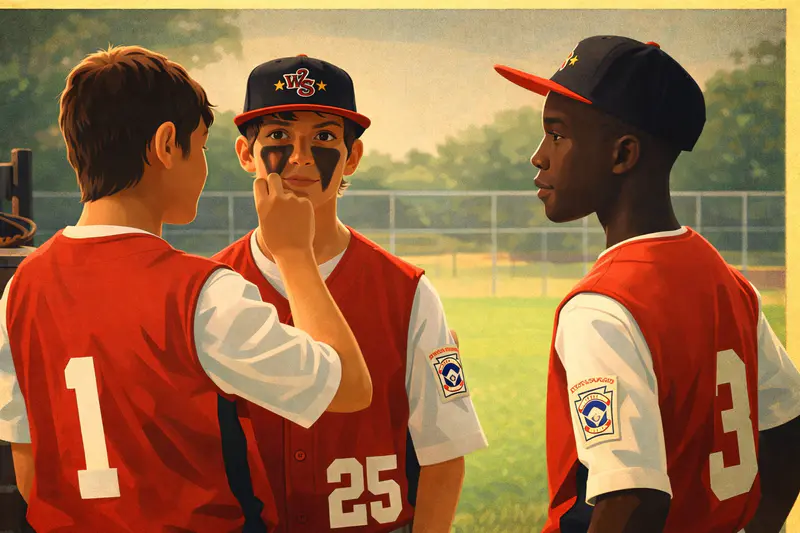
Types of Baseball Lessons: Private, Group, and Specialized Training
Not all baseball instruction looks the same. The format you choose should match your player's age, goals, and budget. Here's a side-by-side breakdown:
The right choice often changes as a player develops. Many families start with group lessons and shift toward private baseball lessons once specific weaknesses emerge.
Private One-on-One Baseball Instruction
Private lessons give coaches full freedom to tailor every drill to your child's exact needs. A coach isn't splitting attention between eight kids; they're watching one swing, correcting one throwing motion, diagnosing one specific flaw.
Typical hourly rates range from $40 to $100, depending on the instructor's background and your city. Expect to pay more in metro areas like Los Angeles, New York, or Houston. Coaches with college or professional playing experience typically charge on the higher end.
One-on-one baseball instruction works best for players who have a specific goal: fixing a hitch in their swing, learning a changeup, or preparing for showcase events. As we've covered in our guide on the power of one-on-one coaching, personalized attention accelerates improvement faster than any other format.
Group Baseball Lessons and Team Training
Group baseball lessons cost less per player and add a social element that keeps younger kids engaged. Most group sessions include 4 to 8 players, grouped by age and skill level.
The trade-off is obvious: less individual feedback. But for beginners learning fundamentals (throwing, catching, basic fielding), group settings actually work well. Kids learn by watching peers, and friendly competition pushes effort.
Team training sessions, where an entire roster works with an outside instructor, are another option. These typically run $150 to $300 per session and focus on team defense, baserunning, and situational play.
Specialized Skills Training (Pitching, Hitting, Fielding)
Once a player reaches age 11 or 12, general lessons often aren't enough. A kid who wants to pitch varsity needs pitching-specific baseball instruction. A player struggling at the plate needs dedicated hitting work with video analysis and mechanical adjustments.
Specialized training usually costs 10% to 20% more than general lessons because it requires expert knowledge and often specialized equipment (pitching tunnels, high-speed cameras, radar guns). But the investment pays off for serious players building position-specific skills.
How to Find Quality Baseball Lessons in Your Area
Searching "baseball lessons near me" returns a flood of results. Filtering those results down to coaches worth your time and money takes a more deliberate approach.
Online Search Strategies and Local Directories
Start with Google Maps. Search "baseball lessons" or "baseball training" plus your city name. Look at review counts (not just star ratings), and read the actual reviews for specifics about coaching quality, communication, and results.
Check facility websites directly. Many baseball academies post instructor bios, lesson pricing, and scheduling tools. If a website hasn't been updated in two years and lists no credentials, that's useful information.
Platforms like TeachMe.To make this search significantly easier by letting you browse local coaches, read verified reviews, compare pricing, and book directly. No phone tag. No guessing about availability.
Find a Baseball Coach Near You
Ready to get started? Browse local baseball coaches and book your first lesson.
Recommendations from Local Baseball Communities
Your best leads often come from other baseball families. Talk to parents at Little League games. Ask your child's school coach who they'd recommend for extra work. Stop by local batting cages and ask the staff who they see producing results.
High school coaches are particularly valuable sources. They see hundreds of players each year and know which local instructors build real fundamentals versus which ones just collect fees.
Evaluating Baseball Academies and Training Facilities
When visiting a facility, pay attention to these details:
Equipment condition: Are batting cage nets intact? Are pitching machines calibrated and maintained?
Safety standards: Is there adequate space between stations? Are helmets required in cages?
Instructor presence: Are coaches actively engaged, or standing on their phones?
Cleanliness: A well-maintained facility signals professionalism across the board.
Ask about instructor-to-student ratios for group sessions. Anything above 1:8 for players under 12 means your child isn't getting enough attention.
What Makes a Great Baseball Instructor
The gap between a mediocre baseball coach and a great one is enormous. Here's what separates the two.
A great instructor doesn't just know baseball. They know how to teach baseball to the specific person standing in front of them.
Playing Experience and Coaching Credentials
Playing experience matters, but not as much as you might think. A former minor league player who can't explain mechanics in kid-friendly language is less effective than a college player with five years of coaching experience and formal training certifications.
Look for instructors with certifications from organizations like USA Baseball, the American Baseball Coaches Association (ABCA), or Positive Coaching Alliance. These programs emphasize age-appropriate training methods and player safety.
Teaching Style and Communication Skills
Watch a lesson before committing. Does the instructor get down to eye level with younger kids? Do they demonstrate, not just describe? Can they explain the same concept three different ways until it clicks?
The best baseball coaches adapt their communication to each player's learning style. Some kids respond to visual cues ("watch my hands"). Others need kinesthetic prompts ("feel your back elbow stay tight"). This flexibility in teaching approach builds confidence in beginners more than any single drill ever will.
Safety Knowledge and First Aid Training
Any instructor working with youth players should have current CPR and first aid certification. Beyond emergency preparedness, great coaches understand arm care protocols, enforce proper warm-up routines, and never push a tired player through pain.
The American Sports Medicine Institute has published extensive guidelines on pitch counts and rest periods for young arms. Your coach should know these numbers cold.
Age-Appropriate Baseball Lessons: From Tee Ball to High School
Baseball training should look dramatically different for a 5-year-old than for a 14-year-old. Here's what to expect at each stage:
Ages 4–6: Introduction to Baseball Fundamentals
At this age, the goal is simple: make baseball fun. Period. Kids should practice hand-eye coordination through tee work, learn to throw and catch with soft balls, and run bases without worrying about rules.
Sessions should never exceed 45 minutes. Attention spans are short, and frustration sets in fast. A good instructor turns every drill into a game.
Ages 7–10: Skill Development and Game Understanding
This is where real baseball lessons begin. Players learn proper throwing mechanics (grip, arm slot, follow-through), develop a consistent batting stance, and start understanding fielding positions.
Coaches should introduce basic game concepts: force plays, cutoff throws, batting order strategy. But the primary focus remains repetition of fundamentals. A 9-year-old who can consistently throw to a target and make contact at the plate is ahead of most peers.
Ages 11–14: Advanced Technique and Strategy
Players in this age group are ready for position-specific baseball instruction. Pitchers learn secondary pitches (changeups are appropriate; curveballs require caution). Hitters work on pitch recognition and situational hitting. Infielders refine double-play footwork.
This is also when mental skills matter more. Handling failure (baseball is a game of failure; even elite hitters get out 70% of the time), staying focused during long games, and managing pressure situations all become part of quality coaching.
High School Ages: College Prep and Advanced Training
For players with college ambitions, lessons shift toward recruiting preparation. Coaches should help with showcase video creation, understanding NCAA eligibility rules, and building skill profiles that college scouts want to see.
Advanced baseball training at this level often integrates strength and conditioning, pitch design analytics (spin rate, movement profiles), and advanced performance tracking that mirrors what college programs use. The investment is real, but so are the stakes.
Baseball Lesson Costs: What to Expect and How to Budget
Understanding pricing helps you avoid overpaying and plan a realistic annual budget for your player's development.
Private Lesson Pricing by Region and Instructor Level
National averages for private baseball lessons sit between $50 and $80 per hour. But geography matters:
Major metros (NYC, LA, Chicago): $70–$100/hour
Mid-size cities (Nashville, Austin, Charlotte): $50–$75/hour
Smaller markets and rural areas: $40–$60/hour
Instructors with professional playing experience or NCAA Division I coaching backgrounds typically charge 20% to 40% more than the market average. That premium is justified when the coach's expertise directly matches your player's needs.
Group Lesson Economics and Multi-Session Packages
Group lessons run $20 to $40 per player per session. Most facilities offer package discounts: buy 8 sessions upfront and save 10% to 15%.
Family discounts are common when enrolling siblings. Ask about them; facilities don't always advertise these deals.
Additional Costs: Equipment, Facility Fees, and Tournament Prep
Beyond lesson fees, budget for:
Glove: $30–$200 (depending on age and quality)
Bat: $50–$350 (league regulations vary; confirm before buying)
Helmet: $25–$60
Cleats: $30–$80
Batting cage rentals for practice: $2–$4 per round
Annual costs for a player taking weekly private lessons with proper equipment can range from $2,500 to $5,000+. Families who choose between group and private formats strategically can keep that number closer to $1,500 to $2,500.
Essential Baseball Skills Covered in Quality Lessons
Every good baseball instruction program builds skills in a logical progression. Here's what that looks like.
Fundamental Hitting Mechanics and Batting Practice
Hitting instruction typically follows this sequence:
Stance and grip (feet, hands, balance point)
Tee work (isolated swing mechanics without timing pressure)
Soft toss (introducing timing and contact point)
Front toss and machine pitching (reaction training)
Live pitching (game-speed decision making)
A common mistake in youth baseball coaching is skipping steps. Kids want to jump straight to live pitching. Good instructors resist that urge and build a foundation first.
Pitching Basics and Arm Care for Young Players
The Pitch Smart guidelines from USA Baseball and MLB exist for a reason. Youth arm injuries are preventable when coaches follow age-appropriate pitch counts and rest requirements.
Players under 14 should focus on fastball and changeup only. Breaking pitches before the body is physically ready create unnecessary injury risk.
Quality pitching instruction covers grip, balanced delivery mechanics, consistent release point, and fielding the position after the pitch.
Fielding Positions and Defensive Fundamentals
Fielding gets less attention than hitting and pitching, but it wins games. Ground ball technique (stay low, field out front, use two hands) and throwing accuracy (footwork, arm slot consistency) form the base.
As players advance, they learn position-specific skills: catchers work on blocking and framing, outfielders practice drop-step reads and crow-hop throws, middle infielders develop double-play feeds.
Choosing Between Baseball Camps, Clinics, and Regular Lessons
These formats serve different purposes. The smartest families use a combination.
Summer Baseball Camps: Intensive Skill Development
Week-long baseball camps provide immersive training that weekly lessons can't replicate. Day camps typically run $200 to $500 per week. Overnight or showcase camps (especially those hosted by colleges) can cost $500 to $2,000+.
Camps are best for players who want concentrated reps, exposure to different coaching styles, and the social experience of training alongside peers. They complement regular lessons but don't replace them.
Skills Clinics and Seasonal Workshops
Clinics are shorter (typically 2 to 4 hours, one-time or short series) and focus on a single skill area. A "pitching mechanics clinic" or "pre-season hitting workshop" gives your player targeted work without a multi-day commitment.
These work well as pre-season tune-ups or as a way to sample an instructor before committing to ongoing lessons.
Red Flags: What to Avoid When Choosing Baseball Instruction
Not every coach or program deserves your money. Watch for these warning signs.
Inappropriate Training Methods for Young Players
Teaching curveballs to 10-year-olds
No warm-up or cool-down routines
Excessive throwing volume (ignoring pitch count guidelines)
Weighted ball programs for pre-pubescent players
Shaming or yelling as "motivation"
Any instructor who prioritizes performance over safety, especially with young arms, should be avoided immediately.
Unrealistic Promises and Guarantee Claims
Be skeptical of any coach who promises:
College scholarship placement
"Your child will make varsity as a freshman"
A specific skill improvement timeline (e.g., "add 10 mph to your fastball in 4 weeks")
That their program is the only one your child needs
Baseball development is nonlinear. Great coaches set honest expectations and communicate clearly about what progress looks like, not what parents want to hear. If you've ever read about how coaches help learners push through plateaus, you know that real growth takes patience and consistency, not magic shortcuts.
Getting Started: Your First Baseball Lesson Checklist
You've done the research. Here's how to take action.
Pre-Lesson Preparation and Goal Setting
Before the first session, sit down with your player and talk through what they want to improve. "Get better at baseball" isn't specific enough. "Learn to throw harder" or "stop striking out on curveballs" gives the coach a clear starting point.
Write down 2 to 3 specific goals. Share them with the instructor before the lesson begins. This simple step makes the first session 50% more productive because the coach doesn't have to spend 15 minutes figuring out what to work on.
Making the Most of Your Baseball Lesson Investment
A weekly lesson is one hour. Your child has 167 other hours that week. What happens between lessons determines how fast they improve.
Practice 15 to 20 minutes, 3 to 4 times per week between sessions
Ask the instructor for specific homework after each lesson
Keep a short progress journal noting what clicked and what felt difficult
Communicate with your coach if something isn't working or goals have shifted
Baseball development is a long game. The families who see the best results commit to consistent, patient effort over months and years, not miracle sessions.
Ready to find a qualified instructor near you? Browse local baseball coaches, read real reviews, compare pricing, and book your first lesson at TeachMe.To. Your player's next level starts with the right coach.